

 15 Nov 2024
Discover five effective methods to stop bleeding after a tooth extraction, ensuring a smoother and quicker recovery process.
Bleeding after a tooth extraction is common and expected, so there’s usually no need to be concerned. When a tooth is removed, the blood vessels in the surrounding gums and bone are disrupted, causing bleeding, which is part of the body’s natural healing process, as blood forms a clot over the socket to prevent further bleeding and initiate tissue repair. Typically, the bleeding will slow and stop within a few hours after the procedure, but most people experience mild bleeding for the first 24 hours.
However, some factors may cause prolonged bleeding and may require additional checks by your dentist. If the blood clot dislodges or doesn’t form properly, bleeding may continue and pose problems. This could happen due to vigorous rinsing, spitting, or sucking (e.g., through a straw or smoking), which is why all of these actions are advised against for at least the first few days after the extraction.
Other reasons for extended bleeding may include:
Additionally, if the extraction site involves a complex surgery, it may take longer for the blood vessels to fully seal. If bleeding persists beyond 24 hours or is heavy, it’s essential to consult a dentist or oral surgeon to rule out complications like a dry socket or infection. You should be able to call your dentist to get an emergency appointment in this case.

After a tooth extraction, it’s important to be cautious when eating and drinking to promote proper healing and avoid complications. Immediately following the procedure, the extraction site will be sensitive and prone to bleeding, so eating or drinking too soon, especially hot or cold items, can irritate the area, leading to increased discomfort or even disrupting the blood clot that forms over the wound. This clot is crucial for healing, as it helps to protect the underlying bone and tissue.
For the first 24 to 48 hours, you should avoid drinking through a straw, as the sucking motion can dislodge the clot and lead to a painful condition known as dry socket. Hard, crunchy, or chewy foods should also be avoided, as they may cause irritation or get lodged in the extraction site. Similarly, hot foods or drinks can increase blood flow and encourage more bleeding, while cold items may cause sharp pain or sensitivity.
Additionally, alcohol and caffeinated beverages should be avoided in the initial healing period, as they can interfere with blood clotting and dehydration. Sticking to soft, room-temperature foods like scrambled eggs, mashed potatoes, or smoothies, and drinking plenty of water will help ensure a smoother recovery and prevent complications.
To prevent further bleeding after a tooth extraction, it’s important to follow a few key guidelines that support healing and reduce the risk of complications. The most important thing is to follow your dentist’s instructions carefully, as they know your personal medical history, lifestyle and how difficult the procedure has been, so they can give you personalised advice on timelines for you to resume normal consumption and behaviours.
Eating well is crucial for recovery, although you need to be careful about what textures you are consuming to protect the blood clot. A balanced diet with plenty of vitamins and minerals supports the healing process, so soft, nutritious foods like mashed potatoes, soups, and smoothies are ideal for the first few days. Avoid hard, chewy, or crunchy foods, as they may irritate the extraction site or cause bleeding to resume.
Intense physical activity should be avoided for at least 24 to 48 hours, as exercise can increase blood pressure and potentially restart bleeding. Additionally, avoid alcohol and smoking for at least 5 days, although ideally one week, as both can interfere with clot formation and delay healing.
If bleeding persists, the following effective ways help the blood clot form, stopping the bleeding after your tooth extraction.
Stopping bleeding after a tooth extraction is crucial to ensure proper healing and prevent complications. Here are five effective ways to manage bleeding:
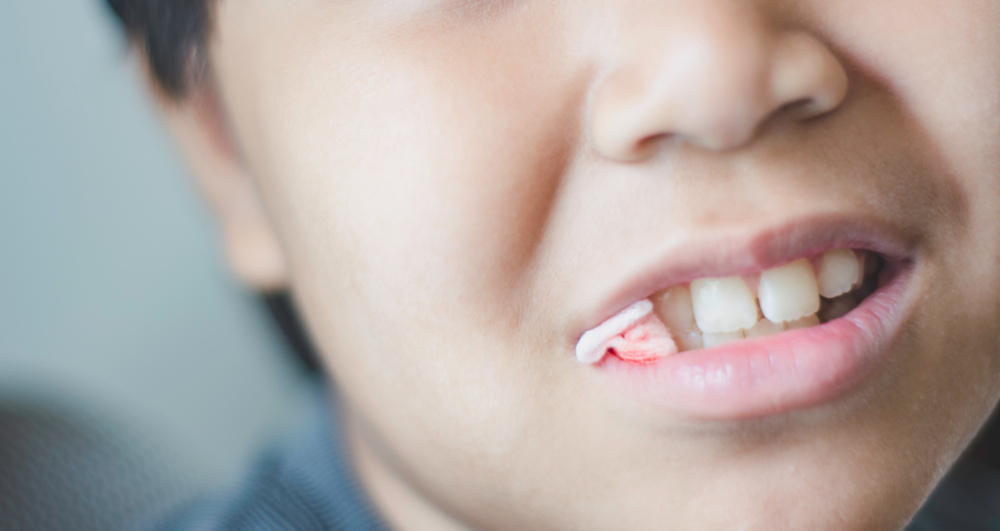
After the extraction, your dentist will typically place a sterile gauze pad over the extraction site. Bite down firmly but gently on the gauze to apply pressure, which helps form a blood clot. Keep it in place for about 30–45 minutes, replacing it if necessary until the bleeding stops.
Biting down on a gauze pad after a tooth extraction helps apply gentle pressure to the extraction site, promoting the formation of a blood clot. The pressure helps stop blood flow and encourages clot stability, making it one of the most effective ways to control bleeding in the first few hours following the procedure.
Your dentist may give you a second piece of gauze to take home to try again if the bleeding doesn’t stop after the first attempt.
Gently biting down on a tea bag after a tooth extraction can be effective because the tannins in the tea help constrict blood vessels, promoting clot formation and reducing bleeding. The pressure from biting down on the tea bag also helps to stabilise the clot, preventing it from dislodging.
This method is a natural, soothing alternative to gauze and can be especially helpful if you have run out of gauze.
Keeping your head elevated after a tooth extraction helps reduce blood flow to the extraction site, minimising the risk of prolonged bleeding. By elevating your head with pillows, you prevent excessive pressure in the area, which can cause more blood to pool and increase bleeding.
It may be tempting to lie flat after your procedure to rest, but keeping your head elevated is essential to stop the bleeding in the first few hours after the procedure.
Applying ice packs or a bag of frozen peas to the outside of your cheek after a tooth extraction helps reduce swelling and constrict blood vessels, which can minimise bleeding. Make sure the ice pack is wrapped in a cloth to prevent direct contact with your skin, which could cause frostbite or irritation.
Apply the cold pack intermittently, 15–20 minutes on and 15–20 minutes off, during the first few hours to manage both swelling and bleeding effectively. Prolonged use should be avoided, as excessive cold can hinder healing and cause discomfort.
If you are on blood thinners, your dentist may use hemostatic agents such as Gelfoam to help control bleeding after a tooth extraction. Gelfoam is a collagen-based sponge that promotes blood clotting by providing a scaffold for clot formation, helping to minimise bleeding during and after the procedure.
It is important to inform your dentist about any medications you are taking before the procedure, including blood thinners, so appropriate precautions can be taken to ensure safe and effective healing.
If bleeding continues beyond 24 hours or becomes excessive, contact your dentist for the best advice.
The specialists at the Eye and Dental Clinic can help with any of your dental woes, from cosmetic dentistry like veneers and teeth whitening to routine check-ups. Book an appointment today, or take a look at our emergency treatments if you need urgent help.
Contact us for more information, or read more information about our dental services, including:
You can also find out more about our clinic by reading our:


Discover how our advanced eye and dental treatments have helped patients see clearly, smile confidently, and live better with personalised care, comfort, and lasting results.
View More












Hemlata T
Had a deep clean today with Alla and Rachel, which was great, they were very gentle and even fixed a stubborn stain between my teeth, which they noticed during the...

Abs
Great service all around. Dr Uddin was knowledgeable, kind and put me at ease when having a chalazion removed. He helped me a lot with follow-up care for blepharitis, taking...
Amanda K
If I could give more than 5 stars for Mr J Uddin, I would. The reception staff were really polite and helpful. I had my chalazion removal surgery 2 months...
Nicole
Very satisfying. Dr J. Uddin removed a cyst on my upper lid. He explained everything to me before and during the procedure, and he has a very calming appearance. The...
Hemlata T
Had a deep clean today with Alla and Rachel, which was great, they were very gentle and even fixed a stubborn stain between my teeth, which they noticed during the...
Abs
Great service all around. Dr Uddin was knowledgeable, kind and put me at ease when having a chalazion removed. He helped me a lot with follow-up care for blepharitis, taking...
Amanda K
If I could give more than 5 stars for Mr J Uddin, I would. The reception staff were really polite and helpful. I had my chalazion removal surgery 2 months...
Nicole
Very satisfying. Dr J. Uddin removed a cyst on my upper lid. He explained everything to me before and during the procedure, and he has a very calming appearance. The...