


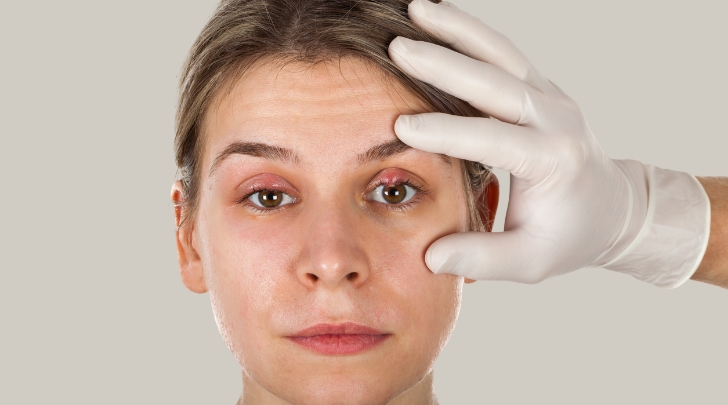
It can sometimes be alarming, but most of the time it’s painless and rarely needs treatment. It can often be treated from home if needed, doing a few simple things, or it will go away on its own without the need for treatment at all.
Your eyelids have tiny glands that produce an oily substance to help keep your eyes moist. When one of those glands gets blocked, a chalazion is formed, which is essentially a swollen, pain-free gland. A chalazion can also be the result of an infection; however, this is less common.
Don’t be alarmed if your chalazion is a little painful, particularly at the start, as this is normal. It shouldn’t be too painful, and it will subside as time goes on. Most of the time, a chalazion is a pain-free lump that is more annoying than anything else. It is most common in adults between 30 and 50 years old. Chalazions aren’t very common in children, but they can happen.


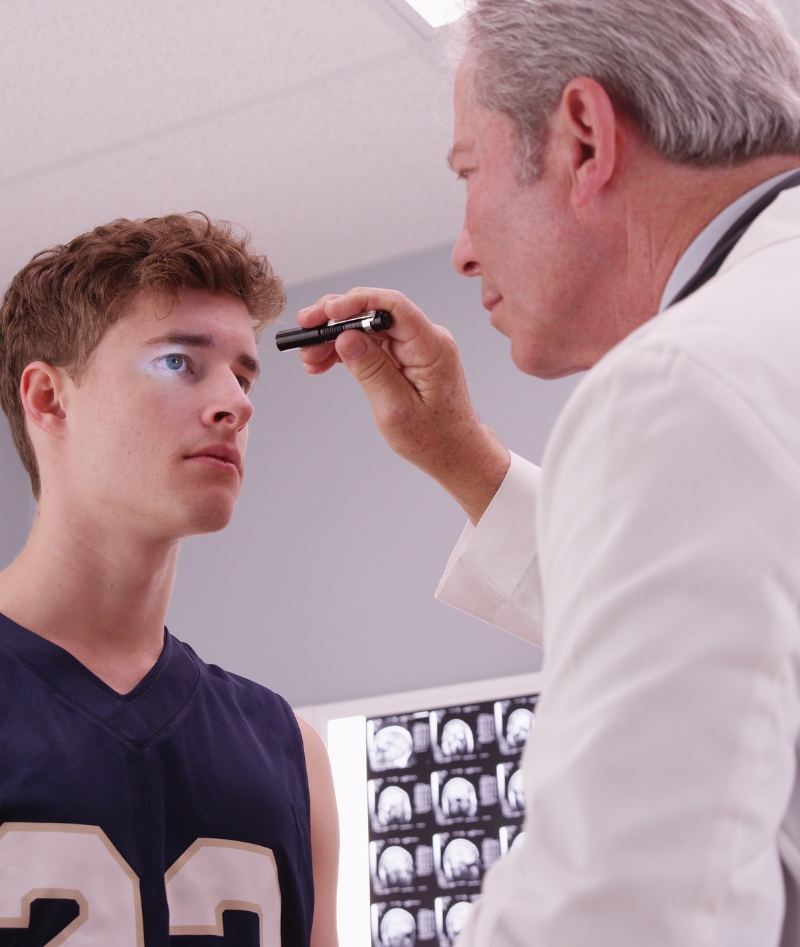
Our team will examine your eye and offer treatment options if needed. When you see an eye care professional, expect them to ask you some questions and carry out tests to determine the state of your eye health.
You should expect:

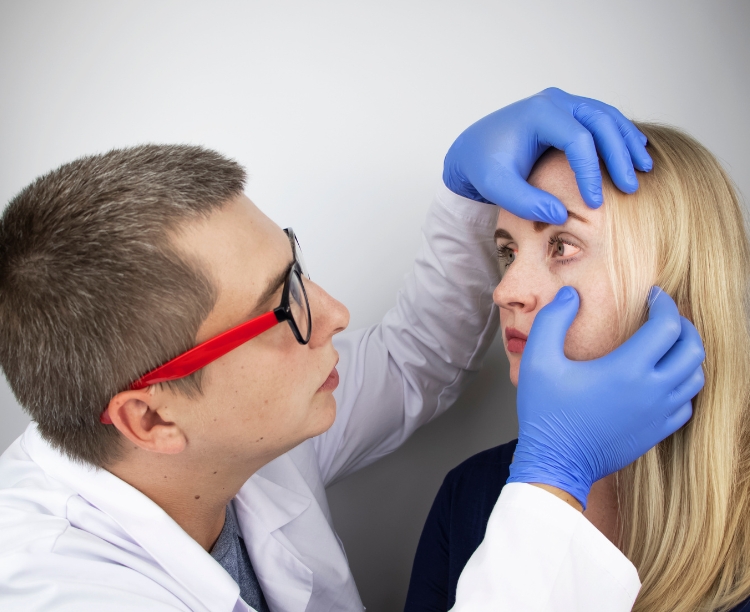
A chalazion can show on either the upper or lower eyelid as a lump or swelling. It’s easy to confuse a chalazion with a stye as they look quite similar, but a chalazion and a stye are different things. A chalazion often develops over a much longer period than a stye, and it’s usually under the skin of the eyelid rather than on the edge.
Chalazions feel firm to the touch, and they often aren’t painful, unlike styes; however, in some rare cases, a chalazion can be caused by an infection, and the lump can appear red and become quite sore. However, if you don’t know if you have a stye or a chalazion, don’t worry, as the at-home treatment is the same for both.
If you are developing a chalazion, some signs to look out for are:
A chalazion can also occur as a result of a bacterial infection; therefore, there are some steps you can take to avoid a chalazion.
Before
After
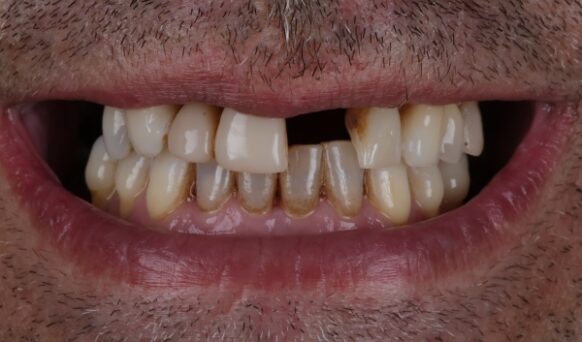
Before
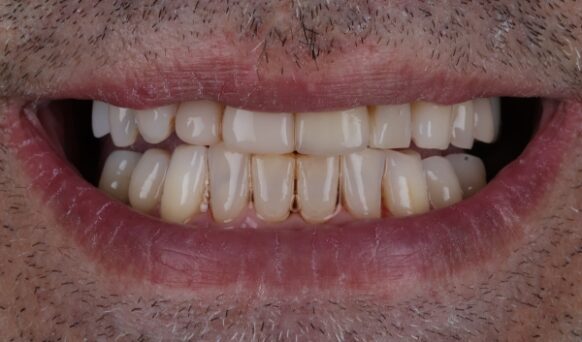
After
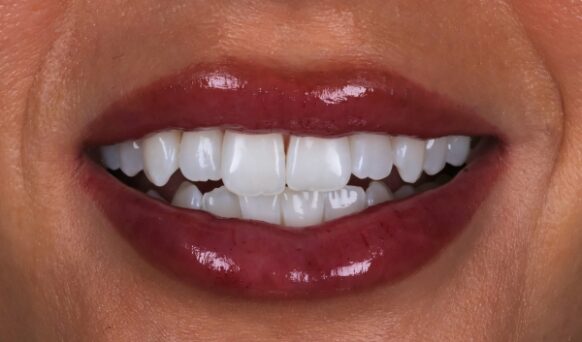
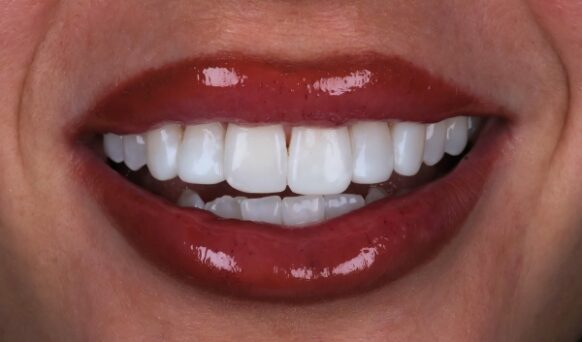
Discover how our advanced eye and dental treatments have helped patients see clearly, smile confidently, and live better with personalised care, comfort, and lasting results.
View More




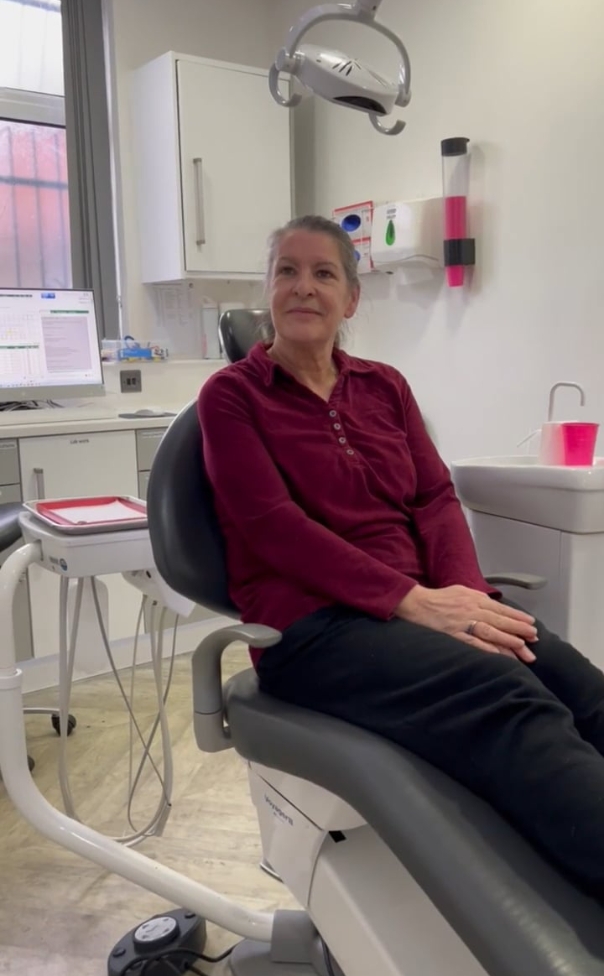
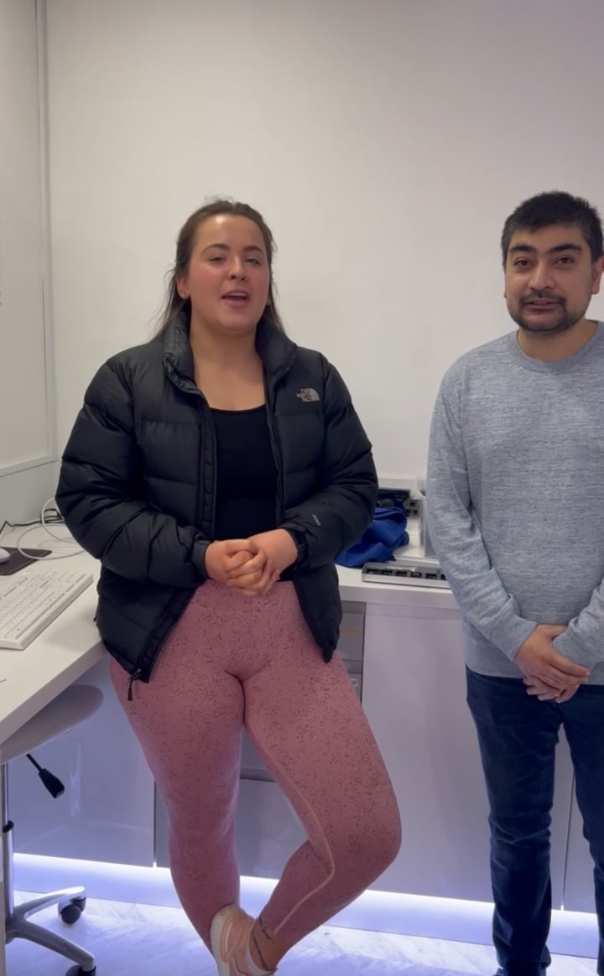

Hemlata T
Had a deep clean today with Alla and Rachel, which was great, they were very gentle and even fixed a stubborn stain between my teeth, which they noticed during the treatment! They supported me through the whole process and talked me through everything they were doing, which was extremely reassuring! Teeth are looking and feeling better than ever. Would definitely recommend!

Abs
Great service all around. Dr Uddin was knowledgeable, kind and put me at ease when having a chalazion removed. He helped me a lot with follow-up care for blepharitis, taking the time to show me how to clean my eyes properly. Michelle at the reception was also very friendly and helpful. Thank you again!
Amanda K
If I could give more than 5 stars for Mr J Uddin, I would. The reception staff were really polite and helpful. I had my chalazion removal surgery 2 months ago, and I was really worried and scared about the whole procedure since it involved a delicate area. Mr J Uddin is a very experienced ophthalmologist, and if you need to have the same surgery as I did, you’ll be in safe hands. It’s really good to see hcp’s going above and beyond for their patients. I really valued the knowledge that he shared with me, and I learnt a lot about my condition. I was actually meant to go to a different clinic before, but I’m so glad I found out about this clinic. I really hope I won’t need another chalazion removal surgery in my lifetime again, but if I ever did, I would 100% come back to this clinic.
Nicole
Very satisfying. Dr J. Uddin removed a cyst on my upper lid. He explained everything to me before and during the procedure, and he has a very calming appearance. The cyst removal was successful ,and it healed so well that you can’t see a mark/scar at all. Thank you so much!
Christine C
I had a great experience here over multiple appointments. I was very nervous beforehand, but Imran (my dentist) helped me stay calm during each visit and explained everything clearly, which really put me at ease. Georgia and Matthew at reception were really friendly and welcoming, and the dental nurses were also lovely — everyone I interacted with across all visits was kind and professional.
All of my appointments went smoothly, and I’m really happy with the end result. I’d definitely recommend them to anyone looking for a caring and reassuring dental team!
Chelsea W
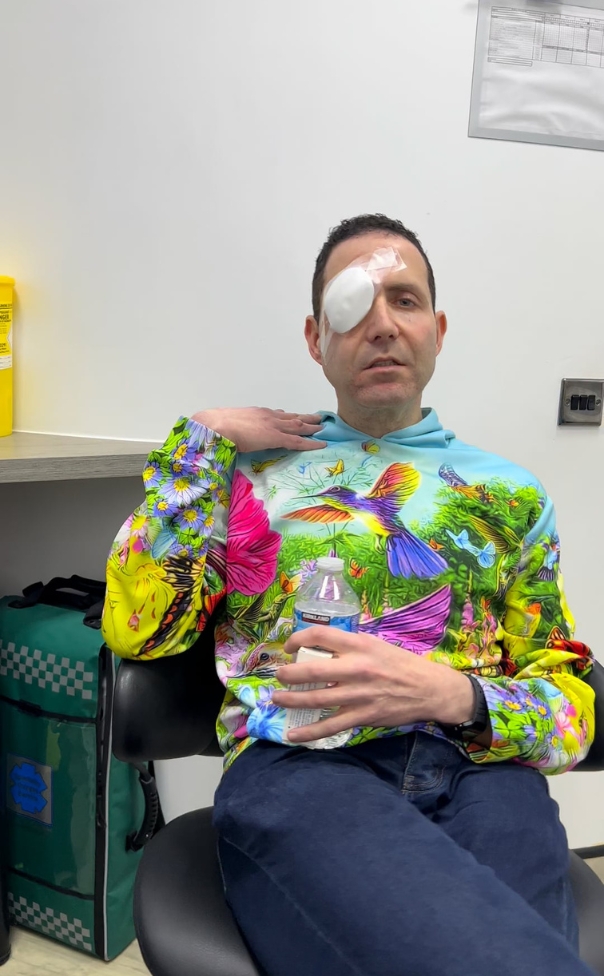
I had a Chalazion removal with Mr Uddin. Fantastic results two months down the line, you’d never know I had it, and he made me feel so relaxed and at ease during the procedure, which was relatively pain-free! Thank you so much!
Becky P
I’ve never been a fan of the dentist, but Imran and all the team have always been professional, friendly and approachable. I’m now no longer scared of going to the dentist as I trust the helpful advice, care, after care they have given me, and nothing is too much trouble. I have since recommended Eye & Dental Clinic to my friends and family, and they, too, have had a great experience. I wouldn’t trust anyone else to look after my dental needs.
Tim R
Can’t thank Imran and the team enough. From the first meeting to the day getting my bonding done has been fantastic. Everything has been really well explained and clear throughout each step. On the day Imran stayed till well after closing to get my teeth how I wanted, which was greatly appreciated. Absolutely thrilled and would recommend to anyone.
Fiona C
I visited the clinic as my friend recommended Dr Imran. I was very impressed by the welcome I received and the assessment before I saw the dentist. Dr Imran spent a lot of time explaining my condition and advising on the best treatment options. I felt very comfortable, relaxed and reassured after my first visit.
Zain Y
Booked my checkup during the black Friday sale. Check up with the dentist was great. Had a follow-up appointment for a scale and polish procedure, which was conducted by Arla and Rachel, and was 10/10.


There are several things you can do to treat your chalazion. Most of the time, it’ll go away at home with simple home treatments, but occasionally you will need to see a professional. Will a hardened chalazion go away? Over time, your chalazion can grow and harden, and yes, it can go away on its own if you follow good practice at home. Try the following:
Now you know all about a chalazion, what the symptoms are and how to get rid of it yourself, you’re probably wondering how long it’ll take for your eyelid to get back to normal. Well, you’re in luck because a chalazion usually isn’t a long-term issue, and although it can be annoying, you can expect your chalazion to be completely gone within a month as long as you follow the at-home methods above.
In some cases, where the chalazion is quite large, it can take several months to completely go away, but you should see some improvement within that time. If you’re ever concerned about a chalazion or if you’re struggling to get rid of it, see an eye care professional or doctor for advice and further treatment.
You will know if your chalazion is healing because the lump and redness will slowly start to go down and be less visible over time.
No. Even though opticians deal with our eyes, their focus is mainly on correcting our vision. In any instance of abnormalities or worries they have with your eyesight, they may refer you to a doctor for further treatment.
You can not book an optician appointment for a chalazion. With that being said, if you attend your optician appointment with a chalazion, you will likely be made to rebook your appointment, as your eyes may be touching their equipment, which only increases the risk of spreading the infection to other people.
The only instance in which you can attend an appointment for chalazion treatment would be through clinics such as Eye & Dental Clinic, which can treat chalazion safely and provide you with correct guidance afterwards.
As a chalazion is caused by infection, any eyedrop must have properties that will treat the infection. These properties are not in all eyedrops; the best course of action is to get your chalazion checked by a doctor and have the appropriate eyedrops prescribed to you.
We provide evening, weekend, and same-day appointments for your convenience.