
 06 Jan 2025
If you’ve recently had a tooth extraction and accidentally rinsed your mouth, you might be concerned about the impact on your healing process. Rinsing too soon can interfere with clot formation and slow down recovery, but you don’t necessarily need to worry yet. We’ll walk you through the steps to take and tips for ensuring proper healing after an unintentional rinse.
After a tooth extraction, proper aftercare is crucial for promoting healing and preventing complications. One key aspect is avoiding rinsing your mouth too soon, as it can interfere with the formation and stability of the blood clot at the extraction site.
This blood clot acts as a protective barrier, covering the exposed bone and nerves while initiating the healing process. Disrupting it can lead to a painful condition known as dry socket, which occurs when the clot is dislodged or fails to form, leaving the wound exposed, prolonging healing and causing more pain.
Rinsing, especially within the first 24 hours, creates a strong force of liquid that can disturb the blood clot. Even gentle swishing motions may generate enough pressure to dislodge it, so if you use a saltwater rinse to keep your mouth clean after your tooth extraction, you need to be very careful and only begin after the first 24 hours when the clot has had time to form.
For the same reason, spitting should also be avoided. The act of spitting exerts suction and pressure, which can pull the clot out of its position, exposing the underlying tissue and delaying healing.
Instead of rinsing, follow your dentist’s specific aftercare instructions. Typically, you should wait at least 24 hours before using a saline solution or an antiseptic mouthwash, and even then, only rinse gently. Additionally, avoid using straws, smoking, or engaging in vigorous physical activity during the initial recovery period, as these actions can similarly displace the blood clot.
By refraining from rinsing and spitting too soon after an extraction, you allow the blood clot to remain undisturbed, facilitating the natural healing process and reducing the risk of infection or complications. If you experience severe pain, persistent bleeding, or any unusual symptoms, consult your dentist promptly for guidance.
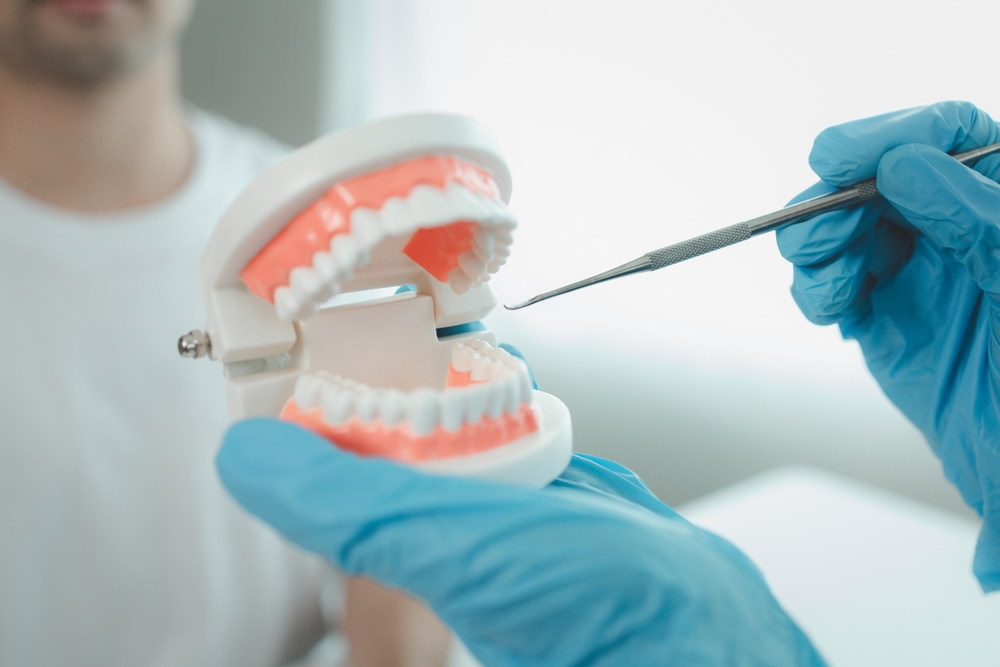
If you accidentally rinse your mouth too soon after a tooth extraction, you can still take steps to protect the blood clot and minimise the risk of developing a dry socket.
The three most important actions to take are:
Let’s look at each in more detail.
Stop any further actions that might disturb the blood clot, such as additional rinsing, spitting, or drinking through a straw. These activities create suction or pressure, which can dislodge the clot. Focus on keeping the extraction site undisturbed moving forward.
If you notice bleeding after rinsing, fold a clean piece of gauze or a tea bag (moistened with water) and gently place it over the extraction site. Bite down firmly for 20-30 minutes. If the bleeding doesn’t stop, try a clean piece of gauze or another teabag for a further 20-30 minutes.
The pressure encourages clot formation and helps control bleeding. Tea bags are particularly helpful as they contain tannins, which promote clotting and have mild antiseptic properties.
Stay vigilant for signs of dry socket, such as severe pain radiating to the ear or jaw, bad breath, or an unpleasant taste. If symptoms develop, contact your dentist immediately.
Continue to follow aftercare instructions, including avoiding smoking, vigorous exercise, and other disruptive activities. After 24 hours, begin rinsing gently with a room-temperature saline solution to keep the area clean without disturbing the healing process.
By taking these steps immediately, you can help protect the blood clot and support the healing process, even after an accidental rinse. Always communicate with your dentist if you’re unsure of what to do or notice any unusual symptoms.

If you suspect you’ve disturbed the blood clot after a tooth extraction, it’s important to monitor for warning signs that indicate the need to seek help from a dentist. The blood clot plays a vital role in healing by protecting the exposed bone and nerves. When dislodged, it can lead to complications such as dry socket or infection, both of which require prompt attention.
Signs and symptoms to watch for:
Dry socket (Alveolar Osteitis) is a painful condition caused by the absence of a blood clot, leaving nerves and bone exposed. It delays healing as the clot is needed to help the tissue and nerves regrow, so dry socket requires professional intervention to manage pain and promote recovery.
If bacteria enter the socket, an infection can develop. Left untreated, it may spread to surrounding tissues, leading to more serious issues such as cellulitis or even sepsis, a life-threatening systemic infection.
Seek emergency dental treatment immediately if you experience any of these symptoms. A dentist can clean the area, apply medicated dressings, and prescribe pain relief or antibiotics, as necessary. Prompt care prevents complications and ensures a smooth recovery.
Promoting healing and reducing the risk of infection after a tooth extraction requires careful attention to aftercare. By following a few essential guidelines, you can ensure a smoother recovery and reduce the risk of complications like dry socket or infection.
In the first 24-48 hours, stick to soft foods like room-temperature soup, mashed potatoes, scrambled or soft-boiled eggs, and broths. Avoid crunchy, spicy, or hard foods as they might irritate the extraction site. You should also chew on the opposite side of your mouth to prevent disrupting the healing area.
Additionally, staying hydrated is vital for healing. Drink plenty of water, but avoid using straws to prevent blood clots.
Smoking should be avoided for at least a week. The suction from inhaling can disturb the blood clot, while the chemicals in tobacco can slow healing and increase the risk of infection. Similarly, alcohol should be avoided for at least five days, as it can dissolve the blood clot and interact negatively with prescribed pain medications or antibiotics.
Maintain oral hygiene one day after your surgery by gently rinsing your mouth with a warm saline solution (a mix of salt and water) to reduce bacteria and keep the area clean without disturbing the clot. Then, continue as normal, brushing your teeth carefully, but avoiding the extraction site.
Rest is crucial for recovery. Avoid vigorous physical activity for at least 48 hours to prevent bleeding or clot displacement. Elevating your head while resting and sleeping can also reduce swelling to help you stay comfortable.
By prioritising soft foods and hydration and avoiding harmful habits like smoking and alcohol, you can allow for a smooth recovery process. Combining these practices with gentle oral hygiene and rest significantly reduces the risk of complications, helping yourgumsm recover effectively.
If you accidentally rinse your mouth after a tooth extraction, avoid further rinsing, apply gentle pressure with gauze to control bleeding, and avoid suction actions like spitting or drinking through a straw to protect the clot.
If you’re concerned about your recovery after a tooth extraction, contact Eye and Dental Clinic today for expert advice and follow-up care to keep your healing on track.
You can also look at patient pictures, read testimonials, book your appointment or take a look at our other useful blogs, like those on wisdom teeth:


Discover how our advanced eye and dental treatments have helped patients see clearly, smile confidently, and live better with personalised care, comfort, and lasting results.
View More










Hemlata T
Had a deep clean today with Alla and Rachel, which was great, they were very gentle and even fixed a stubborn stain between my teeth, which they noticed during the...

Abs
Great service all around. Dr Uddin was knowledgeable, kind and put me at ease when having a chalazion removed. He helped me a lot with follow-up care for blepharitis, taking...
Amanda K
If I could give more than 5 stars for Mr J Uddin, I would. The reception staff were really polite and helpful. I had my chalazion removal surgery 2 months...
Nicole
Very satisfying. Dr J. Uddin removed a cyst on my upper lid. He explained everything to me before and during the procedure, and he has a very calming appearance. The...
Hemlata T
Had a deep clean today with Alla and Rachel, which was great, they were very gentle and even fixed a stubborn stain between my teeth, which they noticed during the...
Abs
Great service all around. Dr Uddin was knowledgeable, kind and put me at ease when having a chalazion removed. He helped me a lot with follow-up care for blepharitis, taking...
Amanda K
If I could give more than 5 stars for Mr J Uddin, I would. The reception staff were really polite and helpful. I had my chalazion removal surgery 2 months...
Nicole
Very satisfying. Dr J. Uddin removed a cyst on my upper lid. He explained everything to me before and during the procedure, and he has a very calming appearance. The...