
 16 Jan 2025
We’ll get to the bottom of your post-extraction bad breath.
Bad breath after tooth extraction is often caused by food particles, bacterial buildup, or dry socket. Proper cleaning and hydration can help resolve the issue. Understanding these causes and adopting appropriate care measures is essential for promoting healing and maintaining fresh breath. Let’s look into the primary reasons for post-extraction halitosis and how each can be managed effectively.
Food debris can easily become trapped in the extraction site, especially during the early stages of healing when the wound is still open. These particles can decay over time, producing an unpleasant odour. Additionally, they serve as a food source for bacteria, compounding the problem.
To minimise the risk, it is crucial to follow post-extraction care instructions provided by your dentist. This may include rinsing gently with saltwater or an approved mouthwash and avoiding foods that can easily break apart and lodge in the wound.
Staying hydrated also helps by encouraging saliva production, which naturally cleanses the mouth. Regular yet careful cleaning around the area using a soft-bristle toothbrush further reduces the chance of debris accumulation.
The oral cavity is home to countless bacteria, many of which are harmless or even beneficial. However, after tooth extraction, the surgical site can create a breeding ground for harmful bacteria if not properly cleaned. These bacteria break down organic matter, releasing foul-smelling compounds that contribute to bad breath.
In some cases, the buildup of plaque around the wound may exacerbate the problem, so maintaining oral hygiene is paramount. Gently cleaning the teeth surrounding the extraction site without disturbing the clot is essential. Using an antibacterial mouthwash, as recommended by your dentist, can help manage bacterial growth and reduce the risk of infection.
Dry socket, or alveolar osteitis, is a painful condition that occurs when the blood clot protecting the extraction site is dislodged or dissolves prematurely. This exposes the underlying bone and nerves, often leading to a distinctive foul odour. Beyond bad breath, dry socket can cause significant discomfort and delayed healing. Preventing dry socket requires adherence to your dentist’s guidelines during the first week post-extraction, such as:
If dry socket develops, seeking prompt dental treatment is necessary. Dentists may clean the site, apply a medicated dressing, and provide specific instructions to alleviate symptoms and promote healing.

The duration of bad breath after a tooth extraction varies depending on the underlying cause and how well post-operative care is followed. In most cases, the unpleasant odour subsides within a few days as the healing process progresses and the extraction site stabilises. If the bad breath is caused by food debris trapped in the socket, practising good oral hygiene, such as gentle rinsing with salt water or a dentist-approved mouthwash, can resolve the issue within a week.
However, if bacteria build up in the area, bad breath may persist until the wound is thoroughly cleaned and healing advances. Consistent oral care and hydration are key to reducing bacterial growth and minimising odour. Dry socket, a more severe complication, may cause bad breath to last longer – up to two weeks or more.
In such cases, the exposed bone and inflamed tissue contribute to the foul smell, which will only improve with proper dental treatment, such as medicated dressings and care instructions from your dentist.
Overall, bad breath after extraction typically resolves within one to two weeks with diligent care. Prolonged symptoms may indicate complications, so consulting your dentist is essential to ensure proper healing and address any underlying issues.
Managing bad breath during recovery from a tooth extraction requires a combination of good oral hygiene, dietary adjustments, and attentive care of the extraction site. These practical solutions can help reduce bad breath and support healing.
Firstly, gentle oral hygiene is crucial. Rinse your mouth carefully with salt water or a dentist-approved antiseptic mouthwash to remove debris and bacteria without disturbing the blood clot. Use a soft-bristled toothbrush to clean the surrounding teeth and gums, avoiding the extraction site to prevent irritation or dislodging the clot.
Hydration plays a vital role in reducing bad breath. Drinking plenty of water helps maintain saliva production, which naturally cleanses the mouth and reduces bacterial growth. Avoid sugary or acidic beverages that can promote bacterial activity.
Smoking and alcohol consumption should also be avoided during recovery, as they can dry out the mouth and interfere with healing, increasing the risk of dry socket and bad breath.
If bad breath persists despite these efforts, consult your dentist. They can check for complications and provide targeted treatments, such as medicated rinses or dressings, to address the underlying issue.
By combining these strategies, you can manage bad breath effectively and ensure a smoother recovery process.
Dietary choices also impact breath freshness. Stick to soft, easy-to-chew foods like soups, mashed vegetables, and smoothies to prevent food particles from getting trapped in the socket. Avoid foods with strong smells, such as garlic and onions, as they can worsen halitosis.
Similarly, a diet high in sugar feeds harmful bacteria in the mouth, especially those responsible for plaque formation and bad breath. These bacteria metabolise sugar, producing acids and sulfur compounds that contribute to an unpleasant odour. Over time, excessive sugar consumption can lead to tooth decay and gum disease, both of which are significant contributors to chronic bad breath, so reducing sugar intake and maintaining a thorough oral hygiene routine can help minimise these effects.
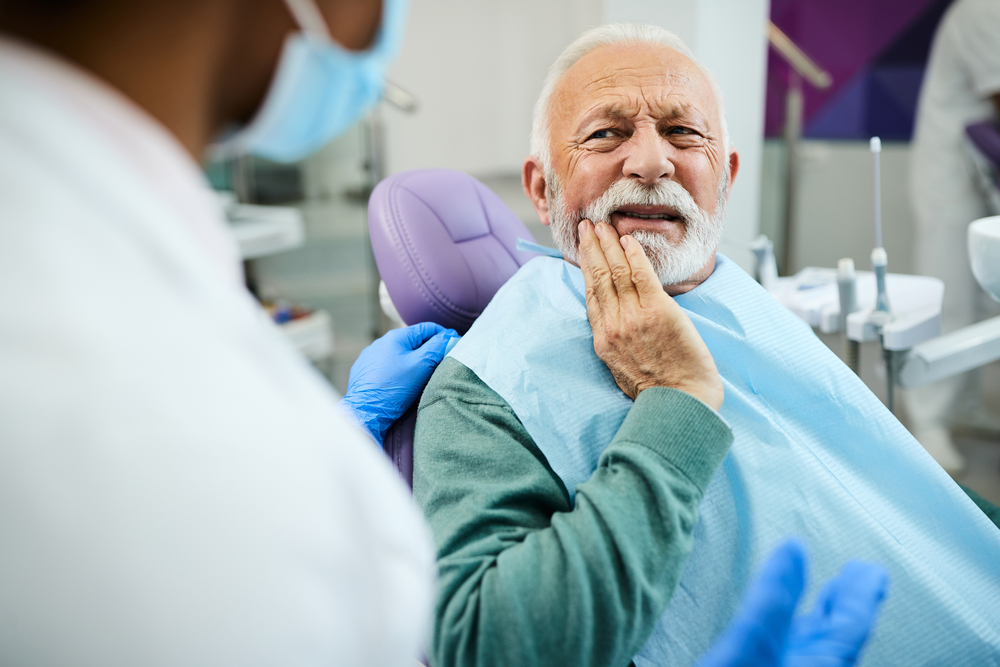
If bad breath persists despite practising good oral hygiene and making lifestyle adjustments, it’s important to see a dentist. Persistent bad breath may indicate an underlying issue that requires professional attention. If the odour lasts for more than a week or worsens over time, it could be a sign of gum disease, tooth decay, or an infection that needs treatment.
Additionally, if the bad breath is accompanied by pain, swelling, or a bad taste in your mouth, it may point to more serious conditions such as dry socket after a tooth extraction, a dental abscess, or other infections. If you’ve recently had dental work and the bad breath continues, it’s a good idea to have your dentist assess the healing process to rule out complications.
A dentist can evaluate your oral health, identify the cause of persistent bad breath, and recommend appropriate treatments to resolve the issue effectively.
Post-extraction care is essential for promoting healing and preventing complications like infection or dry socket, which can lead to bad breath. Immediately following the procedure, avoid disturbing the blood clot in the socket by refraining from sucking, spitting, or using straws.
Gently rinse your mouth with warm salt water after 24 hours to keep the area clean. Keep your head elevated while sleeping to reduce swelling, and apply an ice pack to the outside of your cheek for the first 24 hours to minimise swelling and discomfort.
Eat soft foods and avoid hot or spicy items that may irritate the extraction site. Hydration is important to keep the mouth moist and encourage healing. Smoking and alcohol should be avoided, as they can interfere with healing and increase the risk of complications. If you experience severe pain or persistent bad breath, contact your dentist promptly.
Post-extraction care tips:
Struggling with bad breath after a tooth extraction? Contact Eye and Dental Clinic today for expert advice and aftercare solutions to keep your mouth healthy and fresh!
If you’re considering joining us at our clinic for a routine check-up or emergency appointment, check out patients’ pictures, testimonials or simply book your appointment.
You can also look at our other helpful blogs:


Discover how our advanced eye and dental treatments have helped patients see clearly, smile confidently, and live better with personalised care, comfort, and lasting results.
View More











Hemlata T
Had a deep clean today with Alla and Rachel, which was great, they were very gentle and even fixed a stubborn stain between my teeth, which they noticed during the...

Abs
Great service all around. Dr Uddin was knowledgeable, kind and put me at ease when having a chalazion removed. He helped me a lot with follow-up care for blepharitis, taking...
Amanda K
If I could give more than 5 stars for Mr J Uddin, I would. The reception staff were really polite and helpful. I had my chalazion removal surgery 2 months...
Nicole
Very satisfying. Dr J. Uddin removed a cyst on my upper lid. He explained everything to me before and during the procedure, and he has a very calming appearance. The...
Hemlata T
Had a deep clean today with Alla and Rachel, which was great, they were very gentle and even fixed a stubborn stain between my teeth, which they noticed during the...
Abs
Great service all around. Dr Uddin was knowledgeable, kind and put me at ease when having a chalazion removed. He helped me a lot with follow-up care for blepharitis, taking...
Amanda K
If I could give more than 5 stars for Mr J Uddin, I would. The reception staff were really polite and helpful. I had my chalazion removal surgery 2 months...
Nicole
Very satisfying. Dr J. Uddin removed a cyst on my upper lid. He explained everything to me before and during the procedure, and he has a very calming appearance. The...