


 27 Oct 2024
Twitching eyes are very irritating, but what’s behind them? Can it be dry eyes? Let’s take a look.
Eyelid twitching, medically known as myokymia, is usually a benign and temporary issue, but it can be quite bothersome. This involuntary spasm of the eyelid muscles can occur in either the upper or lower eyelid, typically for brief periods or intermittently over several days. Here are some common causes and factors that may contribute to eyelid twitching:
High levels of stress or anxiety can contribute significantly to eyelid twitching. The body’s response to stress affects the nervous system, which can manifest as muscle twitches, so alleviating stress can help reduce twitching.
Not getting enough rest or experiencing interrupted sleep can also strain the muscles around the eyes, leading to twitching. This may also be due to stress, so learning to relax and unwind can significantly help relieve symptoms.
Prolonged screen time without breaks, poor lighting, or needing prescription updates for glasses can lead to muscle fatigue and twitching, so it’s best to give yourself regular breaks from your computer and phone. You may also find yourself glugging coffee while working at your computer, but excessive consumption of caffeine and alcohol can overstimulate the nerves, causing eyelid muscles to twitch.
Deficiencies in essential nutrients like magnesium can affect muscle function, sometimes resulting in muscle spasms, including eyelid twitching, so make sure you’re eating a balanced diet.
Chronic dry eyes can also cause eye twitching, as they can lead to eye strain, which can trigger spasms as the eyes become irritated and tired.
In rare cases, eyelid twitching can be a sign of neurological conditions like Bell’s palsy or multiple sclerosis. However, these conditions often involve other, more serious symptoms as well. Generally, eyelid twitching can be managed by reducing stress, moderating caffeine intake, ensuring adequate sleep, and managing screen time.
Dry eyes occur when the eyes don’t produce enough tears or the tears evaporate too quickly, resulting in irritation, discomfort, and even blurred vision. Various factors contribute to this condition, including:
Dry eyes can often be managed by using artificial tears, taking breaks from screens, and making lifestyle adjustments like using a humidifier. For severe cases, consulting an eye specialist is recommended to explore additional treatment options.

Dry eyes can cause eyelid twitching. This common irritation occurs when the eyes do not produce sufficient tears or the tears evaporate too quickly, leaving the eyes dry and uncomfortable. This dryness can cause eyes to twitch for a variety of reasons.
Dryness in the eyes often leads to inflammation and stress in the surrounding muscles, which can result in involuntary spasms in the eyelid muscles. When the eyes are dry, they also become more sensitive to environmental factors like wind, dust, or bright lights. This heightened sensitivity can further strain the eye muscles, triggering twitching as a response to this stress.
Additionally, people with dry eyes may rub their eyes more frequently in an attempt to relieve discomfort. However, this can inadvertently worsen the twitching, as rubbing can irritate the muscles around the eyelids and lead to spasms.
Furthermore, dry eyes often occur alongside eye strain, especially when spending prolonged hours on screens. When we use digital devices, the blink rate decreases significantly, causing tears to evaporate faster and contributing to dryness and twitching.
Managing dry eyes through artificial tears, taking regular breaks from screens, and keeping eyes lubricated by using eye drops can help reduce twitching related to eye dryness. For persistent cases, an eye doctor may recommend specific treatments, like warm compresses or punctal plugs, to improve tear retention and alleviate dryness, which may reduce the frequency of eyelid twitching.
To stop eyelid twitching, it’s important to address the underlying causes and make lifestyle adjustments. Here are several effective strategies:
Reduce Stress: Practise relaxation techniques such as deep breathing, meditation, or yoga. Stress management can significantly decrease the frequency of twitching.
Get Adequate Sleep: Aim for 7-9 hours of quality sleep each night. Establish a regular sleep schedule to ensure your body is well-rested.
Limit Caffeine and Alcohol: Reduce or eliminate caffeine and alcohol intake, as both can overstimulate the nervous system and contribute to twitching.
Stay Hydrated: Drink plenty of water throughout the day to keep your body and eyes hydrated, which may help reduce dryness and irritation.
Take Screen Breaks: Follow the 20-20-20 rule: every 20 minutes, look at something 20 feet away for 20 seconds to reduce eye strain.
Use Artificial Tears: If dry eyes are contributing to twitching, use lubricating eye drops to keep your eyes moist.
Warm Compresses: Applying a warm compress to your eyes can help relax the muscles and alleviate spasms.
If twitching persists despite these measures, consult an eye care professional to rule out any underlying medical conditions.
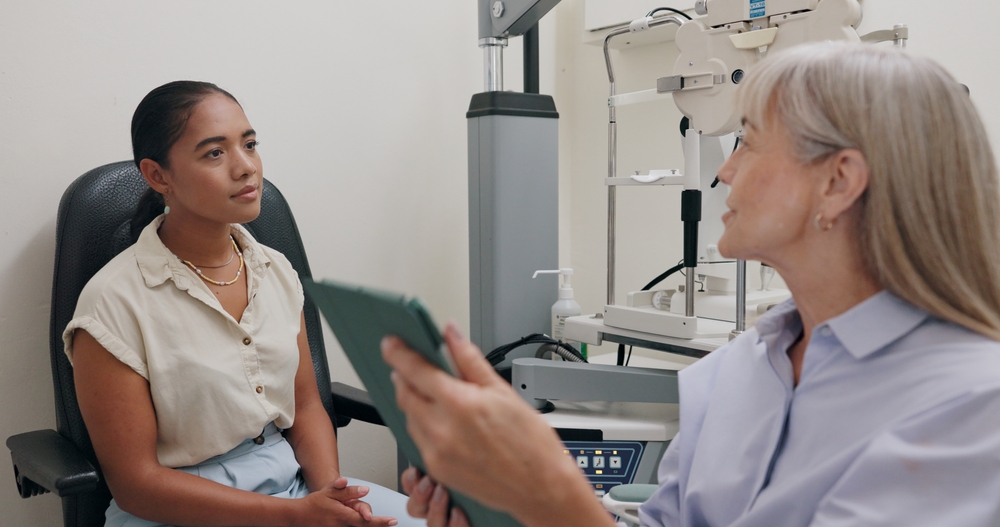
Treating dry eyes involves a combination of lifestyle adjustments, over-the-counter remedies, and professional interventions. One of the first steps is to use artificial tears. These lubricating eye drops, available over-the-counter, can provide immediate relief by adding moisture to the eyes; opting for preservative-free options is ideal for frequent use.
Warm compresses can also be beneficial. Applying a warm, damp cloth over closed eyelids helps stimulate oil production in the glands of the eyelids, improving tear quality and retention. Additionally, using a humidifier in your home or office can add moisture to the air, preventing tears from evaporating too quickly, particularly in dry or air-conditioned environments.
Staying hydrated is essential, so drinking plenty of water throughout the day helps maintain tear production. Dietary adjustments can also play a role; incorporating omega-3 fatty acids from sources like fish, flaxseed, and walnuts may improve tear quality.
Limiting screen time is crucial as well. Following the 20-20-20 rule can reduce eye strain.
If over-the-counter remedies are insufficient, consulting an eye care professional is necessary to avoid long-term eye health problems, as dry eyes can be very serious.
Eye specialists might prescribe anti-inflammatory eye drops, such as corticosteroids or cyclosporine A, to enhance tear production. In severe cases, punctal plugs can be inserted into the tear ducts to block drainage, allowing tears to remain on the surface of the eye longer. By combining these strategies, individuals can effectively manage dry eyes and improve overall comfort.
It’s important to consult an eye specialist if you experience eyelid twitching or dry eyes that persist despite home remedies. Several specific circumstances warrant professional help.
First, if eyelid twitching lasts more than a few days or occurs frequently, it may indicate an underlying issue that needs evaluation. If you frequently feel stressed or struggle with sleep, your GP can advise on lifestyle adjustments to relieve your symptoms and improve your overall health. Additionally, if twitching is accompanied by other symptoms such as redness, swelling, or discharge from the eyes, it could signal an infection or another eye condition requiring treatment.
For those with severe dryness, if it leads to significant discomfort or pain, or affects daily activities, a specialist can provide tailored treatments to prevent complications. Any vision changes that accompany twitching or dryness should prompt an immediate visit to an eye care professional.
If you suspect that medications are contributing to your symptoms, your doctor can help evaluate potential side effects and recommend alternatives.
Addressing these concerns early can prevent the worsening of symptoms and ensure proper management of any potential underlying conditions.
The specialists at the Eye and Dental Clinic can help you relieve your dry eyes. Book an appointment today, or take a look at our emergency treatments if you need urgent help.
Contact us for more information, or read more information about dry eyes on our blog page, including:


Discover how our advanced eye and dental treatments have helped patients see clearly, smile confidently, and live better with personalised care, comfort, and lasting results.
View More




















Hemlata T
Had a deep clean today with Alla and Rachel, which was great, they were very gentle and even fixed a stubborn stain between my teeth, which they noticed during the...

Abs
Great service all around. Dr Uddin was knowledgeable, kind and put me at ease when having a chalazion removed. He helped me a lot with follow-up care for blepharitis, taking...
Amanda K
If I could give more than 5 stars for Mr J Uddin, I would. The reception staff were really polite and helpful. I had my chalazion removal surgery 2 months...
Nicole
Very satisfying. Dr J. Uddin removed a cyst on my upper lid. He explained everything to me before and during the procedure, and he has a very calming appearance. The...
Hemlata T
Had a deep clean today with Alla and Rachel, which was great, they were very gentle and even fixed a stubborn stain between my teeth, which they noticed during the...
Abs
Great service all around. Dr Uddin was knowledgeable, kind and put me at ease when having a chalazion removed. He helped me a lot with follow-up care for blepharitis, taking...
Amanda K
If I could give more than 5 stars for Mr J Uddin, I would. The reception staff were really polite and helpful. I had my chalazion removal surgery 2 months...
Nicole
Very satisfying. Dr J. Uddin removed a cyst on my upper lid. He explained everything to me before and during the procedure, and he has a very calming appearance. The...