



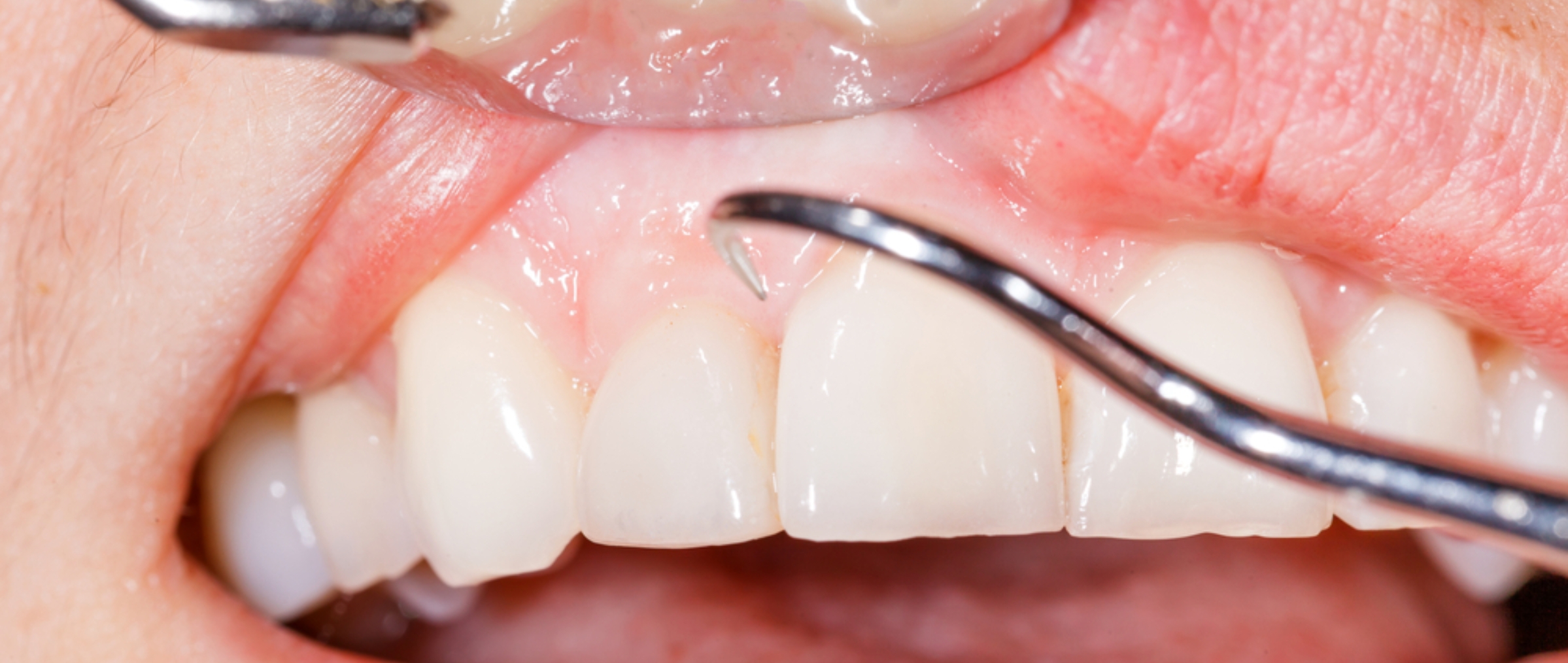
Gum disease is a common but potentially serious illness, causing bleeding of the gums, sensitivity and discomfort when eating, so you should see a dentist for advice on treating your gum disease if you think you have it. Composite bonding is for minor tooth repairs, but it can still be affected by gum disease. Let’s look at what you should do.
How do you get composite bonding?

Composite bonding is a method of fixing cracked, chipped, broken or discoloured teeth in a simple, painless and cost-effective way. If you have damaged your teeth or want an alteration due to the colour, for example, if you’ve injured a tooth and caused intrinsic bleeding which has caused it to discolour from the inside, you can go to your dentist to discuss what options are best for you.
Composite bonding is a great option for minor touch-ups, but it’s not as sturdy as porcelain teeth like veneers or crowns, while teeth whitening can be a great option if your teeth are otherwise healthy and you simply want to improve the colour. Your dentist will assess your teeth and suggest the best options for your symptoms.
Can you have composite bonding with gum disease?
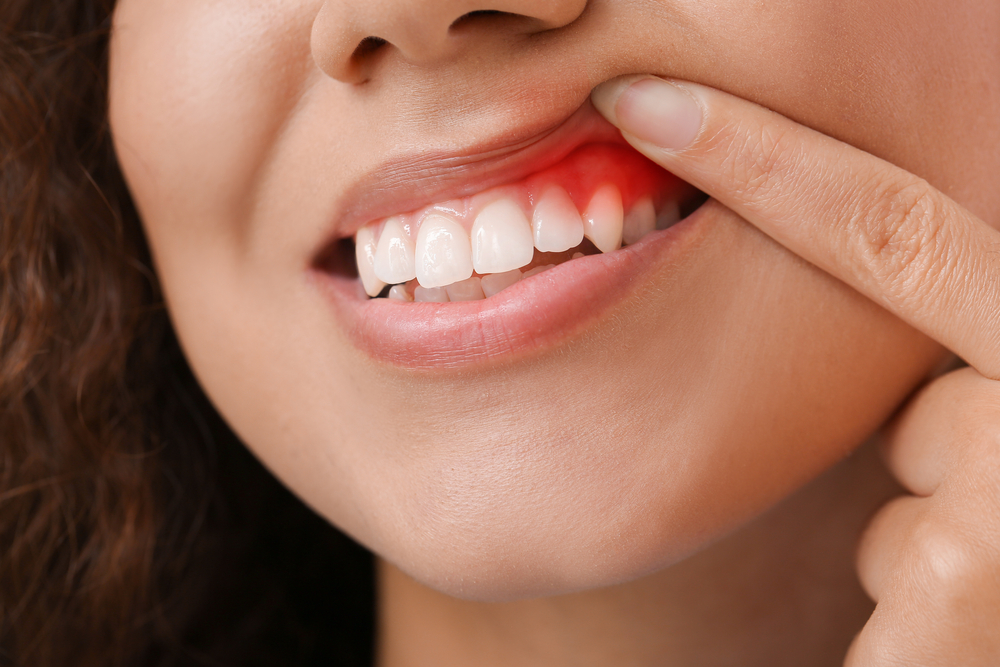
Although composite bonding is a minor treatment covering the teeth, the success of composite bonding can be influenced by various factors, including the health of the gums.
If you have gum disease, also known as periodontal disease, it’s important to address the underlying gum issues before undergoing any cosmetic dental procedures like composite bonding. Gum disease can cause inflammation, recession of the gums, and even bone loss around the teeth, which can affect the stability of the teeth and the longevity of dental restorations.
In your check-up, your dentist will assess the health of your gums before suggesting any treatment and may first refer you to a dental hygienist to have your teeth cleaned and flushed to prevent the gum disease from worsening. Once the gum disease is under control and the gums are healthy, composite bonding can often be performed successfully.
So, while composite bonding can improve the appearance of teeth affected by various cosmetic issues, it’s crucial to address any underlying gum disease before undergoing this treatment to ensure the best possible outcome for your oral health. This may take some time, especially if you see an NHS dentist for your hygiene appointments, so it’s worth considering private dentistry to speed up the process and fix your teeth.
Can you treat gum disease permanently?
Gum disease is a chronic condition that can be managed and treated, but it cannot usually be completely cured. However, with proper treatment and ongoing care, it is possible to control gum disease and prevent it from progressing.
The primary goal of gum disease treatment is to eliminate the bacterial infection and reduce inflammation in the gums. Treatment typically involves professional dental cleaning to remove plaque from the teeth, especially in harder-to-reach areas, which causes inflammation, but you need to maintain good oral hygiene practices at home to manage gum disease effectively.
Brushing twice a day, including your gums and tongue and flossing daily is essential to maintain good oral hygiene and prevent bacteria from thriving in your mouth. But you should also have regular check-ups with your dentist to monitor the condition and treat it as needed. Dental hygienists can also smooth the surfaces of your teeth, including those below the gumline, to prevent bacteria from sticking to the area so easily. Early detection and intervention are key to preventing the progression of gum disease and minimising its impact on your oral health.
Is composite bonding permanent?
Composite bonding is not considered a permanent dental restoration like a crown or a dental implant. However, composite bonding can last many years with proper care and maintenance.
How long your composite bonding lasts depends on several factors, including:
- Maintaining good oral hygiene practices.
- Avoiding hard, sticky, or very sugary foods that can compromise the bonding material.
- Bad habits such as biting nails, using sellotape or using teeth as tools increase the risk of chipping the resin.
- Regular dental check-ups to monitor the teeth.
- The quality of the materials used and the time taken to apply them.
Although composite bonding is generally the cheapest option for tooth repair, especially in comparison to veneers, some private dentists will charge more or less than others, and generally, you pay for the quality you receive.
Despite being able to take good care of your repaired teeth, composite bonding may still need to be repaired or replaced due to wear and tear over time. On average, composite bonding can last anywhere from 5 to 10 years or longer with proper care. If the bonding material becomes discoloured, chipped, or damaged, your dentist can often repair or replace it to restore the appearance and function of the teeth. Regular dental check-ups are important to monitor the condition of bonded teeth and address any issues promptly.
Even porcelain veneers, despite their expense, are not considered a permanent fix either; however, they are longer-lasting compared to other dental treatments. On average, porcelain veneers can last between 10 and 15 years, and sometimes even longer with good oral hygiene and care. Eventually, veneers usually need to be replaced due to wear and tear or changes in the underlying teeth, but with great care, they can last up to 20 years.
What to do if your composite bonding chips
In the unfortunate case that your composite bonding chips, you don’t need to worry too much – it’s usually an easy fix for your dentist. However, you should address it promptly to prevent further damage and maintain the appearance and function of your teeth.
The first thing you should do if you chip your tooth is to contact your dentist. Dental receptionists usually have at least a basic understanding of the fundamentals of dentistry and can assess the seriousness of the situation over the phone and recommend further action, whether that’s booking you an urgent appointment or advising you on pain management. If you don’t have a regular dentist, you should call the practice that performed your composite bonding.
Until you can see a dentist to have the composite resin fixed, avoid biting or chewing hard food or objects that may further break the tooth. Keep brushing and flossing as normal to further prevent damage to your teeth.
Once you’re able to see your dentist in an appointment, they’ll assess the damage and recommend the best method of fixing the damage; they recommend covering the area with more resin (they may have to remove some composite resin first) or filing your tooth down to add a crown or veneers.
When to get emergency dental care

Chipping your tooth or your composite resin is rarely cause for an emergency; however, if the break is accompanied by wider damage, you may need to see an emergency dentist.
Symptoms that require emergency dental care:
- Severe toothache or dental pain.
- Trauma to the teeth or mouth, such as a knocked-out tooth.
- Swelling or abscesses in the mouth or face.
- Uncontrolled bleeding from the mouth or gums.
- Signs of infection, such as fever or yellowy-white discharge.
- Loose or broken teeth causing significant discomfort or functional impairment.
To get an emergency dentist’s appointment, you should first call your regular dentist’s office. If it’s out-of-hours or they cannot fit you in, they (or their answerphone) should be able to advise you on which practice nearby you can call for help. If you don’t have a regular dental practice, you should call NHS 111 for more information.
Urgent care centres are not for dental emergencies; however, if your life is threatened, i.e. if you’re swelling to the extent your breathing is laboured, or you have heavy bleeding, you should go to A&E for stabilisation before being referred to an emergency dentist.
Of course, accidents happen, and when they do, you need to be able to be seen promptly and by the right people. However, the best way to avoid paying the high costs of an emergency dentist is by having routine appointments with a dental practice to monitor your teeth before any issues become serious.
The Eye and Dental Clinic – here to help
If you need emergency dental treatment or a regular check-up, the Eye and Dental Clinic is here to help! Book your appointment today!