
 14 Jan 2025
If you’re wondering how long you need to stop vaping after a tooth extraction, you’re in the right place. Discover potential risks of vaping and essential recovery tips.
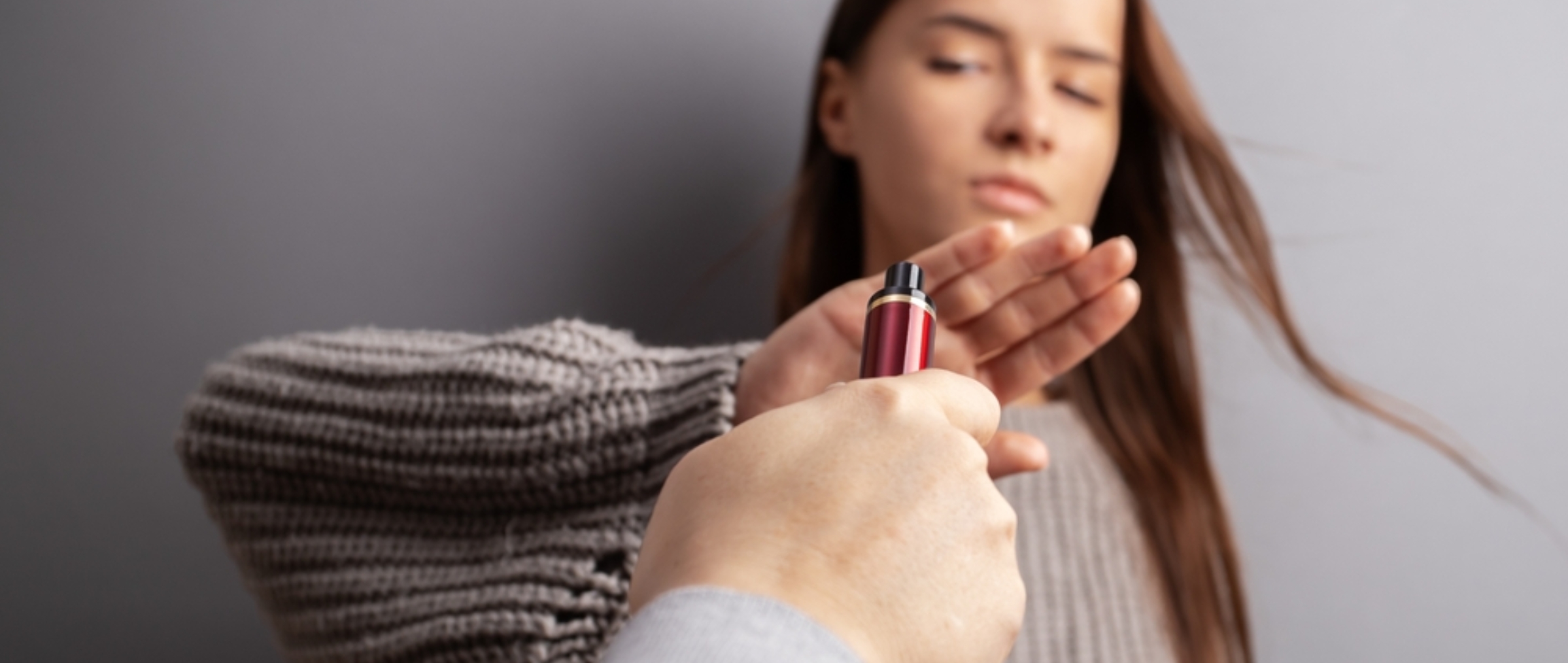
No, you should not vape after a tooth extraction as it can compromise the healing process and lead to complications. Vaping, much like smoking, introduces chemicals into the mouth that can irritate the surgical site. Additionally, the suction created when inhaling vapour can dislodge the blood clot forming in the extraction socket.
This blood clot is essential for healing, as it stops bleeding and protects the underlying bone and nerves from bacteria and food particles entering the site while encouraging tissue regeneration. If the clot is dislodged, it can result in a painful condition called dry socket, which significantly delays recovery and may require additional treatment.
Vaping after a tooth extraction can increase the risk of dry socket and delay healing due to suction and chemicals in the vapour. Waiting for at least one week before vaping can reduce these risks, allowing for your socket to heal after the extraction.
Beyond the direct risks to the extraction site, vaping weakens the immune system and reduces blood flow in the mouth. This can impair the body’s natural ability to fight off infection and repair damaged tissue. Even nicotine-free vaping should be avoided, as the act of inhaling vapour exerts the same suction and exposes the area to potential irritants.
To ensure optimal healing, it’s best to avoid any form of smoking or vaping, as well as other substances that might interfere with recovery, such as alcohol. By prioritising oral health during the initial recovery period, you can minimise complications and promote faster healing.

Vaping during recovery from a tooth extraction poses significant risks, particularly the development of dry socket. Dry socket occurs when the blood clot protecting the exposed bone and nerves in the extraction site becomes dislodged or dissolves too early, leaving the socket vulnerable to infection, delayed healing, and severe discomfort.
Vaping increases the risk of dry socket in two key ways. First, the suction created when inhaling vapour can physically dislodge the blood clot from the extraction site. This suction effect is similar to that caused by smoking and using straws – activities involving forceful inhalation.
Second, the chemicals in vapour, including nicotine and flavouring agents, can irritate the sensitive tissues and impair the body’s natural healing process. Nicotine, in particular, restricts blood flow and reduces oxygen delivery to the affected area, slowing tissue regeneration and increasing the likelihood of infection. Some surgeons recommend quitting smoking a month before any surgery to help your body heal due to the impact nicotine has on the immune system.
Even nicotine-free vaping is not safe during recovery, as the act of inhaling vapour still exerts suction and exposes the surgical site to potential irritants. For these reasons, dental professionals recommend avoiding vaping entirely for at least one week after extraction to reduce emergencies and support proper healing.
The NHS has plenty of useful information to help you quit smoking for good if you’re struggling.
Healing after a tooth extraction can take several days to weeks, depending on the complexity of the procedure and how well you follow your dentist’s aftercare instructions. By adopting proper habits and avoiding risky behaviours, you can minimise complications and prolonged discomfort while promoting faster healing.
For optimum recovery, you should:
Keeping your mouth clean is essential for preventing infection and promoting healing. In the first 24 hours, avoid rinsing or brushing near the extraction site to allow a stable blood clot to form. After this period, gently rinse your mouth with a warm saltwater solution to reduce bacteria and soothe the area.
Use a soft-bristled toothbrush to carefully clean your teeth, avoiding the extraction site. Do not use mouthwash containing alcohol, as it can irritate sensitive tissues. Follow your dentist’s recommendations for cleaning any stitches or adjacent teeth.
Maintaining oral hygiene will create a healthy environment for healing and reduce the risk of complications.
Your diet plays a critical role in recovery. Stick to soft, nutritious foods like room-temperature soups, soft fruits without seeds and mashed potatoes for the first few days. Avoid crunchy, sticky, or spicy foods that can irritate the wound or lodge in the socket.
Hydration is also essential, but use a glass rather than a straw to prevent dislodging the clot. Incorporating foods rich in vitamins A and C, such as sweet potatoes and leafy greens, can support tissue repair and immune function. Gradually reintroduce firmer foods as healing progresses and you notice the socket shrinking, but remain cautious, moving at your own pace to prevent irritation.
Both alcohol and smoking can severely hinder healing after a tooth extraction. Alcohol may interfere with medications prescribed for pain or infection and dislodge the clot at the extraction site. Smoking or vaping introduces harmful chemicals into the mouth, reduces blood flow, and creates suction that increases the risk of dry socket.
Additionally, nicotine compromises the immune system, making it harder for your body to repair damaged tissues. To ensure optimal recovery, avoid alcohol, smoking and vaping for at least a week. Quitting smoking altogether can significantly improve your oral and overall health in the long term.
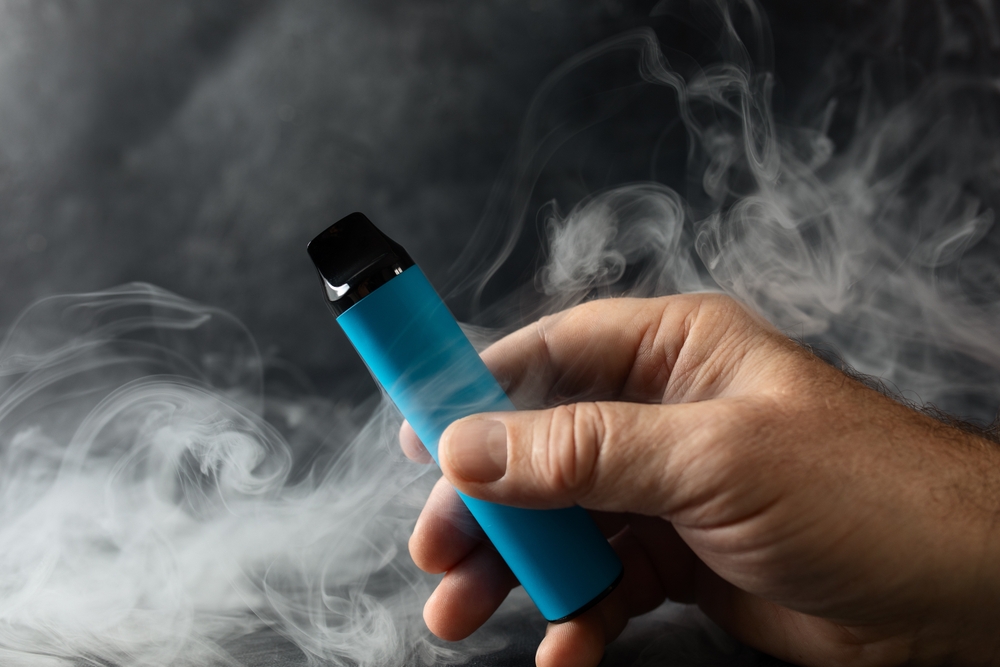
It is generally recommended to wait at least one week before considering vaping after a tooth extraction, but healing timelines can vary. During the initial 3-7 days, the blood clot that forms in the socket is critical for protecting the bone and nerves and allowing the healing process to begin. Signs that the clot is stable and healing is underway include a reduction in swelling, decreased pain, and a gradual change in the appearance of the socket from dark red to lighter tissue.
Gum tissues typically start regenerating visibly within 1-2 weeks, and sensations like reduced tenderness and improved comfort are signs of progress. However, vaping too soon can still disrupt healing, so it’s advisable to wait at least one week or until your dentist confirms that healing is sufficient. If your gum begins to hurt after vaping, stop for a few days or see your dentist for advice.
You can also use this period as an opportunity to quit vaping or smoking entirely, as doing so can significantly improve both oral and overall health.
Choosing the right dental clinic for your surgery is essential for ensuring a smooth procedure and optimal recovery. The Eye and Dental Clinic is renowned for its team of expert dentists who specialise in providing comprehensive care tailored to each patient’s unique needs. Their extensive experience in performing dental surgeries guarantees that you will receive the highest standard of treatment, minimising complications and ensuring long-term success.
Before your surgery, the skilled professionals at the clinic will conduct a thorough evaluation and guide you through the preparation process. They take the time to explain the procedure, address your concerns, and provide personalised advice on managing anxiety or special medical considerations. This ensures you feel confident and well-prepared.
Not every wisdom tooth needs extraction, so Eye and Dental Clinic experts will assess your teeth and determine the necessity of any procedure before advising on what to expect for your wisdom teeth and how to soothe any pain.
Equally important is the clinic’s commitment to your post-surgical recovery. Their team offers clear, evidence-based aftercare instructions to help you heal quickly and avoid complications. With their expertise, you can feel assured that you know what to expect from your first night, and any questions or issues during recovery will be promptly addressed.
Choosing the Eye and Dental Clinic means placing your care in the hands of highly qualified dentists who prioritise your comfort and long-term oral health, ensuring an exceptional experience from consultation to recovery.
Concerned about vaping after a tooth extraction? Contact Eye and Dental Clinic today for expert advice and personalised recovery tips to protect your oral health!
If you’re considering joining us at our clinic, check out patients’ pictures, testimonials or simply book your appointment.
Back to Blog

Discover how our advanced eye and dental treatments have helped patients see clearly, smile confidently, and live better with personalised care, comfort, and lasting results.
View More





Hemlata T
Had a deep clean today with Alla and Rachel, which was great, they were very gentle and even fixed a stubborn stain between my teeth, which they noticed during the...

Abs
Great service all around. Dr Uddin was knowledgeable, kind and put me at ease when having a chalazion removed. He helped me a lot with follow-up care for blepharitis, taking...
Amanda K
If I could give more than 5 stars for Mr J Uddin, I would. The reception staff were really polite and helpful. I had my chalazion removal surgery 2 months...
Nicole
Very satisfying. Dr J. Uddin removed a cyst on my upper lid. He explained everything to me before and during the procedure, and he has a very calming appearance. The...
Hemlata T
Had a deep clean today with Alla and Rachel, which was great, they were very gentle and even fixed a stubborn stain between my teeth, which they noticed during the...
Abs
Great service all around. Dr Uddin was knowledgeable, kind and put me at ease when having a chalazion removed. He helped me a lot with follow-up care for blepharitis, taking...
Amanda K
If I could give more than 5 stars for Mr J Uddin, I would. The reception staff were really polite and helpful. I had my chalazion removal surgery 2 months...
Nicole
Very satisfying. Dr J. Uddin removed a cyst on my upper lid. He explained everything to me before and during the procedure, and he has a very calming appearance. The...