
 22 Jan 2025
Puffy gums after tooth extraction can be uncomfortable, but understanding the causes and remedies can ease your recovery. We’ll explore why swelling occurs, how to manage it effectively, and when to seek professional help.
Puffy gums after tooth extraction surgery are a common reaction, typically resulting from the body’s natural healing process and inflammatory response. When a tooth is removed, the surrounding tissues, including the gums, experience trauma. This triggers the immune system to release inflammatory mediators like histamines and cytokines, which increase blood flow to the area to promote healing, which causes swelling in the area.
Additionally, during the extraction, the dentist may manipulate the gums and surrounding tissues, causing minor irritation. This can lead to localised fluid retention, which contributes to the puffiness.
Swelling may also occur if there are issues, such as when the surgical site is exposed to bacteria or debris, potentially causing an infection, especially if post-operative care instructions are not followed. Other factors can exacerbate puffiness, such as poor oral hygiene, smoking, or underlying health conditions like diabetes. In some cases, a blood clot may not form properly in the socket, known as dry socket, which can worsen inflammation and prolong swelling.
It’s important to recognise when the puffiness around your gum is a natural part of the healing process and when it’s cause for concern, so you can get the help you need before the problem gets worse.
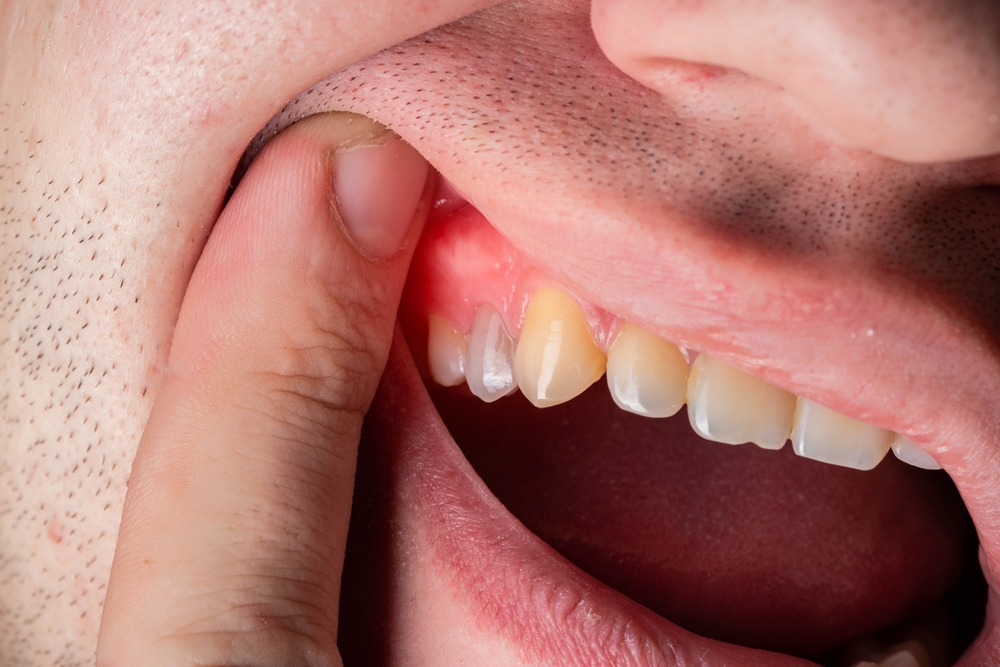
Gum swelling is a natural part of the healing process after most dental surgery, including tooth extractions. In normal healing, mild to moderate swelling peaks within 48-72 hours and gradually subsides over a week. Healthy healing is characterised by the following symptoms:
Any pain is typically manageable with over-the-counter painkillers and subsides over time.
However, gum swelling becomes a concern if it is excessive, persists beyond a week, or is accompanied by alarming symptoms. Signs of infection or complications include:
Physically, throbbing pain, intense sensitivity, or the loss of the protective blood clot (dry socket) indicate an unhealthy healing process.
If these symptoms occur, it’s crucial to seek prompt dental care to address possible infections or complications. Regularly monitoring the healing site and following post-operative instructions are essential to ensure normal recovery and prevent issues.
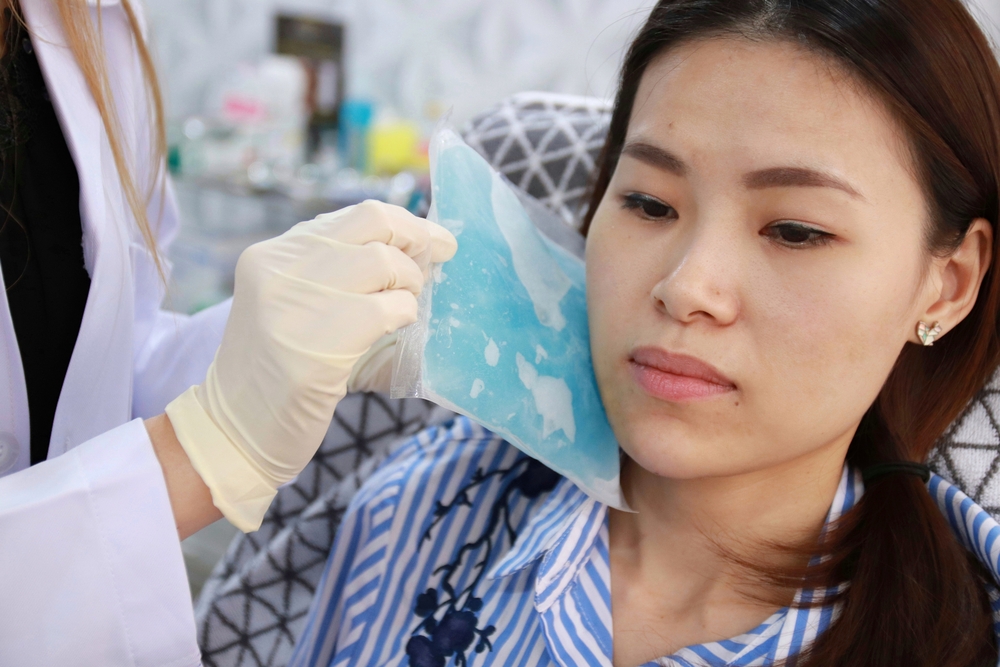
Puffy gums after tooth extraction are often caused by normal healing or minor inflammation, but can sometimes indicate infection. Applying a cold compress and rinsing with salt water can reduce swelling. Here are the 5 top remedies for puffy gums after a tooth extraction.
Using a cold compress is an effective way to reduce swelling after tooth extraction. Apply an ice pack or a bag of frozen peas wrapped in a cloth to the cheek near the affected area. Do this for 15-20 minutes at a time, with breaks in between, during the first 24-48 hours.
The cold temperature constricts blood vessels, limiting blood flow to the area and reducing inflammation, as well as numbing the tissue, providing pain relief. Avoid applying ice directly to the skin to prevent irritation or frostbite. This remedy works best in the initial phase of healing.
A warm salt water rinse helps cleanse the extraction site, reduce bacteria, and soothe irritated tissues. Dissolve half a teaspoon of salt in a glass of warm water. Gently swish the solution in your mouth for about 30 seconds without vigorous motion, then spit it out.
Do this 2-3 times daily, starting 24 hours after surgery. Salt has natural antiseptic properties that prevent infection, while the warmth increases blood flow and promotes healing. Avoid harsh rinsing to prevent dislodging the blood clot, which is crucial for proper recovery and to avoid complications like dry socket.
Anti-inflammatory medications, such as ibuprofen, help reduce swelling and manage pain after tooth extraction. Follow your dentist’s instructions or the dosage recommendations on the label.
These medications work by inhibiting the production of prostaglandins, chemicals in the body responsible for inflammation and pain. Taking them on schedule during the initial days post-surgery can minimise discomfort and swelling.
Avoid taking NSAIDs on an empty stomach to prevent irritation. If stronger painkillers are prescribed, use them as directed, but consult your dentist if swelling persists or worsens despite the medication.
Good oral hygiene prevents infection and supports healing. Brush and floss gently around the surgical site, avoiding direct contact with the extraction area for the first few days. Instead, use a soft-bristled toothbrush and clean other teeth as usual.
Rinsing with an antibacterial mouthwash, as recommended by your dentist, can help keep the mouth clean. Keeping the area free from bacteria and debris prevents inflammation and promotes faster recovery. Be careful not to dislodge the blood clot while cleaning, as this can lead to complications like dry socket and increased swelling.
Staying hydrated supports overall healing by maintaining moisture in tissues and aiding cellular repair. Drink plenty of water, but avoid straws, as the suction can dislodge the blood clot.
Smoking should be avoided entirely, as it introduces toxins that irritate gum tissue and delay healing. Additionally, smoking impairs blood flow, which is crucial for reducing inflammation and delivering nutrients to the affected area. Staying hydrated helps flush out toxins and maintain proper circulation, while avoiding smoking reduces the risk of complications such as infection, dry socket, and prolonged swelling.

Signs of infection after dental surgery, such as a tooth extraction, should never be ignored, as they can lead to severe complications if untreated. Key symptoms include persistent or worsening pain that doesn’t improve with medication, increased swelling that extends to the face or neck, and redness or warmth around the extraction site.
A foul taste or bad breath may indicate pus discharge, a hallmark of infection. Fever, chills, or swollen lymph nodes are systemic signs that the infection may be spreading. Another concerning symptom is the inability to fully open your mouth (trismus).
These symptoms are serious because untreated infections can progress to abscess formation, which can rapidly spread to surrounding tissues, the bloodstream (sepsis), or even critical areas like the brain.
Prompt treatment is essential to prevent complications. If you notice any of these signs, contact your dentist immediately. Treatment may involve antibiotics, drainage of abscesses, or further intervention to resolve the infection and ensure proper healing. Ignoring these symptoms can delay recovery, worsen pain, and pose risks to your overall health.
Healing after a tooth extraction requires proper care to ensure a smooth recovery and prevent complications like infections or dry socket. By following your dentist’s recommendations and adopting healthy practices, you can promote faster healing and reduce discomfort. Here are some effective tips:
The Eye and Dental Clinic excels in post-extraction care, providing expert advice on stopping bleeding, managing pain, and choosing the right foods for recovery. Their personalised guidance ensures you fully understand your procedure’s necessity, as not everyone has wisdom teeth, and many do not require removal, prioritising your health and comfort every step.
Concerned about puffy gums after a tooth extraction? Contact Eye and Dental Clinic today for expert care and personalised recovery advice to put your mind at ease.”
If you’re considering joining us at our clinic, check out patients’ pictures, testimonials or simply book your appointment.
Back to Blog

Discover how our advanced eye and dental treatments have helped patients see clearly, smile confidently, and live better with personalised care, comfort, and lasting results.
View More














Hemlata T
Had a deep clean today with Alla and Rachel, which was great, they were very gentle and even fixed a stubborn stain between my teeth, which they noticed during the...

Abs
Great service all around. Dr Uddin was knowledgeable, kind and put me at ease when having a chalazion removed. He helped me a lot with follow-up care for blepharitis, taking...
Amanda K
If I could give more than 5 stars for Mr J Uddin, I would. The reception staff were really polite and helpful. I had my chalazion removal surgery 2 months...
Nicole
Very satisfying. Dr J. Uddin removed a cyst on my upper lid. He explained everything to me before and during the procedure, and he has a very calming appearance. The...
Hemlata T
Had a deep clean today with Alla and Rachel, which was great, they were very gentle and even fixed a stubborn stain between my teeth, which they noticed during the...
Abs
Great service all around. Dr Uddin was knowledgeable, kind and put me at ease when having a chalazion removed. He helped me a lot with follow-up care for blepharitis, taking...
Amanda K
If I could give more than 5 stars for Mr J Uddin, I would. The reception staff were really polite and helpful. I had my chalazion removal surgery 2 months...
Nicole
Very satisfying. Dr J. Uddin removed a cyst on my upper lid. He explained everything to me before and during the procedure, and he has a very calming appearance. The...