
 01 Oct 2024
It’s normal to worry about heading to the dentist’s office, especially if it’s been a while. But they won’t judge you – they’re there to help.
Fear of the dentist is common, but dentists are there to help you, not hurt you. Their primary goal is to ensure your oral health and prevent problems before they become painful or serious.
Modern dentistry has also advanced significantly, making procedures more comfortable and efficient than ever before. Dentists are trained professionals and will always listen to your concerns before and during any dental treatments; if at any point you feel discomfort, you can let them know, and they will stop to address the issue or make adjustments to ensure you feel at ease.
For those anxious about pain, rest assured that dentistry now offers a variety of options to prevent discomfort during procedures. Local anaesthesia, sedation, and even numbing gels ensure that most dental work can be done with minimal or no pain.
Moreover, visiting the dentist regularly is essential, not something to delay until you’re experiencing pain. Regular check-ups and cleanings help detect and prevent issues like cavities, gum disease, and other oral health problems before they cause discomfort. Waiting for pain to emerge could mean the problem has already advanced, making treatment more complicated, so don’t let your fear of the dentist get in the way of having good dental hygiene.
There’s no need to be scared – your dentist is there to support you at every step.

Dentists don’t judge you for having bad teeth. Their job is to help, not criticise, and they understand that many factors can affect your dental health.
Rather than making you feel bad, they’ll want to understand why your teeth might not be in the best condition. Whether it’s neglecting dental hygiene due to fear, anxiety, or life circumstances, their goal is to support you and guide you toward creating healthy habits to achieve better oral health.
It’s also important to note that “bad teeth” are not always a result of poor care. Genetics can play a significant role in the condition of your teeth. Some people are born with thinner enamel, which makes their teeth more susceptible to decay, or they may have naturally crooked teeth or bite issues.
Some teeth may look unhealthy due to discolouration, which also does not mean that a person is not looking after their teeth or is a smoker, for example. Discolouration can be caused by health problems or certain medications, not necessarily poor brushing or flossing. Dentists understand these factors and will assess your situation carefully before offering advice.
If your teeth aren’t in the best shape, a dentist will help you figure out how to improve them moving forward. They may suggest changes in your brushing and flossing routine, recommend treatments, or offer advice on diet and lifestyle factors that could be impacting your oral health. Their focus is on solutions and prevention, not on what may have gone wrong in the past.
Ultimately, dentists want you to feel comfortable and confident about seeking care. They are there to help, not judge, and will work with you to ensure your teeth and gums are as healthy as possible.
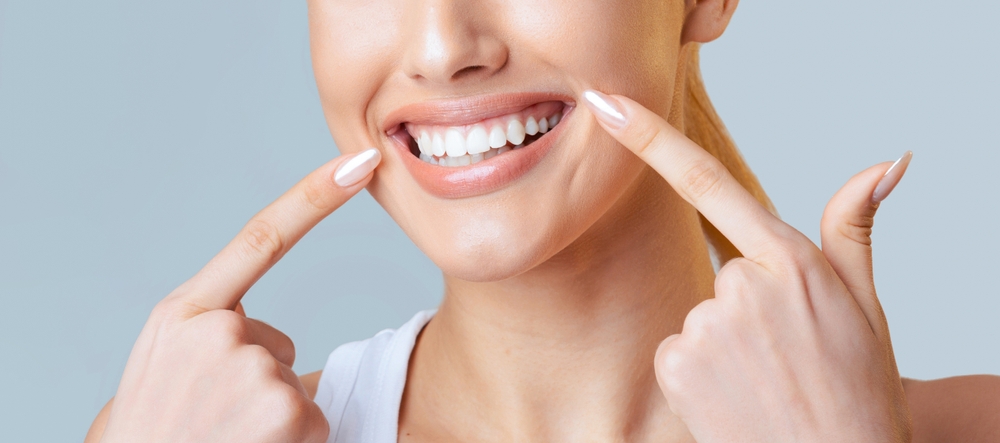
Your dentist will advise you on how to improve your oral health, but if you want to improve your teeth at home yourself before heading to the dentist, here are a few tips for better dental hygiene.
Quitting smoking has a significant positive impact on your oral hygiene. Smoking stains your teeth, leading to yellowing and staining over time, while also increasing the buildup of plaque and tartar. By stopping smoking, your teeth stay cleaner and whiter, making your smile brighter.
Smoking also contributes to bad breath caused by the lingering smell of tobacco and the growth of harmful bacteria in your mouth. Quitting helps freshen your breath and reduces the chances of gum disease.
Smoking cigarettes and vaping weaken your immune system, making it harder for your gums to fight infections and heal properly. When you quit, your gums begin to heal, reducing the risk of gum disease and tooth loss.
Additionally, quitting smoking lowers your risk of developing oral cancer. Tobacco use is a leading cause of mouth and throat cancers, so stopping significantly reduces this danger.
Smoking is, of course, harmful to your health in a number of other ways, so quitting cigarettes and vaping will also improve your physical health in the following ways:
Quitting smoking benefits your oral hygiene and your overall health, helping you lead a longer, healthier life.
Watching what you eat and drink plays a crucial role in improving your oral hygiene, mostly because sugary foods and drinks are a major culprit in tooth decay. When sugar combines with bacteria in your mouth, it creates acids that attack the enamel, leading to cavities and other dental issues. Limiting sugary snacks and especially sugary drinks like sodas, energy drinks, and sweetened juices can significantly reduce the risk of decay.
Sugary drinks are particularly harmful because they bathe your teeth in sugar, exposing them to harmful acids for longer periods. One way to minimise this impact is by using a straw. Drinking sugary beverages through a straw reduces the contact between the liquid and your teeth, helping to protect your enamel from excessive exposure; however, cutting them out altogether is much better for your teeth and overall health.
Aside from cutting down on sugar, opting for a balanced diet that includes plenty of fruits, vegetables, dairy, and whole grains can also promote better oral health. These foods help stimulate saliva production, which naturally cleanses your teeth and neutralises harmful acids. Plenty of vitamins are also necessary for your immune system to function well and fight off any infections.
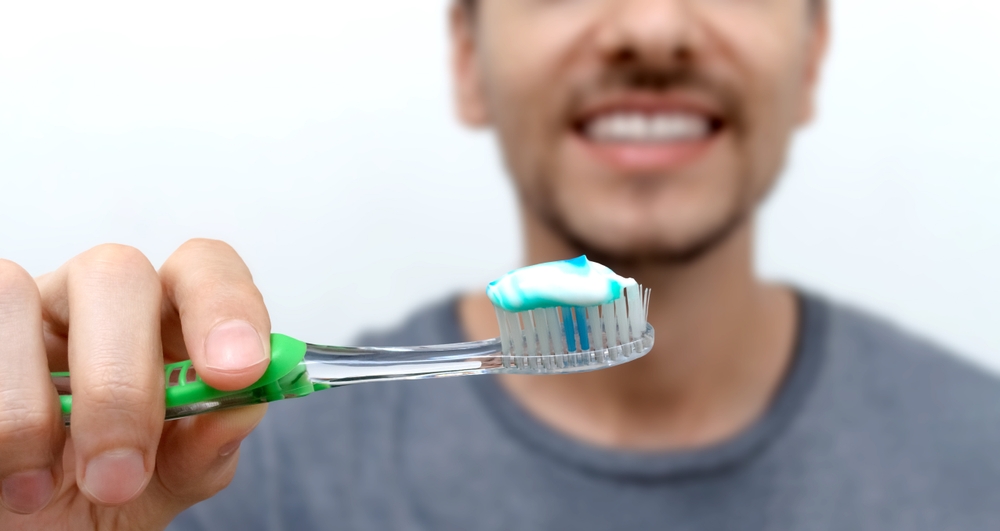
The main thing you can do to improve your oral health, if you don’t already, is practise good oral hygiene; that means having an excellent oral hygiene routine:
Practising good oral hygiene is essential for maintaining strong teeth and healthy gums. By following a consistent routine, you can prevent common issues like cavities, gum disease, and bad breath.
Regular brushing removes plaque, a sticky film of bacteria that forms on your teeth. If left unchecked, plaque can harden into tartar and lead to decay and gum infections.
Flossing is equally important, as it cleans the spaces between your teeth that brushing often misses. Bacteria and food particles can become trapped, leading to gum irritation and potential tooth decay if not removed.
Good oral hygiene also involves using mouthwash to kill bacteria, freshen breath, and provide an extra layer of protection for your teeth and gums. It’s important to visit the dentist regularly for professional cleanings and check-ups, which help catch problems early and prevent long-term damage.
Regular dental check-ups are essential for maintaining good oral hygiene and preventing serious dental issues. Dentists have the tools and expertise to clean hard-to-reach areas, remove tartar, and detect problems early, such as cavities, gum disease, or oral cancer.
You should never attempt to perform your own dental treatment. Without proper training and equipment, you risk causing infection, damaging your teeth, or worsening existing conditions. DIY dental care cannot replace the precision and safety of professional treatment.
Additionally, seeking dental care abroad, such as in Turkey, can also carry risks. While some clinics may offer cheaper procedures, they often come with lower standards of care. This can lead to complications, infections, or the need for corrective treatment once you return home.
For expert care, the Eye and Dental Clinic provides numerous treatment options. Including:
Book your appointment today with the experts at the Eye and Dental Clinic.


Discover how our advanced eye and dental treatments have helped patients see clearly, smile confidently, and live better with personalised care, comfort, and lasting results.
View More


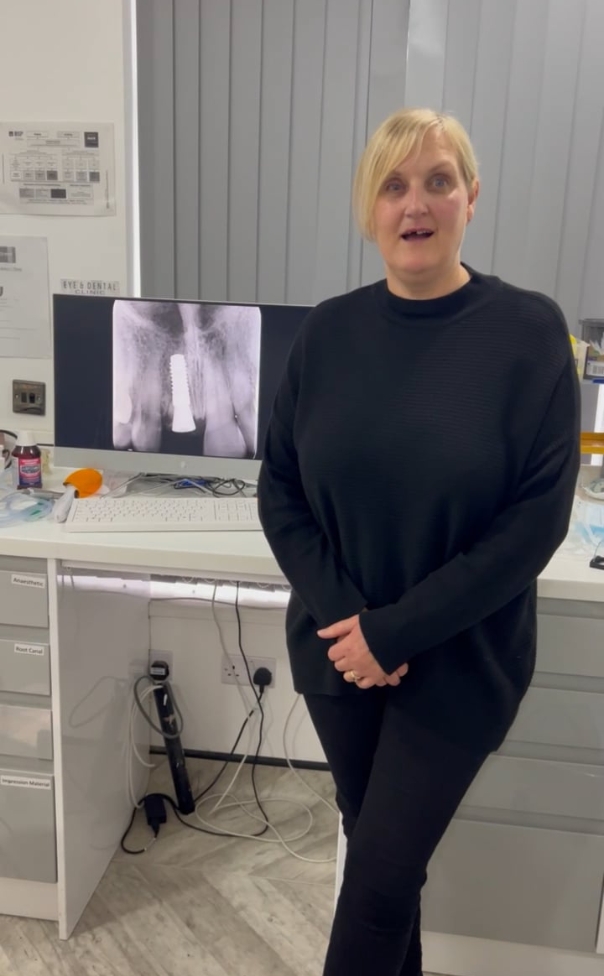




Hemlata T
Had a deep clean today with Alla and Rachel, which was great, they were very gentle and even fixed a stubborn stain between my teeth, which they noticed during the...

Abs
Great service all around. Dr Uddin was knowledgeable, kind and put me at ease when having a chalazion removed. He helped me a lot with follow-up care for blepharitis, taking...
Amanda K
If I could give more than 5 stars for Mr J Uddin, I would. The reception staff were really polite and helpful. I had my chalazion removal surgery 2 months...
Nicole
Very satisfying. Dr J. Uddin removed a cyst on my upper lid. He explained everything to me before and during the procedure, and he has a very calming appearance. The...
Hemlata T
Had a deep clean today with Alla and Rachel, which was great, they were very gentle and even fixed a stubborn stain between my teeth, which they noticed during the...
Abs
Great service all around. Dr Uddin was knowledgeable, kind and put me at ease when having a chalazion removed. He helped me a lot with follow-up care for blepharitis, taking...
Amanda K
If I could give more than 5 stars for Mr J Uddin, I would. The reception staff were really polite and helpful. I had my chalazion removal surgery 2 months...
Nicole
Very satisfying. Dr J. Uddin removed a cyst on my upper lid. He explained everything to me before and during the procedure, and he has a very calming appearance. The...