


 20 Oct 2024
Blurry vision can be caused by a variety of factors, ranging from simple issues like eye strain or dry eyes to more complex conditions such as refractive errors or cataracts. We’ll take a look at the underlying causes to ensure proper treatment.
Blurry vision can have several causes, from issues with your vision to straining your eyes. Let’s explore each area in more detail.
Refractive errors are one of the most common causes of blurry vision. They occur when the shape of the eye prevents light from focusing correctly on the retina, the light-sensitive layer at the back of the eye, causing vision problems. There are four main types of refractive errors:
Nearsightedness happens when the eye is too long, causing light to focus in front of the retina, making distant objects appear blurry.
Farsightedness occurs when the eye is too short, causing light to focus behind the retina, leading to blurred vision of nearby objects.
Astigmatism results from an irregularly shaped cornea, which distorts vision at all distances.
Presbyopia typically develops with age, as the lens becomes less flexible, making it harder to focus on close objects.
To address refractive errors, an eye exam is crucial to determine the exact problem. Prescription glasses or contact lenses are the most common and effective solutions, although laser eye surgery (e.g. LASIK) is another option for permanent correction. Regular eye check-ups are essential for managing changes in vision and maintaining overall eye health.
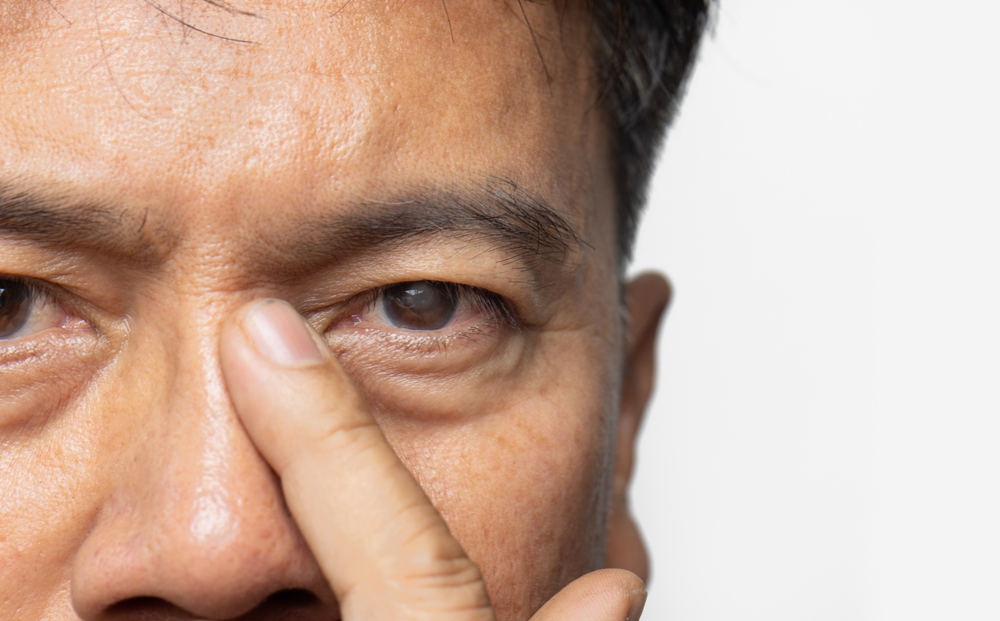
Cataracts are a leading cause of blurry vision, particularly in older adults. A cataract occurs when the normally clear lens of the eye becomes cloudy, obstructing the passage of light to the retina and leading to hazy, blurred, or dimmed vision.
Cataracts often develop gradually over time and can affect one or both eyes. In addition to blurry vision, other symptoms include:
Age-related cataracts are the most common type, but other factors like prolonged UV exposure, smoking, diabetes, certain medications (like corticosteroids), and eye injuries can also contribute to their formation.
The most effective treatment for cataracts is cataract surgery. This procedure involves removing the cloudy lens and replacing it with an artificial one (intraocular lens). It’s a safe and highly successful surgery with a quick recovery time.
In the early stages, stronger lighting, magnifying lenses, or updated prescriptions for glasses may help manage symptoms, but cataracts will generally worsen over time, so it’s important to regularly see your optician so they can advise on when you should see an ophthalmologist to determine when surgery is necessary.
Eye strain is a common cause of blurry vision, particularly in today’s screen-dominated environment. It occurs when the eyes are overworked from prolonged activities that require intense focus, such as reading, computer use, or driving.
Symptoms of eye strain include:
People who spend long hours on computers, smartphones, or other screens are especially prone to developing these issues. Poor lighting, improper viewing distances, or poor posture can exacerbate the problem.
To help alleviate eye strain and blurry vision, adopting the 20-20-20 rule is beneficial: every 20 minutes, look at something 20 feet away for 20 seconds. This allows your eyes to relax and refocus.
Additionally, reduce glare with anti-reflective coatings on your glasses or by adjusting your screen settings. For dry eyes, using artificial tears or taking more frequent breaks can help rehydrate the eyes. Maintaining proper lighting and ergonomics can also prevent strain from worsening.

Dry eyes can cause blurry vision. Dry eye syndrome occurs when the eyes do not produce enough tears or when the tears evaporate too quickly. Tears are crucial for maintaining clear vision because they provide moisture, lubrication, and protection for the surface of the eye; when there is insufficient tear production or the quality of tears is poor, the surface of the eye can become irritated, leading to blurry vision.
Blurred vision due to dry eyes often fluctuates. It may become worse after prolonged periods of reading, computer use, or being in a dry or windy environment. This happens because inadequate tear film prevents the eyes from maintaining a smooth, consistent surface, causing light to scatter irregularly and distort vision.
Several other factors can cause dry eyes, such as ageing, hormonal changes (especially in women during menopause), certain medications (e.g. antihistamines, antidepressants), other medical conditions or eye problems (e.g. a chalazion blocking the tear duct), environmental conditions (e.g. dry air, wind, pollen), and excessive screen time, which leads to decreased blinking.
There are several treatment options for dry eyes, but if symptoms persist or worsen, an eye care professional can recommend the most appropriate treatment for you, depending on the cause.
Dry eyes can have a significant impact on eye health if left untreated. When the eyes don’t produce enough tears or the tear quality is poor, the protective tear film on the surface of the eye becomes disrupted, leaving the eyes vulnerable to damage. Over time, this can lead to more serious complications that affect vision and overall eye health.
One major concern is corneal damage. The cornea, the clear outer layer of the eye, relies on an adequate tear film to stay hydrated and protected. Without sufficient moisture, the cornea can become inflamed or develop corneal abrasions – tiny scratches that make the eyes more prone to infections.
In severe cases, this can lead to corneal ulcers, which are painful sores on the cornea that can result in scarring and vision impairment if not treated promptly, so you should seek medical care if you cannot ease your symptoms yourself in a few days.
Chronic dry eyes can also cause inflammation of the eyelids (blepharitis) or lead to conjunctivitis (inflammation of the membrane covering the eye). Both conditions can exacerbate discomfort and further blur vision. Managing dry eyes is essential to prevent these complications.
Even though dry eyes do not directly cause blindness or conditions like vitreous detachment, if dry eye symptoms persist or worsen, seeking professional treatment is crucial to prevent long-term damage and preserve clear vision.
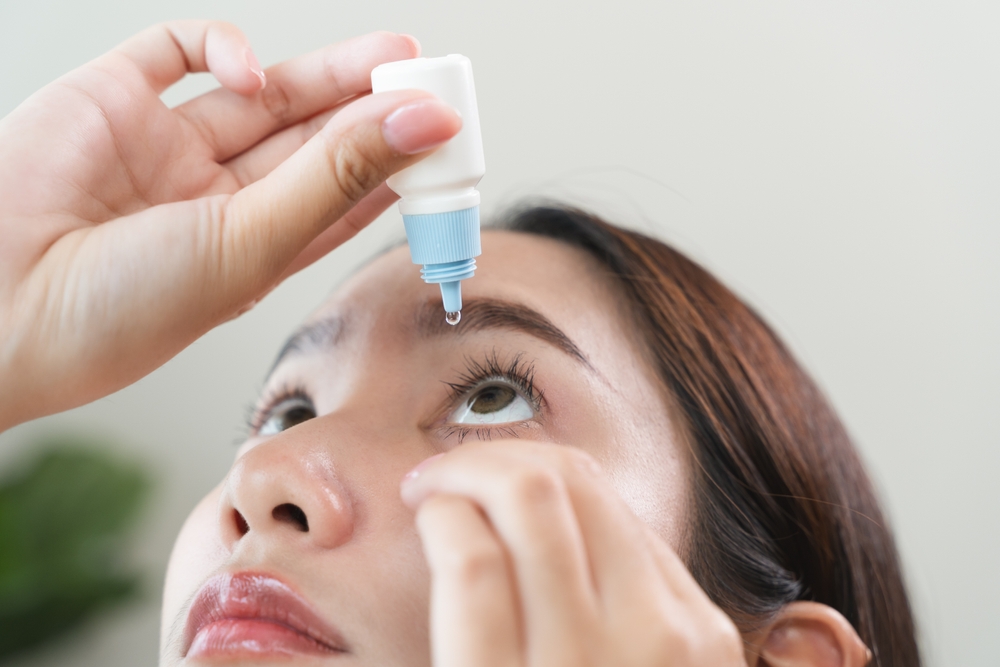
If you’re dealing with dry eyes, there are several simple and effective ways to manage your symptoms at home. One of the easiest things you can do is increase your fluid intake. Staying hydrated is key for maintaining healthy tear production, so drinking enough water – at least eight glasses a day – can make a big difference.
Another great remedy is using warm compresses. Applying a warm cloth to your closed eyelids helps stimulate the oil glands in your eyes, preventing tears from evaporating too quickly. It’s a soothing way to relieve discomfort and improve tear quality.
If you spend a lot of time in front of screens, take regular breaks to reduce strain. Following the 20-20-20 rule can really help.
You can also make your environment more eye-friendly by using a humidifier. Dry air – whether from heaters or air conditioning – can make dry eyes worse, so adding moisture to the air will help keep your eyes from drying out, especially when you first wake up. When you’re outdoors on windy days, wearing wraparound sunglasses can also shield your eyes from wind and dust, which aggravate dryness.
Using artificial tears or lubricating eye drops is another easy fix. Just make sure to choose preservative-free drops if you need to use them frequently, as preservatives can irritate.
However, if your dry eyes persist despite these remedies, it’s time to consult a specialist. Don’t wait more than a week to try to manage symptoms yourself, as you don’t want to cause further problems. While you cannot cure dry eyes, specialists can offer more advanced treatments, like prescription eye drops, to help keep your eyes comfortable and maintain your vision.
The specialists at the Eye and Dental Clinic can help you relieve your dry eyes. Book an appointment today, or take a look at our emergency treatments if you need urgent help.
Read more information about dry eyes on our blog page, or contact us for more information.
Back to Blog

Discover how our advanced eye and dental treatments have helped patients see clearly, smile confidently, and live better with personalised care, comfort, and lasting results.
View More



















Hemlata T
Had a deep clean today with Alla and Rachel, which was great, they were very gentle and even fixed a stubborn stain between my teeth, which they noticed during the...

Abs
Great service all around. Dr Uddin was knowledgeable, kind and put me at ease when having a chalazion removed. He helped me a lot with follow-up care for blepharitis, taking...
Amanda K
If I could give more than 5 stars for Mr J Uddin, I would. The reception staff were really polite and helpful. I had my chalazion removal surgery 2 months...
Nicole
Very satisfying. Dr J. Uddin removed a cyst on my upper lid. He explained everything to me before and during the procedure, and he has a very calming appearance. The...
Hemlata T
Had a deep clean today with Alla and Rachel, which was great, they were very gentle and even fixed a stubborn stain between my teeth, which they noticed during the...
Abs
Great service all around. Dr Uddin was knowledgeable, kind and put me at ease when having a chalazion removed. He helped me a lot with follow-up care for blepharitis, taking...
Amanda K
If I could give more than 5 stars for Mr J Uddin, I would. The reception staff were really polite and helpful. I had my chalazion removal surgery 2 months...
Nicole
Very satisfying. Dr J. Uddin removed a cyst on my upper lid. He explained everything to me before and during the procedure, and he has a very calming appearance. The...