
 15 Feb 2024
Dry eyes can be a nuisance when symptoms first arise, and when left untreated, can lead to extreme discomfort and pain, as well as further complications with your eye health. Treating dry eyes isn’t as simple as just using eye drops; however, the best way to treat dry eyes depends on why a person has dry eyes in the first place.
So, to answer the question “Does drinking water help dry eyes?” For some people, yes, while for others, the treatment can be more complicated and require a different solution.

There are several main causes for dry eyes, which must be identified in order to find the best treatment for dry eye symptoms. These are:
Each cause requires a different treatment plan, as symptoms can subside over a few days of changes to the diet and lifestyle, or even go away on their own. However, if the treatment takes too long and puts your eye health at risk, you should start to use eye drops to relieve discomfort and prevent other issues like eye infections.
Most dry eyes caused by environmental factors will clear up naturally on their own once the cause has been eliminated. For example, if you have spent several hours in an air-conditioned room or on an aeroplane, you may feel like your eyes are dry and uncomfortable. However, a few hours after leaving the room or the plane, your eyes should go back to normal and feel sufficiently moist again.
However, if you work full-time from a computer or laptop and aren’t able to change your work habits, it’s more difficult to treat your dry eyes. You can try to look away from your screen at something 20 feet away for 20 seconds every 20 minutes to rest your eyes (known as the 20:20:20 rule), but you may still require eye drops if your eyes are severely dry, stinging or burning and affecting your vision.

The main problematic lifestyle factors that cause dry eyes are:
Tears are made up of several components to ensure they’re sufficiently moist as well as stay on our eyes for longer and clean them effectively. So you need enough water as well as healthy oils in your diet to maintain the lipid and mucus content of your tears to prevent dry eyes.
These lifestyle factors are therefore relatively easy to treat, as you simply need to drink more water or increase your vitamin A or omega-3 oil intake.
Vitamin A can be found in:
If you have a vitamin A deficiency, you should make sure you include some of these foods in your diet; however, don’t overdo any of the products, especially if you’re pregnant, as too much liver may be problematic for pregnant women.
Omega-3 oils can be found in:
As vitamin A and omega-3 are predominantly found in fish, it can be difficult for vegans to get sufficient nutrients in their diet. If you’re vegan or vegetarian, you should consider taking vitamin supplements and using algae oil instead of cod liver oil.
Some medical conditions or the medication used to treat the condition cause dry eyes as a symptom, making it more difficult to treat dry eyes; however, crucial to go to your GP or eye specialist with your concerns to identify or rule out a health condition.
Some conditions that cause dry eyes include:
Medicines that cause dry eyes include:
Hormone changes can also cause dry eyes, so Hormone Replacement Therapy is another common cause of dry eyes, and women are much more likely than men to experience dry eyes as their hormones fluctuate significantly during the menstrual cycle, pregnancy and the menopause.
If you have developed dry eyes as a result of a medication you’re taking, speak to your healthcare provider to see if you can change your medication to relieve your symptoms. However, don’t stop taking any medication without first speaking to a medical professional to ensure it’s safe to do so.

Dehydration can cause many issues across the body as every organ and bodily function requires sufficient fluid to work properly. Your eyes also require sufficient fluid to maintain the fluid on the inside of your eye, as well as to sufficiently lubricate your eyes to enable comfortable blinking and allow your eyes to be cleaned effectively. So if you regularly drink less than 1.5 litres of water per day and have dry eyes, you will likely benefit from increasing your fluid intake to enable sufficient tear production.
If you’re not sure why you have dry eyes all of a sudden, it’s also worth increasing your water consumption to see if the condition subsides before seeking further treatment.
However, for some people, dry eyes aren’t caused by a lack of tear production, but by poor-quality tear production. Good-quality tears are made of water, proteins, lipids, mucus, and electrolytes, all of which are needed for your tears to effectively moisturise your eyes and clear them of debris and dust particles. In this case, the main symptom of dry eyes is often overly watery eyes, as the body responds to insufficiently moisturised eyes by overproducing low-quality tears, which can stream from the eyes.
Therefore, for people with dry eyes due to low-quality tears and watery eyes, drinking more water will not help them clear their eyes or reduce their symptoms. They should, however, maintain a healthy level of hydration and not try to reduce symptoms by decreasing their fluid intake.
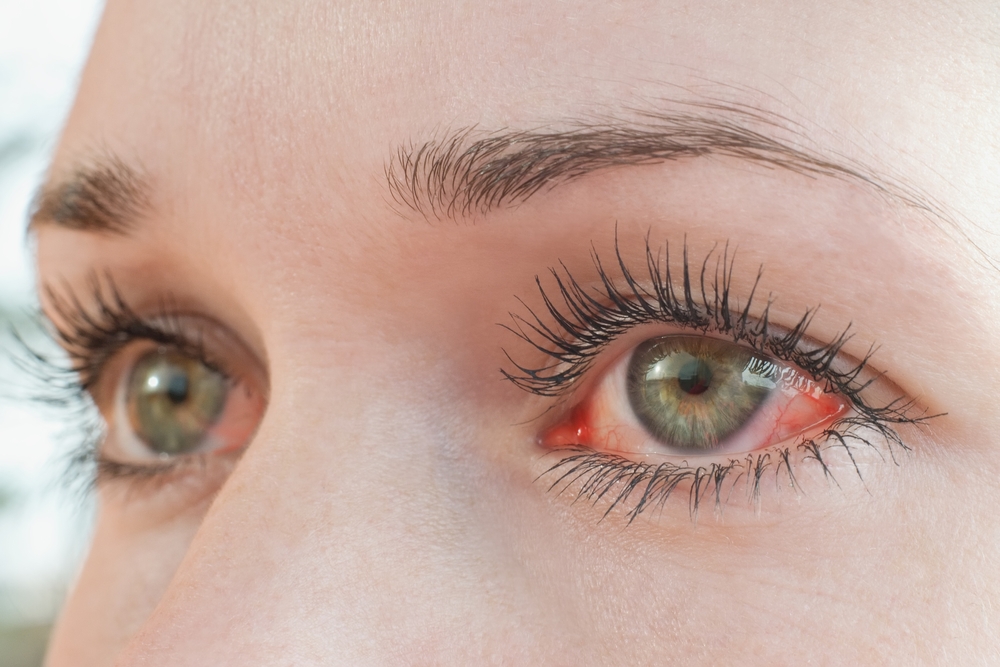
Addressing dry eyes is crucial for maintaining ocular health and overall well-being, as dry eyes can lead to discomfort, irritation, and blurred vision. If left untreated, dry eyes may contribute to corneal damage due to constant irritation, increasing the risk of infections and impairing vision. However, dry eyes will not lead to permanent vision loss unless they have caused an infection, such as blepharitis or conjunctivitis, which is then also left untreated.
Chronic dry eye syndrome can negatively impact daily activities, such as reading or using electronic devices, diminishing the quality of life, especially in older age, as people become less physically active. Despite their prevalence in older age, dry eyes have not been found to cause vitreous detachment or headaches, although people often experience both symptoms.
It’s, therefore, crucial to see an eye specialist or GP about symptoms of dry eyes if they last more than a few days or cause severe discomfort, so they can be treated.
Dry eyes are a common condition for people over the age of 50, especially women, and unfortunately, there is no cure. However, eye drops are an effective solution for treating dry eyes when changing the environment or diet isn’t sufficient.
There are many different types of eye drops available from pharmacies, most of which can be bought over the counter without the need for a prescription. However, to find the best eye drops for you, you should seek advice from an eye specialist; when you know the cause of your dry eyes (insufficient tear production, low-quality tears or excessive tear evaporation), it’s much easier to treat the symptoms.
When using eye drops, you should also ensure you press gently on the tear duct to prevent the drops from draining too quickly and not sufficiently lubricating your eyes.
The Eye and Dental Clinic have an expert team of ophthalmologists ready to help you with any eye condition, from dry eyes to chalazia. Read our latest news to learn more about eye health, contact us to see if we can help with your condition, or simply book an appointment today.
Back to Blog

Discover how our advanced eye and dental treatments have helped patients see clearly, smile confidently, and live better with personalised care, comfort, and lasting results.
View More
















Hemlata T
Had a deep clean today with Alla and Rachel, which was great, they were very gentle and even fixed a stubborn stain between my teeth, which they noticed during the...

Abs
Great service all around. Dr Uddin was knowledgeable, kind and put me at ease when having a chalazion removed. He helped me a lot with follow-up care for blepharitis, taking...
Amanda K
If I could give more than 5 stars for Mr J Uddin, I would. The reception staff were really polite and helpful. I had my chalazion removal surgery 2 months...
Nicole
Very satisfying. Dr J. Uddin removed a cyst on my upper lid. He explained everything to me before and during the procedure, and he has a very calming appearance. The...
Hemlata T
Had a deep clean today with Alla and Rachel, which was great, they were very gentle and even fixed a stubborn stain between my teeth, which they noticed during the...
Abs
Great service all around. Dr Uddin was knowledgeable, kind and put me at ease when having a chalazion removed. He helped me a lot with follow-up care for blepharitis, taking...
Amanda K
If I could give more than 5 stars for Mr J Uddin, I would. The reception staff were really polite and helpful. I had my chalazion removal surgery 2 months...
Nicole
Very satisfying. Dr J. Uddin removed a cyst on my upper lid. He explained everything to me before and during the procedure, and he has a very calming appearance. The...