
 11 Apr 2024
Vaping is an increasingly common practice, but does it cause gum disease, and what’s the best way to treat it? Let’s take a look.

Gum disease is a chronic condition that affects the health of the gums and tissue that support the structure of the teeth. In its initial stages, gum disease is known as gingivitis, and after development, when more serious symptoms occur, it’s known as periodontal disease, which is one of the leading causes of tooth loss for adults.
Maintaining good oral hygiene is the best way to prevent gum disease, as it begins with the accumulation of bacteria on the teeth, causing plaque to build up and form tartar. The tartar sticks to the enamel, causing tooth decay and cavities to form as well as irritating the gums, causing inflammation and infections, known as dental abscesses. Regular brushing and flossing will help remove the bacteria and prevent the plaque from forming to an extent; however, it’s natural for some plaque to remain in the gaps between the teeth, which are harder to clean.
This is why regular appointments with a dentist and dental hygienist are essential, as they can help remove any plaque or tartar from your teeth to improve your oral hygiene and prevent symptoms of gum disease from occurring, including:
Without care at home and with a dentist, gum disease can progress quickly and cause teeth to fall out.

Gum disease is usually caused by poor oral hygiene, but can be caused by a number of other factors such as diabetes, hormonal changes, genetics and smoking.
While traditional tobacco smoking is well-documented to significantly increase the risk of gum disease, the specific impact of vaping on gum health is not as thoroughly understood, as it is still a relatively recent practice. However, there is evidence suggesting that vaping is likely to also contributes to gum disease.
Nicotine is known to constrict blood vessels and reduce blood flow, impairing the body’s ability to fight infections, including those in the gums, so e-cigarettes and vapes containing nicotine are likely to contribute to the development of gum disease.
Moreover, vaping is known to cause a dry mouth, which can increase the risk of gum disease as saliva plays an important role in removing food particles and bacteria from the mouth, without which, bacteria can thrive, leading to gum inflammation. Removing the presence of saliva also affects the oral microbiome, as saliva neutralises the acids present in food that cause tooth decay, so vaping can enhance tooth decay by causing a dry mouth as well as harming gum tissue from the chemicals and sugars in the vape fluid.
While the long-term effects of vaping on dental health are still being studied, it’s clear that it can have detrimental effects, and individuals who vape should prioritise good dental hygiene and regular dental check-ups to mitigate potential risks. You can also talk to your dentist and GP about getting help quitting vaping.
Vaping is much less harmful to your overall health than smoking and is still recommended as a method to help stop smoking. However, while it may have a lower risk of causing oral health problems, vaping is still harmful to your oral and overall physical health.
When comparing vaping to smoking, vaping is generally considered to be less harmful to oral health. Smoking of cigarettes, pipes, cigars and cannabis cigarettes involves burning a product to inhale the smoke, which produces a range of harmful chemicals and toxins that can contribute to various oral health problems, including gum disease, tooth decay, and oral cancer. Not all smokers develop gum disease, but smoking significantly increases the risk of developing it.
Vaping, on the other hand, typically involves heating a liquid to produce a cloud of water vapour and chemicals, which is then inhaled. While vaping still introduces chemicals and potentially harmful substances into the body, the process generally produces fewer toxins and lower levels of harmful compounds compared to traditional smoking.
So, while vaping may be considered a less harmful alternative to traditional smoking when it comes to oral health, vaping is not entirely risk-free, and it can still have significant negative effects, including causing tooth decay and gum disease.

Gum disease cannot be cured, so you should try to prevent it as much as possible. However, once symptoms have begun, as is natural at a certain age, you need to stay on top of your symptoms to prevent them from worsening.
Treating gum disease typically involves a combination of:
By regularly brushing with fluoride toothpaste and a soft or medium-bristle toothbrush, flossing between teeth and rinsing your mouth with mouthwash, you can effectively manage your symptoms of gum disease and prevent the condition from getting worse and causing tooth loss. But good oral hygiene isn’t always enough. You should also make regular appointments with your dentist or dental hygienist to have your teeth professionally cleaned, such as through scaling and root planing, to ensure that most of the plaque is removed to prevent tooth decay and gum inflammation.
However, prevention is always better than cure, so while you may already have some symptoms of gum disease, making lifestyle changes to prevent further harm to your teeth is as crucial as removing the bacteria. Eating a low-sugar diet with plenty of nutrients to boost your immune system, quitting smoking and vaping, and engaging in methods to stop clenching or grinding of your teeth can all help to prevent gum disease from worsening.
In more serious cases, you can also have surgical procedures such as flap surgery or bone grafts to regenerate tissue and improve your oral health.
Early detection and treatment of gum disease are crucial for successful outcomes, so regular routine dental appointments are crucial to stay on top of your oral health and prevent dental emergencies.
While there are steps you can take at home to improve gum health, treating gum disease without professional dental care is not recommended, as it’s not as effective and will likely cause the condition to progress, leading to tooth and tissue degradation and loss.
Maintaining good oral hygiene can help improve gum health and may slow the progression of early-stage gum disease, but it’s not a substitute for professional dental care.
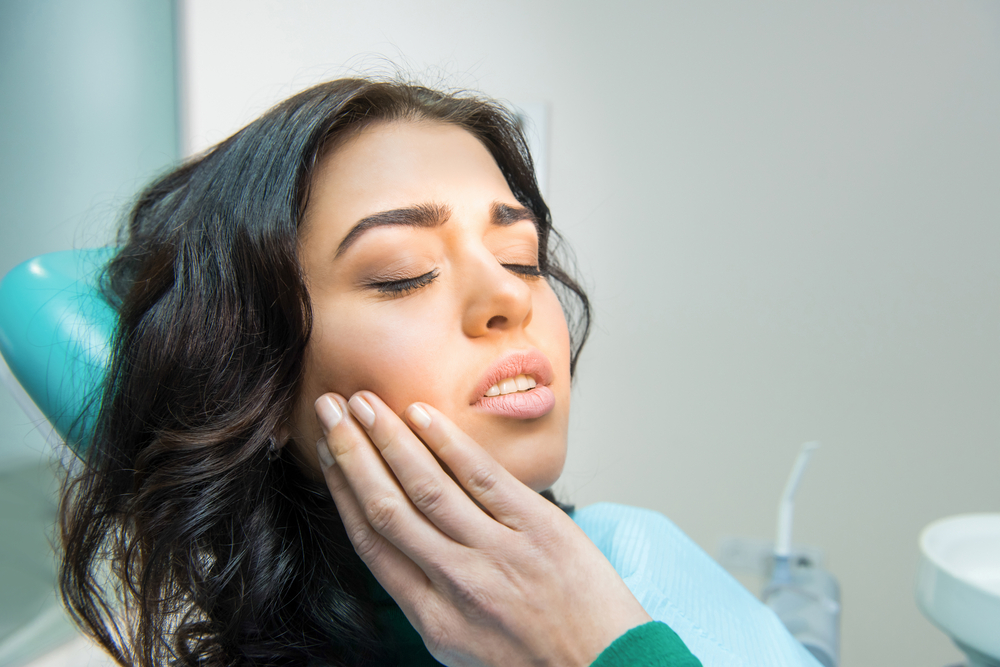
To access emergency dental treatment in the UK, contacting your regular dentist during office hours or seeking out-of-hours services if necessary is the first step. If your dentist is unavailable, NHS 111 can provide guidance on finding emergency dental care near you.
Costs for emergency treatment vary depending on the severity of the issue and whether care is received through the NHS or privately. Symptoms requiring emergency dental treatment include:
While it’s natural to panic over the severity of your symptoms, avoid visiting A&E departments for dental issues unless symptoms are life-threatening, as A&E is not equipped for routine dental care and will turn you away. If you’re not sure whether your symptoms require an emergency appointment, NHS 111 or your dental receptionist can advise.
Routine dental appointments play a vital role in maintaining optimal oral health by allowing dentists to detect and address issues early, preventing them from progressing into more significant problems. Early detection enables prompt treatment, which can often be less invasive and costly than addressing advanced issues.
In cases where teeth are damaged, discoloured, or misaligned, treatments such as composite bonding and veneers can restore both function and appearance, not only allowing for proper chewing and speech, but also enhancing confidence by improving the appearance of the smile.
If you want to enquire about composite bonding, composite veneers, or their cost, contact the Eye and Dental Clinic today!
Back to Blog

Discover how our advanced eye and dental treatments have helped patients see clearly, smile confidently, and live better with personalised care, comfort, and lasting results.
View More











Hemlata T
Had a deep clean today with Alla and Rachel, which was great, they were very gentle and even fixed a stubborn stain between my teeth, which they noticed during the...

Abs
Great service all around. Dr Uddin was knowledgeable, kind and put me at ease when having a chalazion removed. He helped me a lot with follow-up care for blepharitis, taking...
Amanda K
If I could give more than 5 stars for Mr J Uddin, I would. The reception staff were really polite and helpful. I had my chalazion removal surgery 2 months...
Nicole
Very satisfying. Dr J. Uddin removed a cyst on my upper lid. He explained everything to me before and during the procedure, and he has a very calming appearance. The...
Hemlata T
Had a deep clean today with Alla and Rachel, which was great, they were very gentle and even fixed a stubborn stain between my teeth, which they noticed during the...
Abs
Great service all around. Dr Uddin was knowledgeable, kind and put me at ease when having a chalazion removed. He helped me a lot with follow-up care for blepharitis, taking...
Amanda K
If I could give more than 5 stars for Mr J Uddin, I would. The reception staff were really polite and helpful. I had my chalazion removal surgery 2 months...
Nicole
Very satisfying. Dr J. Uddin removed a cyst on my upper lid. He explained everything to me before and during the procedure, and he has a very calming appearance. The...