

 14 Jan 2025
Wondering how long bleeding should last after a tooth extraction? This guide explains the normal healing process, when to seek help, and tips for managing post-extraction bleeding effectively.
Understanding what to expect following a tooth extraction helps you to prepare for and manage the recovery process. On the first night, some bleeding is normal, so don’t worry if your socket is leaking a little blood. Bite gently on the gauze provided by your dentist to control it, replacing it as needed if the bleeding doesn’t stop the first time.
Avoid rinsing or spitting forcefully to prevent dislodging the clot that forms in the socket, which is essential for healing.
Mild bleeding may persist for several hours. If it continues beyond 24 hours or is excessive, consult your dentist. Pain or discomfort is common after your tooth extraction once the local anaesthetic wears off. This discomfort typically peaks within the first 24-48 hours and will gradually subside as the swelling goes down and the area heals.
Pain can be managed with over-the-counter medications like ibuprofen or paracetamol, and rarely requires prescription medication. Avoid aspirin, as it thins the blood and can increase the risk of bleeding.
Swelling around the extraction site, jaw, or cheek is expected due to the nature of the procedure and may last 2-3 days. Applying a cold pack to the outside of your cheek for 10-15 minute intervals during the first 24 hours can reduce swelling and discomfort.
Eating may be difficult initially. Stick to soft foods like scrambled eggs, mashed potatoes, or soup, avoiding anything too hot or cold, crunchy, or sticky. You must also refrain from using straws, as the suction can disrupt the healing clot.
Follow your dentist’s instructions for aftercare, including gentle oral hygiene around the extraction site. By taking these steps, you can ensure a smoother recovery and reduce the risk of complications such as dry socket or infection. If symptoms worsen, you must seek professional advice promptly.
After a tooth extraction, it’s important to monitor your recovery and recognise when to seek help. Excessive bleeding that doesn’t subside after applying pressure for 30-45 minutes requires immediate attention. Other symptoms that require immediate attention from a hospital A&E department include:
For minor complications like persistent discomfort, signs of dry socket (intense pain and a bad taste in your mouth), or a delayed healing process, contact your dentist for advice. Swelling or bruising that worsens after the first few days or unusual discharge from the extraction site should also be reported.
Promptly addressing these issues can prevent complications and ensure a smoother recovery. When in doubt, it’s better to err on the side of caution and seek professional guidance, so don’t hesitate to give your dental practice a call for advice or reassurance.
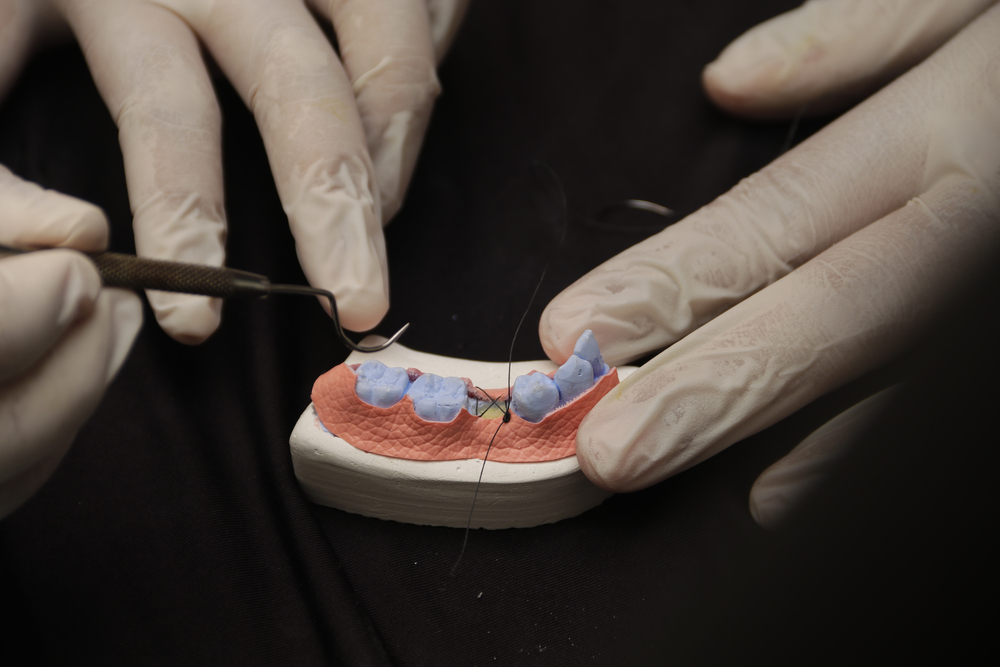
Bleeding after a tooth extraction is a natural part of the healing process. It typically lasts 24 to 48 hours, gradually reducing as a clot forms in the empty socket. This clot is essential for proper healing, as it protects the wound and helps new tissue develop. During this time, you may notice some oozing or spotting, which is normal.
To manage bleeding, gently bite down on the gauze provided by your dentist, applying pressure for 20-30 minutes. Avoid activities that could disrupt the clot, such as rinsing vigorously, spitting, brushing your teeth around the extraction site, eating crunchy foods, using a straw, smoking, or drinking alcohol. Resting with your head elevated and avoiding strenuous activities can also help minimise bleeding.
While mild bleeding is expected, prolonged or heavy bleeding may signal an issue and require professional attention. For instance, if you need to change your gauze frequently due to soaking or if bleeding continues beyond two days without improvement, contact your dentist.
Certain factors, such as blood-thinning medications, underlying medical conditions, or trauma to the area, may increase bleeding. Be sure to inform your dentist of any relevant medical history before the procedure.
Occasionally, minor disturbances, like accidentally dislodging the clot, can cause the bleeding to restart. If this occurs, repeat the pressure application with fresh gauze. However, if the bleeding persists or worsens, seeking professional advice is essential to rule out complications like a dry socket or infection.
Understanding what’s normal and taking preventive measures ensures a smoother recovery and helps avoid unnecessary concerns after your tooth extraction.
If you notice any of the following signs alongside bleeding after your tooth extraction, you should contact your dentist for advice:

Managing bleeding after a tooth extraction is crucial for proper healing and to prevent complications. Biting gently on clean gauze pads helps apply consistent pressure, encouraging clot formation at the extraction site. Change the gauze every 20-30 minutes until the bleeding stops or lessens significantly, ensuring it doesn’t become overly saturated.
Keeping your head elevated while resting reduces blood flow to the area, minimising bleeding. Use extra pillows at night or recline in a chair during the day. Avoid activities that disrupt the clot, such as spitting, rinsing, or using straws, as these create suction that can dislodge the clot.
Also, refrain from vigorous exercise as the blood flow may cause the bleeding to restart and worsen swelling. Rest is also essential – avoiding physical activity allows your body to focus on healing. Additionally, applying a cold compress to the outside of your cheek near the extraction site helps constrict blood vessels, reducing bleeding and associated swelling.
Stemming bleeding promptly is important because prolonged or heavy blood loss can lead to infections or dry socket, delaying recovery. If bleeding continues beyond 24 hours, contact your dentist for guidance.
For heavy blood loss that doesn’t improve despite home care, seek immediate medical attention by calling 111, as this could signal a serious problem. Quick action ensures proper healing, minimises discomfort, and helps avoid further health risks. Always prioritise safety and consult your dentist or hospital if you’re uncertain.
Here are 5 tips to manage bleeding after a tooth extraction:

The Eye and Dental Clinic plays a crucial role in supporting your recovery after dental procedures like tooth extractions. Their expert care and advice ensure the process is safe and tailored to your specific needs.
Experienced dentists carefully assess your condition before the procedure, explaining what to expect and how to prepare. After the extraction, they provide comprehensive aftercare support, including personalised instructions to manage bleeding, reduce swelling, and minimise discomfort, helping you heal faster and avoid complications.
Not every wisdom tooth needs to be extracted, and unnecessary extractions can be avoided with proper guidance. The Eye and Dental Clinic’s dentists will thoroughly evaluate your situation, considering factors like the tooth’s position, impact on adjacent teeth, and the presence of symptoms such as pain or infection. They’ll advise you when extraction is necessary, such as when the tooth is causing problems, and when it can be safely left in place.
During recovery, the Eye and Dental Clinic also monitors your healing, addressing concerns like prolonged bleeding, infection, or dry socket promptly. With their expertise, you’ll feel reassured knowing you’re in capable hands. Trusting the Eye and Dental Clinic not only ensures a smooth recovery but also empowers you with the right knowledge for long-term oral health.
Experiencing prolonged bleeding after a tooth extraction? Contact Eye and Dental Clinic today for expert advice and professional care to ensure a smooth recovery.
If you’re considering joining us, check out patients’ pictures, testimonials or simply book your appointment.
Back to Blog

Discover how our advanced eye and dental treatments have helped patients see clearly, smile confidently, and live better with personalised care, comfort, and lasting results.
View More














Hemlata T
Had a deep clean today with Alla and Rachel, which was great, they were very gentle and even fixed a stubborn stain between my teeth, which they noticed during the...

Abs
Great service all around. Dr Uddin was knowledgeable, kind and put me at ease when having a chalazion removed. He helped me a lot with follow-up care for blepharitis, taking...
Amanda K
If I could give more than 5 stars for Mr J Uddin, I would. The reception staff were really polite and helpful. I had my chalazion removal surgery 2 months...
Nicole
Very satisfying. Dr J. Uddin removed a cyst on my upper lid. He explained everything to me before and during the procedure, and he has a very calming appearance. The...
Hemlata T
Had a deep clean today with Alla and Rachel, which was great, they were very gentle and even fixed a stubborn stain between my teeth, which they noticed during the...
Abs
Great service all around. Dr Uddin was knowledgeable, kind and put me at ease when having a chalazion removed. He helped me a lot with follow-up care for blepharitis, taking...
Amanda K
If I could give more than 5 stars for Mr J Uddin, I would. The reception staff were really polite and helpful. I had my chalazion removal surgery 2 months...
Nicole
Very satisfying. Dr J. Uddin removed a cyst on my upper lid. He explained everything to me before and during the procedure, and he has a very calming appearance. The...