
 27 Oct 2024
We’ll cover everything you need to know about the best dry eye treatments and their costs.
Dry eyes can become a significant issue if left untreated. While dry eye syndrome won’t lead to blindness or cause conditions like vitreous detachment, it can gradually impact your vision.
Persistent dry eyes lead to blurry vision over time, significantly impacting your daily life. This occurs because adequate tear production is essential for nourishing and lubricating the eye surface, which in turn supports clear vision.
For mild cases of dry eyes due to environmental factors such as dry air or excessive screen exposure, self-treatments like using artificial tears or a humidifier can often relieve symptoms within a few days. However, if the symptoms persist, it’s wise to consult an eye specialist to prevent further complications.
Untreated dry eye syndrome can heighten the risk of eye infections, such as conjunctivitis and blepharitis. These infections are more likely to occur because tears act as a protective barrier against harmful bacteria and debris. Without sufficient tears, the eye becomes vulnerable to these irritants, leading to discomfort, redness, and potential inflammation.
Early treatment can help maintain your eye health and prevent the condition from advancing to the point of impacting your vision long-term. Therefore, recognising and addressing dry eyes promptly is essential for safeguarding both comfort and vision.
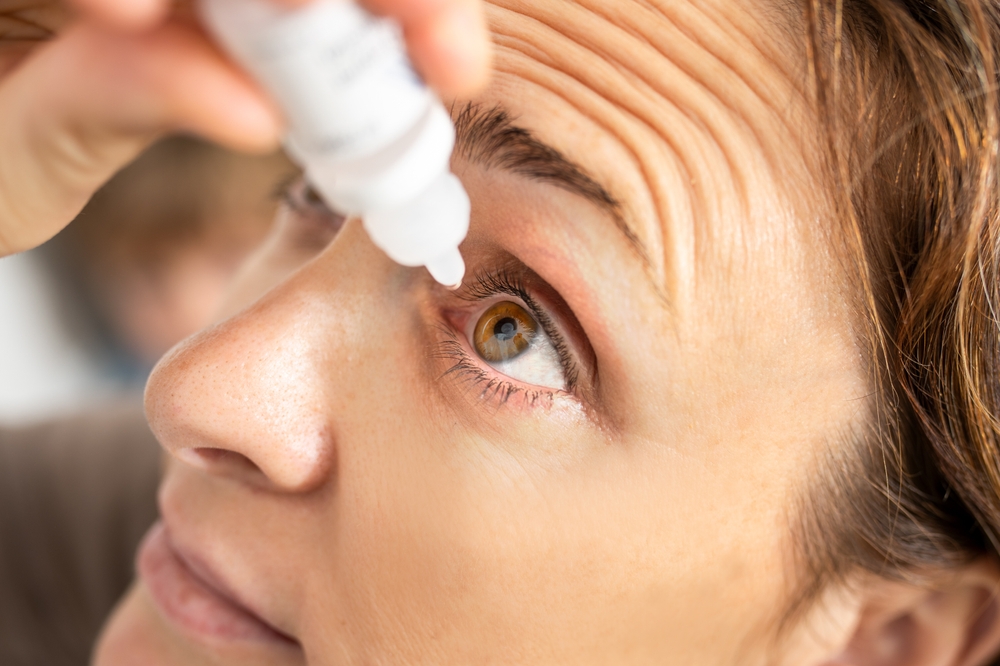
There are several treatments for dry eye syndrome, ranging from over-the-counter (OTC) options to more advanced medical interventions, each catering to different severity levels.
For mild cases, OTC artificial tears are often the first line of defence. These lubricating eye drops temporarily relieve dryness and discomfort, providing a quick, accessible solution.
However, for individuals who need to use drops frequently, preservative-free artificial tears are a better choice. They reduce the risk of irritation from preservatives, making them suitable for more sensitive eyes and frequent application.
When OTC solutions aren’t sufficient, prescription eye drops like cyclosporine or lifitegrast may be recommended by an eye specialist. These medications target inflammation, a common underlying cause of dry eye, and promote long-term tear production. Though it may take several weeks to see improvement, these drops are often effective for chronic cases.
For more severe or persistent dry eye syndrome, punctal plugs might be suggested. These tiny, biocompatible devices are inserted into the tear ducts to block drainage, keeping tears on the eye surface longer. Punctal plugs can be temporary or semi-permanent, providing relief for those who have not responded to other treatments.
Other supportive treatments, like warm compresses or eyelid scrubs, can also help alleviate symptoms, especially if there’s an underlying condition like meibomian gland dysfunction. Consulting an eye care professional can help determine the best approach to effectively manage dry eye symptoms.
Dry eye syndrome currently has no permanent cure, but its symptoms can be effectively managed. By addressing the underlying causes, many people can significantly reduce or even eliminate symptoms, especially if dry eyes are triggered by environmental factors, weather conditions, or side effects of certain medications. For instance, if dry eyes result from a dry climate, screen time, or allergens, adjustments like using a humidifier, taking breaks from screens, or avoiding irritants can often alleviate symptoms entirely.
In cases where dry eyes are due to medications, switching to an alternative treatment (with a doctor’s guidance) may resolve the issue. Although this isn’t technically a cure, it often leads to symptom-free periods, allowing for normal, comfortable vision. Continuous treatment, such as using artificial tears or practising proper eye care routines, can keep symptoms under control, improving quality of life without requiring a permanent “cure.”

There are many potential factors causing dry eyes, so it’s important to find the cause to treat the symptoms most effectively. Some causes of dry eyes include:
Dry or windy weather, high altitude, air conditioning, and heating can all lead to quicker tear evaporation. For those in low-humidity areas, using a humidifier can help balance the moisture in the air and reduce eye dryness.
Tear production naturally decreases with age. Adults over 50 are particularly susceptible to dry eye, as glands that produce tears tend to slow down, requiring regular lubrication.
Similarly, hormonal shifts, particularly in women during menopause or pregnancy, can lead to dry eyes. Oestrogen fluctuations influence tear production, often causing drier eyes.
Staring at screens for extended periods reduces blink frequency, causing tears to evaporate faster. Frequent breaks and maintaining a proper screen distance can help mitigate symptoms.
Antihistamines, antidepressants, blood pressure medications, and birth control pills can all reduce tear production as a side effect. If this occurs, consulting with a doctor for alternatives or supportive treatments is advisable.
Wearing contact lenses for long periods can limit oxygen to the cornea, contributing to dryness. Swapping your lenses for glasses from time to time can help reduce dryness.
Some conditions, like rheumatoid arthritis and diabetes, often affect tear production or quality, leading to chronic dry eyes. Managing these conditions is key to controlling dry eye symptoms.
Conditions like blepharitis or incomplete eyelid closure interfere with tear distribution and can lead to dry eyes. Proper eyelid hygiene, warm compresses, and specialised treatments can help manage these issues.
Identifying the cause of dry eyes helps in tailoring treatment and improving overall eye comfort.

The cost of dry eye treatment in the UK can vary based on treatment type and severity.
For mild dry eye cases, over-the-counter artificial tears are a common solution, with basic OTC eye drops costing between £4 and £10 per bottle. Preservative-free options, which are gentler for sensitive eyes, may cost slightly more, typically around £6 to £15 for multi-dose packs or single-use vials.
When OTC treatments aren’t enough, prescription eye drops may be recommended by an eye specialist. These prescription drops are more expensive, costing approximately £60 to £200 per month if paid privately.
For more serious cases, punctal plug insertion is sometimes suggested. Punctal plugs help retain moisture by reducing tear drainage, with procedures costing around £200 to £400 per eye privately. The NHS can cover this procedure, potentially lowering the cost significantly if deemed medically necessary.
Since many dry eye treatments require ongoing maintenance, patients should consider both initial and long-term expenses. Discussing options with an eye specialist can help in selecting an effective and budget-friendly treatment plan.
The best treatment for dry eyes depends on the severity and cause of the condition. For mild, temporary dry eyes, artificial tears are often the go-to solution. These drops provide immediate lubrication and relief, making them ideal for occasional symptoms from screen time or dry weather. However, frequent use can become costly, and some people may find they need stronger or preservative-free drops if irritation occurs.
Lifestyle changes, like wearing sunglasses outdoors, using a humidifier in dry environments, and taking regular breaks from screens, are simple but effective for managing mild to moderate symptoms. Sunglasses help shield eyes from wind and sunlight, reducing tear evaporation, while a humidifier adds moisture to indoor air, relieving dryness. Screen breaks prevent strain by encouraging natural blinking, helping to maintain a stable tear film.
These methods are low-cost, low-risk, and work well for many; however, they might not provide sufficient relief for those with chronic or severe dry eyes.
Punctal plugs are typically used for more persistent cases. They’re effective for people with severe dry eyes who don’t find relief from drops or lifestyle changes. However, they come with a higher initial cost, and some may experience side effects like a feeling of fullness in the eyes or, occasionally, infections.
Ultimately, consulting an eye specialist is best to get a tailored eye health plan, whether for mild relief or more chronic management.
The specialists at the Eye and Dental Clinic can help you relieve your dry eyes. Book an appointment today, or take a look at our emergency treatments if you need urgent help.
Contact us for more information, or read more information about dry eyes on our blog page, including:


Discover how our advanced eye and dental treatments have helped patients see clearly, smile confidently, and live better with personalised care, comfort, and lasting results.
View More








Hemlata T
Had a deep clean today with Alla and Rachel, which was great, they were very gentle and even fixed a stubborn stain between my teeth, which they noticed during the...

Abs
Great service all around. Dr Uddin was knowledgeable, kind and put me at ease when having a chalazion removed. He helped me a lot with follow-up care for blepharitis, taking...
Amanda K
If I could give more than 5 stars for Mr J Uddin, I would. The reception staff were really polite and helpful. I had my chalazion removal surgery 2 months...
Nicole
Very satisfying. Dr J. Uddin removed a cyst on my upper lid. He explained everything to me before and during the procedure, and he has a very calming appearance. The...
Hemlata T
Had a deep clean today with Alla and Rachel, which was great, they were very gentle and even fixed a stubborn stain between my teeth, which they noticed during the...
Abs
Great service all around. Dr Uddin was knowledgeable, kind and put me at ease when having a chalazion removed. He helped me a lot with follow-up care for blepharitis, taking...
Amanda K
If I could give more than 5 stars for Mr J Uddin, I would. The reception staff were really polite and helpful. I had my chalazion removal surgery 2 months...
Nicole
Very satisfying. Dr J. Uddin removed a cyst on my upper lid. He explained everything to me before and during the procedure, and he has a very calming appearance. The...