


 28 May 2024
Read this to find out how to fill the gap after tooth extraction, or if you need to fill it at all! With four options available, see which is best for you.
Tooth extractions can hurt more than getting a filling, but they are sometimes necessary. If damage and decay has spread too far, then the safest and least painful option is to simply get the tooth removed. However, once the tooth is out, you might be wondering how to fill gap after tooth extraction.
When it comes to tooth extractions, it can be a bittersweet moment. Sure, you won’t have to deal with all the rules like when you can eat after a filling or what to avoid after a filling, but it has its own set of rules.
We’ll go through what you need to know in this blog.
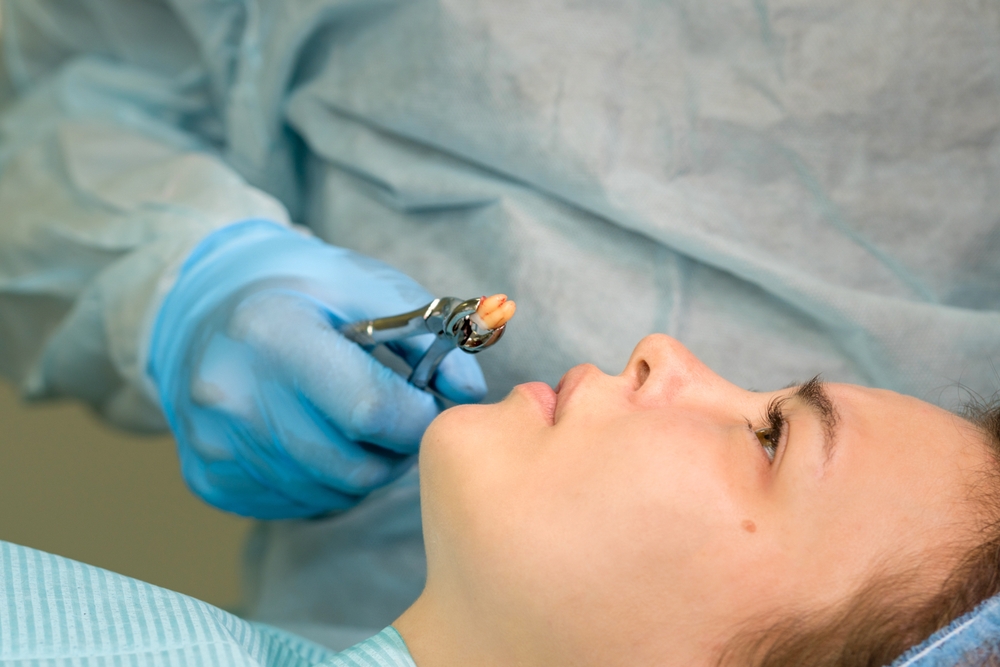
You would only need a tooth extraction if your tooth is damaged beyond repair. More extreme cases will require the tooth to be removed to relieve your pain and help you recover.
A tooth extraction is usually the last point of call, and something that we would rather avoid if at all possible. Unlike with a filling, which can blend into your teeth, getting a tooth extracted can be very noticeable, which might make you want to fill the gap.
To get a single tooth extracted, you can expect it to take anywhere between 20–40 minutes, with up to 15 additional minutes per added tooth you need removed. This is similar to the timeframe for the process of getting a filling, which takes 20–60 minutes, depending on the filling type.
When you get a tooth extracted, you will also need to go for follow-up visits and potentially get over the counter pain relief. Once the procedure is complete, the bleeding will be stopped with gauze, and you may need to press ice against the area to help reduce the swelling. In some cases, you may also need to visit the clinic again to remove stitches if they don’t dissolve.
The level of pain you might experience with tooth extractions will vary depending on the type of extraction, too. Some areas are more or less accessible, and less accessible areas will be more surgical and more complicated. However, local anaesthesia will be administered, so pain isn’t something you should worry about too much.

Tooth extraction should only happen if and when tooth decay has damaged your tooth beyond repair, and fillings won’t solve the problem. It might seem like a drastic measure, but removing the problem tooth will ultimately be less painful than having to live with it in your mouth.
While getting a tooth or several teeth removed can feel drastic, it’s better for long-term health and happiness.
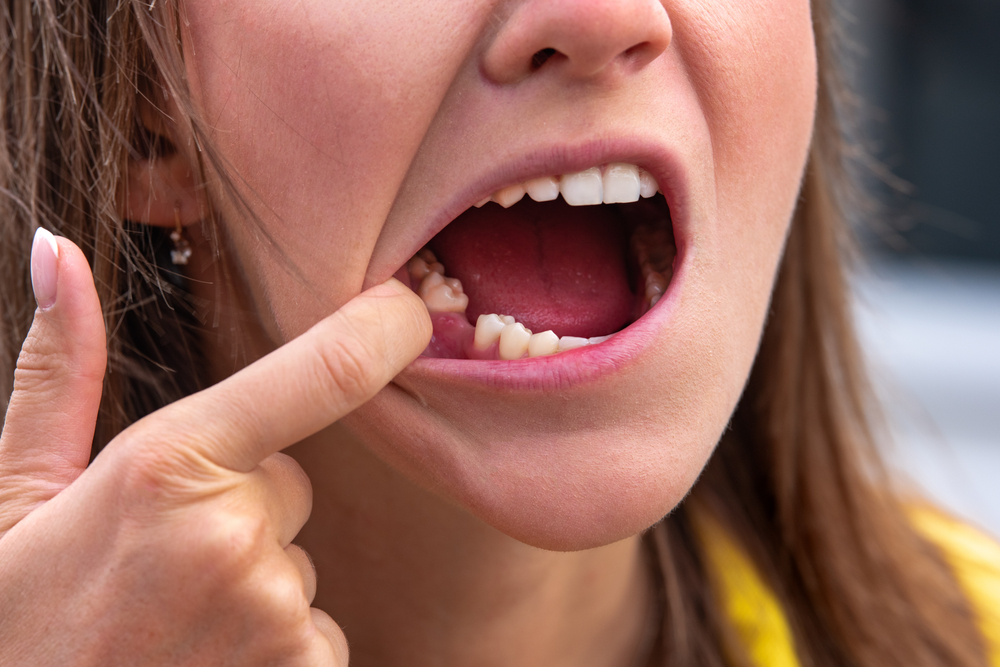
If you had to get a tooth extracted and want to get your smile back, you might want to know how to fill gap after tooth extraction. The good news is, there are options available to you, so you can do something about it if you want to.
There are four options when it comes to filling a gap after tooth extraction:
Dental bridges are a popular choice for filling the gap left by tooth extraction. To do this, crowns are placed on the teeth on both sides of the gap and are joined together with a false tooth. This makes it look like you have a set of all-natural teeth.
Once an impression of your mouth is taken, a bridge will be created in the lab before it gets cemented where it needs to be – so it can’t be removed. Some bridges use a metal wing to connect to the adjoining teeth, but these are the weaker options and have the highest chance of falling out.
Traditional bridges require the surrounding teeth to be prepared and healthy for it to be put where it needs to be, while the one with the metal wing doesn’t. For traditional bridges, you can expect them to last up to 10 years before they need to be replaced.
To fill the gap after a tooth extraction, you may opt for a denture or dentures. These can be made to replace several missing teeth, or just one. Dentures can be made from acrylic or chrome, depending on your needs and preferences, and can be fitted right after the problem tooth has been extracted.
If you get a denture fitted after extraction, you will need to visit the dentist again after about six months. By then, your gums will have shrunk down since there isn’t a tooth there, and the dentures will need to be remade or relined to ensure that they fit properly.
You can get clasps added to dentures that attach to your remaining teeth for added security or use a denture adhesive, but they will need to be removed every night. Dentures also need to be cleaned daily to prevent bacteria from building up and to keep them clean.
Finally, you may opt for a dental implant to fill the gap after a tooth extraction. These are the most invasive of the options, as they require a titanium screw being placed into your jaw in order for the procedure to work.
These implants are used to support dentures, crowns, and other false teeth, and should last as long as your own teeth. The process for getting an implant is lengthy, and from the time the implant is put in to full restoration is up to 4 months. This is because the bone needs time to heal around the screw that is put in to ensure that the foundation is strong enough for the final restoration.

If you prefer, you can also choose to do nothing. This option might not be for everyone, and it may depend on which tooth you had extracted, but it’s something to consider.
Doing nothing could be a good choice for you if the extracted tooth is not at the front of your mouth and doesn’t impact the way you smile, talk or eat. However, there are some things that you will need to consider with this option, such as making sure you visit the dentist frequently to make sure that your teeth aren’t shifting to fill the gap.
If you leave the gap in your mouth, it’s also more likely that bits of food will get trapped between the surrounding teeth. This can increase the risk of gum disease and tooth decay, so you may need to take additional measures to prevent this from happening.

At Eye & Dental Clinic, we want you to have the best experience possible as you get the treatment you need and deserve. However, on top of all the services we offer, from fillings to Invisalign, we also want to make sure you stay informed through our blogs.
Whether you want to learn if at-home fillings are safe or how long temporary fillings last, we have information to help. We also have guides on composite fillings, if you can eat after fillings, and signs that you need to go back to your dentist.
Now that you know how to fill gap after tooth extraction, hopefully you feel more at-ease if you ever need to get a tooth extracted. If you’re looking for a new dentist or want to make an appointment, we would love to hear from you.
Back to Blog

Discover how our advanced eye and dental treatments have helped patients see clearly, smile confidently, and live better with personalised care, comfort, and lasting results.
View More















Hemlata T
Had a deep clean today with Alla and Rachel, which was great, they were very gentle and even fixed a stubborn stain between my teeth, which they noticed during the...

Abs
Great service all around. Dr Uddin was knowledgeable, kind and put me at ease when having a chalazion removed. He helped me a lot with follow-up care for blepharitis, taking...
Amanda K
If I could give more than 5 stars for Mr J Uddin, I would. The reception staff were really polite and helpful. I had my chalazion removal surgery 2 months...
Nicole
Very satisfying. Dr J. Uddin removed a cyst on my upper lid. He explained everything to me before and during the procedure, and he has a very calming appearance. The...
Hemlata T
Had a deep clean today with Alla and Rachel, which was great, they were very gentle and even fixed a stubborn stain between my teeth, which they noticed during the...
Abs
Great service all around. Dr Uddin was knowledgeable, kind and put me at ease when having a chalazion removed. He helped me a lot with follow-up care for blepharitis, taking...
Amanda K
If I could give more than 5 stars for Mr J Uddin, I would. The reception staff were really polite and helpful. I had my chalazion removal surgery 2 months...
Nicole
Very satisfying. Dr J. Uddin removed a cyst on my upper lid. He explained everything to me before and during the procedure, and he has a very calming appearance. The...