

 05 Dec 2024
Wisdom tooth pain can be uncomfortable and disruptive, but the right care can help. Discover effective tips, expert advice, and proven remedies to soothe your discomfort and promote healing.
Wisdom teeth are the third set of molars that typically emerge between the ages of 17 and 25, but can come through at any time, or not at all. Wisdom tooth pain often arises due to the limited space in the jaw for these third molars to emerge properly. This can lead to impaction, where the tooth is partially or fully trapped beneath the gum or bone.
An impacted wisdom tooth can cause swelling, tenderness, and discomfort in the gum, the jaw and surrounding tissue, even leading to headaches and earaches in some severe cases. Misalignment is another common cause, where the tooth grows at an angle, pressing against neighbouring teeth or the tooth root, a sensitive nerve.
Wisdom tooth pain may also result from infection, as partially erupted teeth can create pockets that trap food and bacteria, leading to gum inflammation or pericoronitis. In some cases, cysts or damage to nearby teeth can exacerbate the issue.

You should see a dentist if wisdom tooth pain persists for more than a few days, worsens, or is accompanied by other symptoms. Swelling in the jaw or face, difficulty opening your mouth, or persistent bad breath can indicate an infection that needs prompt attention. Severe pain or pressure may suggest impaction or damage to neighbouring teeth, which requires professional evaluation.
Bleeding gums or a foul taste in your mouth are also warning signs, often associated with trapped food or an infection around the partially erupted tooth. If you experience fever, swollen lymph nodes, or other systemic symptoms, seek immediate dental care, as these could indicate a more serious infection.
Even if symptoms seem mild, a dental examination is crucial. A dentist can assess your wisdom teeth with X-rays to determine their position and recommend appropriate treatment. Timely care can prevent complications, such as infection spreading or damage to surrounding teeth, ensuring your oral health remains intact. Regular dental visits can help monitor your wisdom teeth and address potential issues before they become severe.
Not everyone can take tablets, and natural products are usually preferred to medication if they’re effective.
Some effective home remedies for wisdom tooth pain include:
To make a saltwater rinse, dissolve a teaspoon of salt in a glass of warm water and rinse your mouth several times a day. This helps to cleanse the affected area, reduce inflammation, and alleviate pain caused by trapped food particles or gum irritation.
When applying an ice pack to the outside of your cheek, make sure to wrap it in a cloth to protect your skin and only use it for 15-20 minutes at a time. This numbs the area and reduces swelling, providing quick relief for throbbing pain.
Dab a small amount of clove oil on a cotton ball and gently apply it to the painful area. Clove oil contains eugenol, a natural anaesthetic and anti-inflammatory agent, which helps relieve pain and reduce infection risk. Alternatively, you can gently chew a clove to release the same oils and reduce the pain in your gum.
Medications like ibuprofen or paracetamol can effectively reduce pain and inflammation, but always follow the dosage instructions on the label.
Sometimes a warm compress is better than a cold compress, depending on the pain. You can use a warm compress on the jaw if your pain is related to muscle tension or if a cold compress is too intense. This helps improve circulation and ease discomfort.
While these remedies can provide temporary relief, they are not a substitute for professional dental care. If wisdom tooth pain persists or is accompanied by swelling, fever, or difficulty opening your mouth, consult a dentist to address the root cause and prevent further. complications.
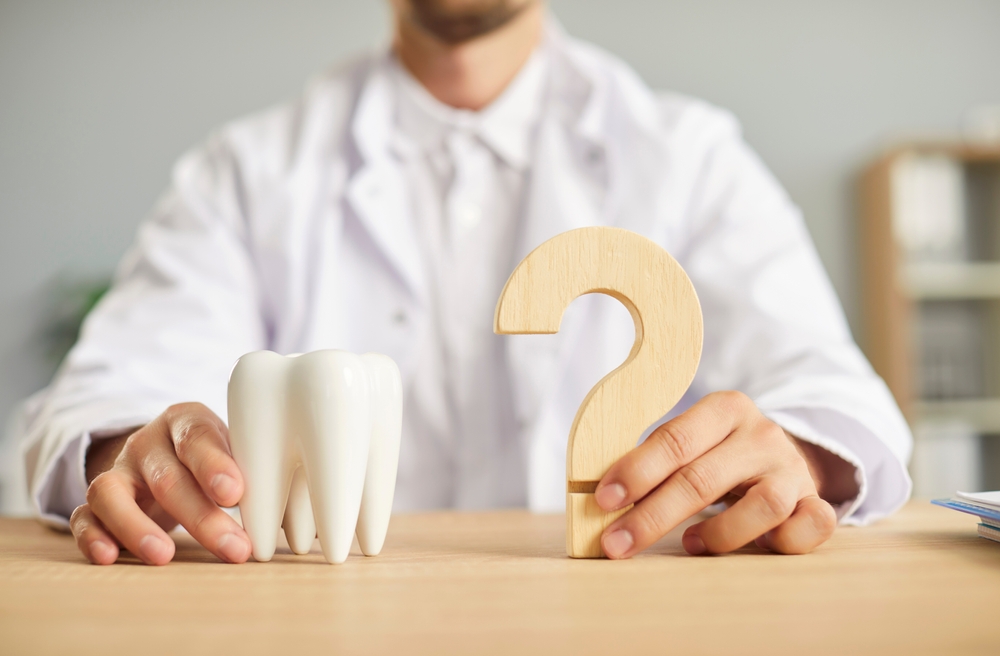
Curious about wisdom teeth? This section answers some of the most common questions about how painful wisdom teeth can be and what you can do about them.
Relieving wisdom tooth pain at home can provide temporary comfort while waiting for professional treatment. Effective remedies include saltwater rinses to reduce inflammation and fight bacteria, cold compresses to numb pain and alleviate swelling, and clove oil for its natural anaesthetic properties. Over-the-counter painkillers can also ease discomfort and inflammation.
While home remedies are useful for short-term relief, they only address symptoms, not the underlying cause of wisdom tooth pain. Persistent pain may indicate issues like impaction, infection, or gum irritation, which require professional evaluation. Dentists can provide targeted solutions, such as antibiotics for infections, dental cleanings to remove trapped debris, or surgical extraction for problematic teeth.
Combining home care with timely professional treatment ensures effective pain management and prevents complications. Relying solely on home remedies can delay necessary care, potentially worsening the condition. Always consult a dentist if pain persists or worsens.
Wisdom tooth extraction is generally not painful during the procedure itself, as a local anaesthetic is used to numb the area thoroughly. You may feel pressure or movement as the dentist works to remove the tooth, but no sharp pain. In some cases, sedation or general anaesthesia may be offered for more complex extractions or for patients who feel anxious.
Once the anaesthetic wears off, it’s normal to experience some discomfort, swelling, or soreness at the extraction site. The intensity of pain varies depending on the complexity of the extraction and individual pain tolerance. Over-the-counter painkillers like ibuprofen are usually sufficient to manage discomfort, though stronger medication may be prescribed for more extensive procedures.
You will typically experience mild discomfort for a few days, although this gradually subsides within a week. Following aftercare instructions, such as maintaining good oral hygiene, avoiding smoking, and eating soft foods, can significantly ease recovery. Severe pain or swelling after a few days may indicate complications, such as infection or dry socket, requiring prompt dental attention, so it’s important to contact your dentist urgently.
With proper care, recovery is manageable and generally free of major complications.

Proper aftercare following wisdom tooth extraction is essential to ensure a smooth healing process and minimise complications. In the first 5 days, avoid alcohol and smoking, as both can interfere with the healing process. Alcohol can irritate the extraction site, while smoking delays clot formation, increasing the risk of dry socket – a painful condition where the blood clot is dislodged or fails to form properly.
Immediately after the procedure, you’ll be given gauze to bite on to stop the bleeding and help to form a blood clot to aid the healing process, so you’ll need to protect this blood clot well to enable healing.
Stick to soft, easy-to-eat foods such as soups, mashed potatoes, and scrambled eggs during the initial days after surgery to reduce discomfort while eating. Avoid hot, spicy, or crunchy foods that may irritate the wound. It’s also important to hydrate well, but avoid using straws, as the suction can disturb the blood clot and delay healing.
The wound generally begins to heal within 7-10 days, but the complete healing process, including bone and tissue regeneration, can take several weeks; however, the pain does not last this long. If pain worsens or continues past 5 days, you should contact your dentist for an assessment, as this may indicate an issue with the healing process and possibly an infection in the gum.
Following aftercare guidelines promotes healing and reduces the likelihood of complications, ensuring a smooth recovery.
If you’re struggling with wisdom tooth pain, don’t wait – let the experts at the Eye and Dental Clinic help. Schedule an appointment today for a thorough evaluation and tailored treatment plan, visit our website to explore patient pictures and read testimonials from satisfied clients, or contact us now for expert advice!
Back to Blog

Discover how our advanced eye and dental treatments have helped patients see clearly, smile confidently, and live better with personalised care, comfort, and lasting results.
View More














Hemlata T
Had a deep clean today with Alla and Rachel, which was great, they were very gentle and even fixed a stubborn stain between my teeth, which they noticed during the...

Abs
Great service all around. Dr Uddin was knowledgeable, kind and put me at ease when having a chalazion removed. He helped me a lot with follow-up care for blepharitis, taking...
Amanda K
If I could give more than 5 stars for Mr J Uddin, I would. The reception staff were really polite and helpful. I had my chalazion removal surgery 2 months...
Nicole
Very satisfying. Dr J. Uddin removed a cyst on my upper lid. He explained everything to me before and during the procedure, and he has a very calming appearance. The...
Hemlata T
Had a deep clean today with Alla and Rachel, which was great, they were very gentle and even fixed a stubborn stain between my teeth, which they noticed during the...
Abs
Great service all around. Dr Uddin was knowledgeable, kind and put me at ease when having a chalazion removed. He helped me a lot with follow-up care for blepharitis, taking...
Amanda K
If I could give more than 5 stars for Mr J Uddin, I would. The reception staff were really polite and helpful. I had my chalazion removal surgery 2 months...
Nicole
Very satisfying. Dr J. Uddin removed a cyst on my upper lid. He explained everything to me before and during the procedure, and he has a very calming appearance. The...