


 08 Sep 2023
Dental bridges are an excellent way to replace missing teeth, both for the sake of your smile and to help you chew and generally improve your quality of life. But with other solutions for missing, broken, damaged or simply uneven and stained teeth, like veneers, are dental bridges worth it? They’re often called permanent tooth replacements; however, they don’t last a lifetime. So, how long do they last, and are dental bridges the best option for your missing teeth?
Let’s explore how dental bridges work and how long they last.
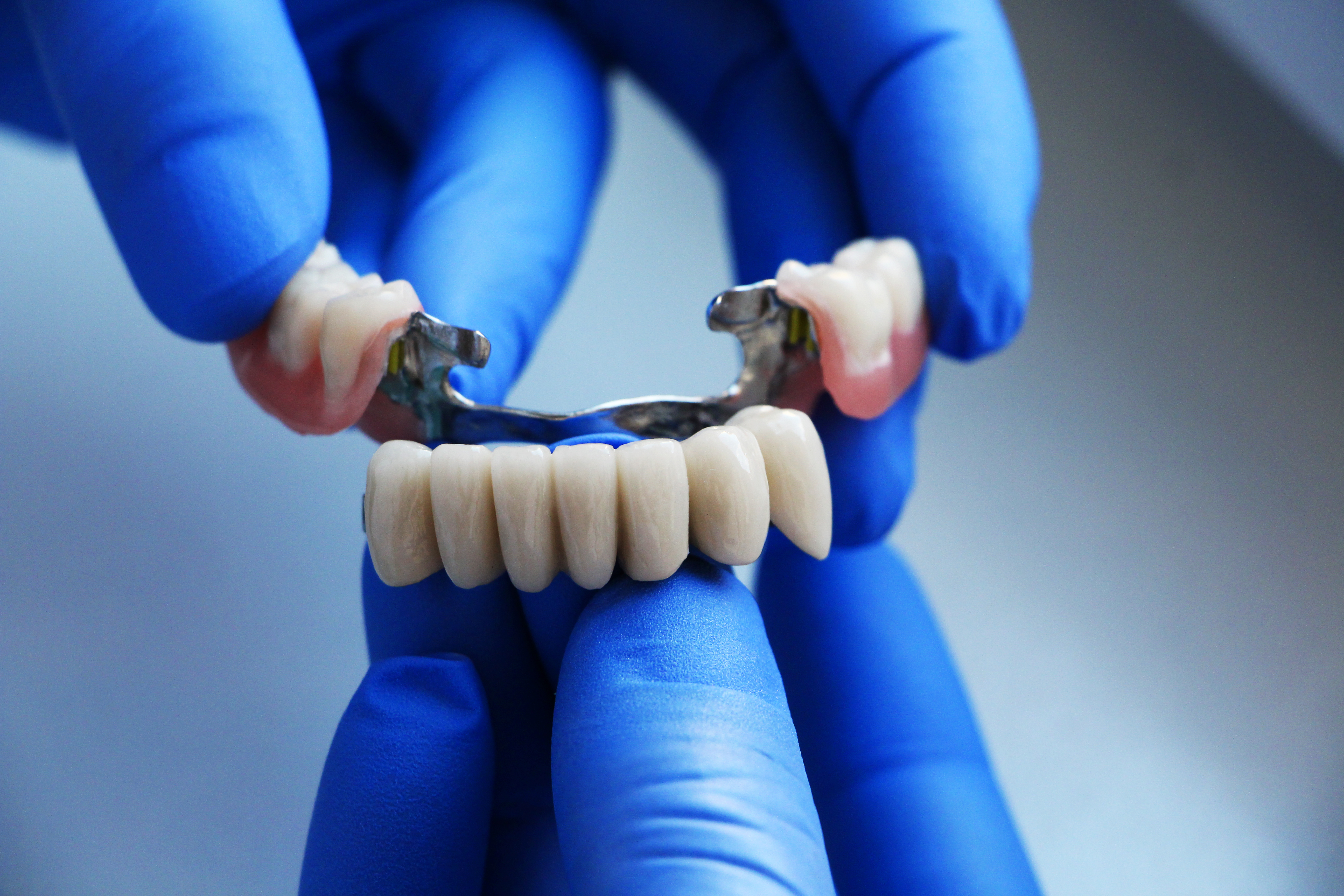
Dental bridges cover one to four missing teeth in your mouth without actually being implanted into the gum. They’re a bridge over the gap where your teeth are missing. So, depending on how many teeth you have missing and how healthy the teeth next to the gap are, your dentist will recommend one of four different types of bridges.
They will consider several factors, including:
Let’s look at each type of bridge in more detail to understand which might be the best option for you.
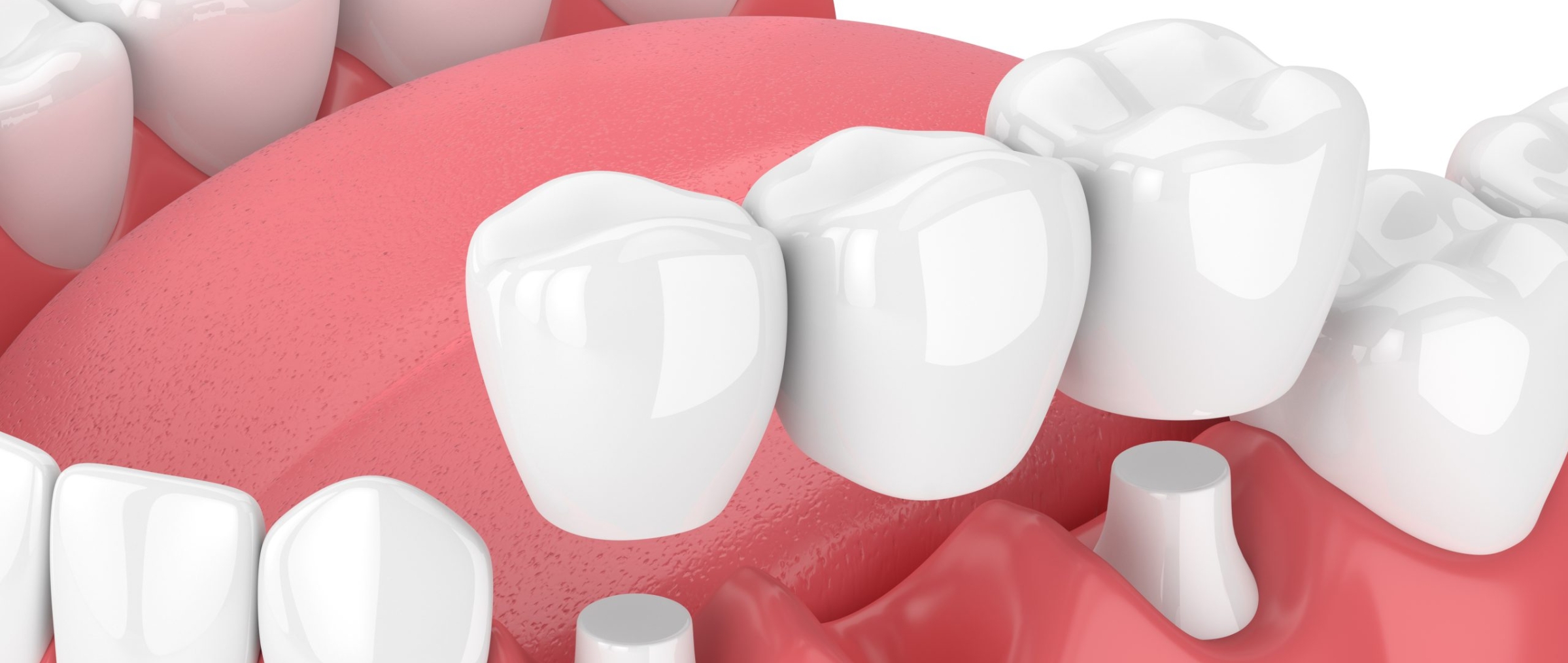
A traditional dental bridge is the most common type offered by dentists, as it covers a healthy tooth on either side of the missing teeth with a crown to support the fake teeth, known as pontics, across the gap. To fit the crowns, the dentist will have to wear down your natural, healthy teeth slightly and apply cement to bond the dental crown to your tooth and give it a natural appearance.
A cantilever bridge is the most similar to a traditional dental bridge; the only difference is that it’s only attached via a crown on one side of the gap. This can be used when there are missing teeth at the back of the mouth. Like a traditional dental bridge, it can replace molars to help you chew; however, it’s not as strong as a traditional bridge with support on either side of the gap.
A Maryland bridge is supported on either side of the missing teeth like a traditional dental bridge; however, rather than wearing down your healthy teeth to fit a crown, metal wings are attached to the backs of the teeth on either side of the gap to support the bridge. This isn’t as strong as a traditional bridge, so it isn’t used for molars, but it can be a great option for replacing missing front teeth.
Again similar to a traditional dental bridge with support on either side of the missing teeth, an implant-supported bridge has a dental implant on each end of the bridge which are implanted into the gums and jawbone in the same way your natural teeth are rooted.
Implant-supported bridges are very strong, as dentists must first securely fuse the dental implants to your jaw before attaching the bridge, and they don’t impact the teeth on either side of the gap. This is a great option if you have more than three or four teeth missing in a row, or if the teeth on either side of the gap aren’t strong enough to support a traditional bridge.
However, this type of bridge can take up to 6 months to complete, due to the time it takes for the implanted teeth to fully root in your jaw.
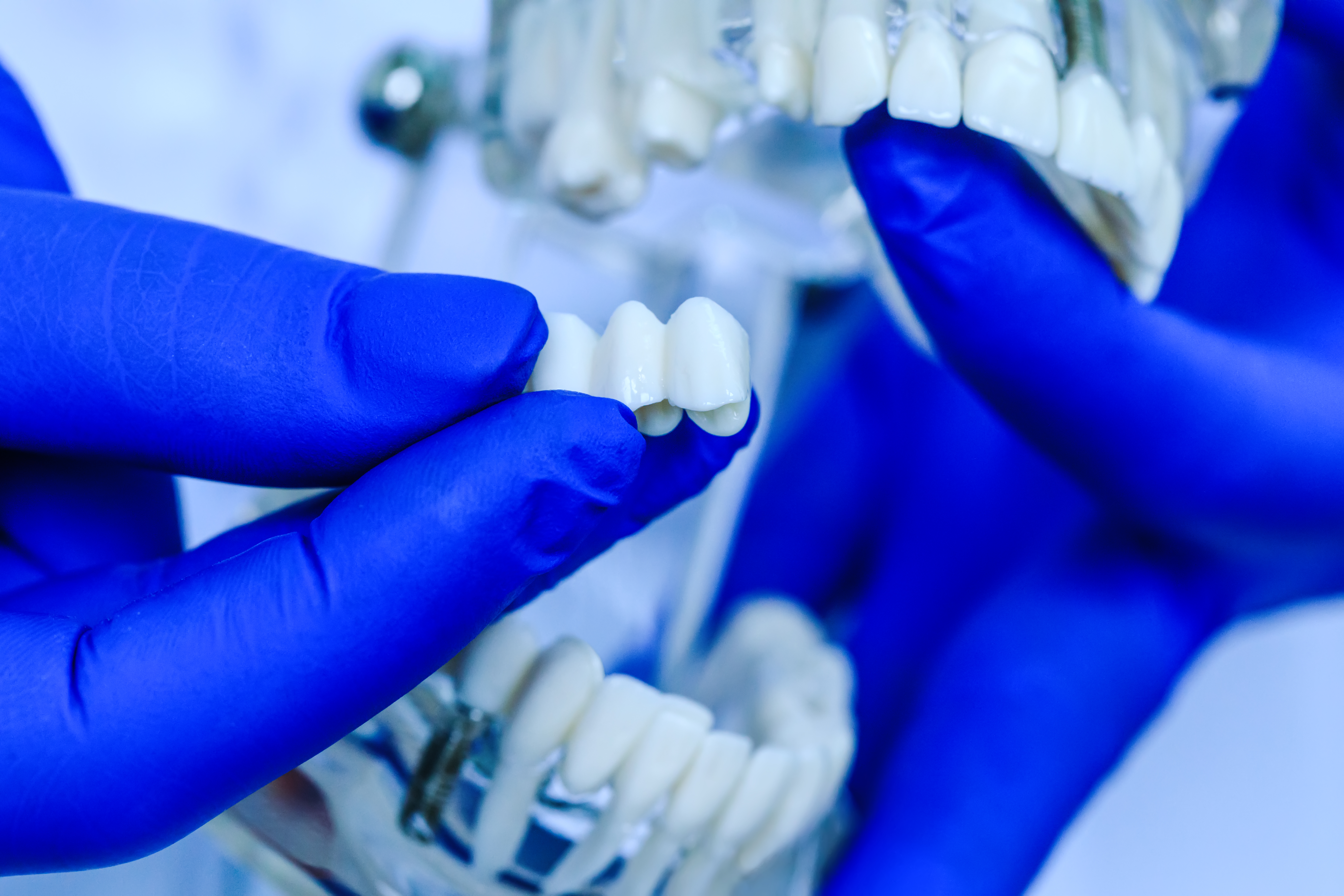
Each of the four types of dental bridges lasts a similar length of time, although this can be impacted by how well you look after your natural and new teeth. You can expect to have a dental bridge for at least 5 years, and up to 15 years if you look after it well.
It can be rather misleading to hear your dentist refer to them as permanent tooth replacements, given that they don’t actually last forever; however, they are fixed securely by the dentist, so they can only be removed by a dentist when they need replacing.
You’ll know when your dental bridge needs replacing if you experience any of the following symptoms:
If your dental bridge simply becomes loose, your dentist can reattach it with cement as they would have done in the initial installation process. However, if your dental bridge is damaged or you have an injury or inflammation in your mouth, it’s most likely that the dental bridge will be broken as it’s removed, and you’ll have to be fitted for another. If you suffer an injury or experience difficulty breathing, you should have urgent medical treatment.

Dental bridges aren’t a permanent fix, but neither are any options for tooth replacement, so if the idea of having your teeth fixed again every 5 to 15 years bothers you, then unfortunately, your best option is to have a dental bridge or tooth implant and look after them perfectly to help you keep them for longer.
The only disadvantages, in fact, of a dental bridge, result in failing to keep your teeth and gums under the bridge clean and healthy. If you have a traditional dental bridge and the teeth under the crowns start to decay, this will weaken the dental bridge, and you will have to have a replacement or even more teeth removed.
As the healthy teeth under the crown have to be worn down slightly to fit the crown over the top naturally, they are more at risk of tooth decay if you don’t clean them properly. So, it’s definitely in your interest to properly clean your teeth twice a day and ensure you remove any bacteria from the small gap between your bridge and your gum using special brushes. Your dentist or dental hygienist can advise you further on how to properly care for your dental bridge.
If you have teeth that are broken or damaged, a crown is an excellent option, as you keep your tooth root, but have a tooth-shaped cap fitted over the top to enable you to continue eating as normal and have a beautiful smile. However, if you have missing teeth, a crown is not an option. Depending on how badly your tooth is broken, a dentist will be able to recommend a crown or a tooth extraction followed by a dental implant for one missing tooth, or a dental bridge for two or more consecutive missing teeth.
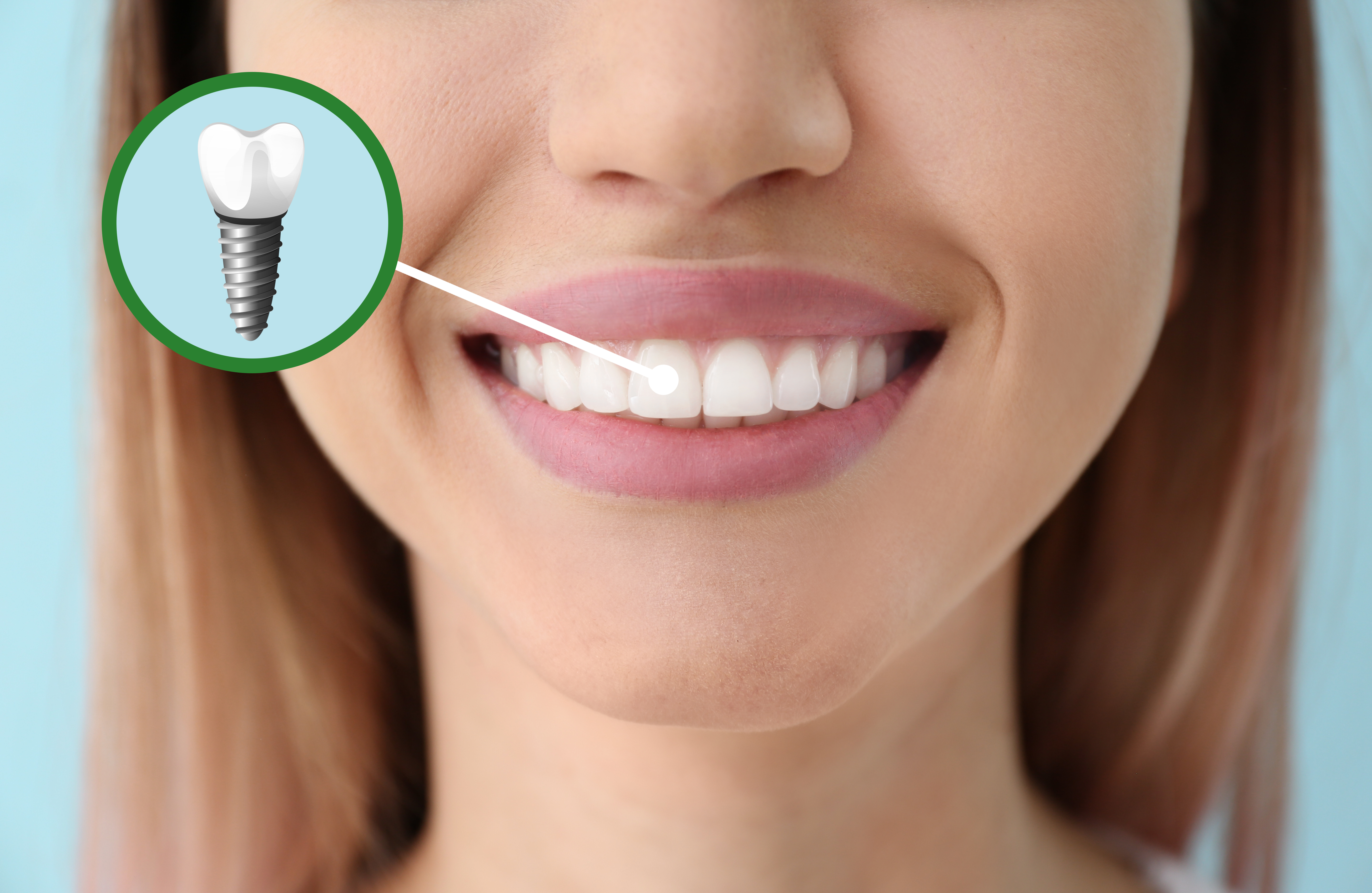
The main difference between a dental bridge and a dental implant is that the bridge rests on top of your gum without being inserted into it, like the root of a tooth, whereas a dental implant is inserted into the gum and fused to the jawbone. When you have a dental implant inserted, a crown is placed over the top to resemble the original tooth. So the dental implant itself can last a lifetime, provided no serious damage occurs to the jaw or surrounding gum; however, the crown on the top will last up to 15 years, the same as a dental bridge.
How many consecutive teeth you have missing is the main factor behind having a traditional dental bridge using a crown, or an implant-supported dental bridge; however, you can also express your preference to your dentist. Implants typically last longer than traditional dental bridges; however, they can often be more expensive. So, it’s best to talk to your dentist about your budget as well as your preference to get the best idea of which tooth replacement option is the most ideal for you.
All dental bridges can be made to look very natural with the colour-matching technologies used by dentists, so the new teeth don’t stand out and feel like real teeth, enabling you to eat and talk as you would have done with a full set of natural teeth. Ready to get yours? Make an appointment with the Eye and Dental Clinic today!
Have a dental emergency? You can also rely on us to help you out.
Back to Blog

Discover how our advanced eye and dental treatments have helped patients see clearly, smile confidently, and live better with personalised care, comfort, and lasting results.
View More

















Hemlata T
Had a deep clean today with Alla and Rachel, which was great, they were very gentle and even fixed a stubborn stain between my teeth, which they noticed during the...

Abs
Great service all around. Dr Uddin was knowledgeable, kind and put me at ease when having a chalazion removed. He helped me a lot with follow-up care for blepharitis, taking...
Amanda K
If I could give more than 5 stars for Mr J Uddin, I would. The reception staff were really polite and helpful. I had my chalazion removal surgery 2 months...
Nicole
Very satisfying. Dr J. Uddin removed a cyst on my upper lid. He explained everything to me before and during the procedure, and he has a very calming appearance. The...
Hemlata T
Had a deep clean today with Alla and Rachel, which was great, they were very gentle and even fixed a stubborn stain between my teeth, which they noticed during the...
Abs
Great service all around. Dr Uddin was knowledgeable, kind and put me at ease when having a chalazion removed. He helped me a lot with follow-up care for blepharitis, taking...
Amanda K
If I could give more than 5 stars for Mr J Uddin, I would. The reception staff were really polite and helpful. I had my chalazion removal surgery 2 months...
Nicole
Very satisfying. Dr J. Uddin removed a cyst on my upper lid. He explained everything to me before and during the procedure, and he has a very calming appearance. The...