
 15 Nov 2024
You need to be careful with what you eat and drink after invasive dental procedures like tooth extractions, but when is it safe to drink alcohol after the procedure? We’ll look at all the dos and don’ts after your tooth extraction and why it’s important to stick to your dentist’s guidelines.
After a tooth extraction, it’s important to avoid drinking anything for at least the first hour to protect the blood clot that forms at the extraction site. This clot is essential for healing, so it’s crucial to allow it to form a protective seal over the socket left by the removed tooth. Once the first hour has passed, you can drink small sips of clear water, but avoid using a straw, and steer clear of hot or carbonated drinks, as these can dissolve or dislodge the clot.
It’s also advisable to wait at least three hours before eating anything to maintain the blood clot. When you do start eating, choose soft foods that are easy to swallow and require minimal chewing, such as room-temperature soups, scrambled eggs or mashed potatoes. These foods won’t put unnecessary pressure on the extraction site, and their mild temperature minimises irritation.
Over the next few days, continue with soft foods, only introducing more solid foods gradually as you feel comfortable. Avoid hard, crunchy, or spicy foods, as they can irritate the extraction area or even get stuck in the socket.
Following the guidelines outlined by your dentist helps reduce the risk of complications and promotes a smooth healing process, but if you experience any unusual pain or swelling, you should consult your dentist for further advice.
After a tooth extraction, it’s best to start with clear water to stay hydrated without disturbing the healing site. Avoid iced drinks and straws for the first few days after the procedure, as the suction and cold temperature can dislodge the blood clot, leading to dry socket, which can elongate the healing process and cause complications.
Hot drinks, like tea or coffee, should be allowed to cool to room temperature before drinking to avoid irritating the extraction area. Staying cautious with drink choices helps prevent complications and supports healing.

Drinking alcohol after a tooth extraction is not recommended, particularly within the first 72 hours; however, it’s advisable to avoid alcoholic drinks and mouthwash containing alcohol for at least 5 days following the tooth extraction.
Alcohol can delay healing and increase the risk of infection by dissolving the blood clot at the extraction site, which is essential for protecting the exposed bone and tissue as it initiates the healing process.
Generally, you can begin consuming alcohol about a week after the procedure, once the socket has begun to heal and the clot has firmly stabilised and begun to shrink. However, always follow your dentist’s advice, as healing rates can vary based on individual factors like the complexity of the extraction and overall oral health.
A fully healed socket typically appears closed with a smooth layer of new gum tissue, which usually forms within two weeks. It’s best to avoid drinking alcohol until this stage to ensure a smooth recovery.
Similarly, alcohol-based mouthwashes should be avoided until the socket has fully closed. Opt instead for a saltwater rinse, which is gentle and promotes healing without the risks associated with alcohol; however, any kind of rinse should be avoided for the first 24 hours to protect the blood clot.
Like many surgical procedures, it’s generally advised to avoid drinking alcohol before a tooth extraction, ideally for at least 24 hours prior to the procedure. Alcohol can thin the blood, increasing the risk of excessive bleeding during and after the extraction.
Additionally, it can interfere with the effectiveness of local anaesthesia and prescribed medications, making it harder to manage pain and discomfort effectively. Alcohol also suppresses immune function, which can compromise your body’s ability to handle the stress of surgery and start the healing process smoothly.
Although it’s very rare to have a general anaesthetic for tooth extractions, in the rare case that you may have one, you should definitely avoid drinking alcohol for 24 hours before your procedure to avoid complications with the anaesthetic.
By avoiding alcohol in the day or two before your extraction, you set the stage for a smoother, safer procedure and enhance your body’s ability to heal afterwards. Instead, focus on hydration by drinking plenty of water, which keeps tissues healthy and helps your body prepare for the minor trauma of surgery. Following this advice can contribute to a quicker, more comfortable recovery process.
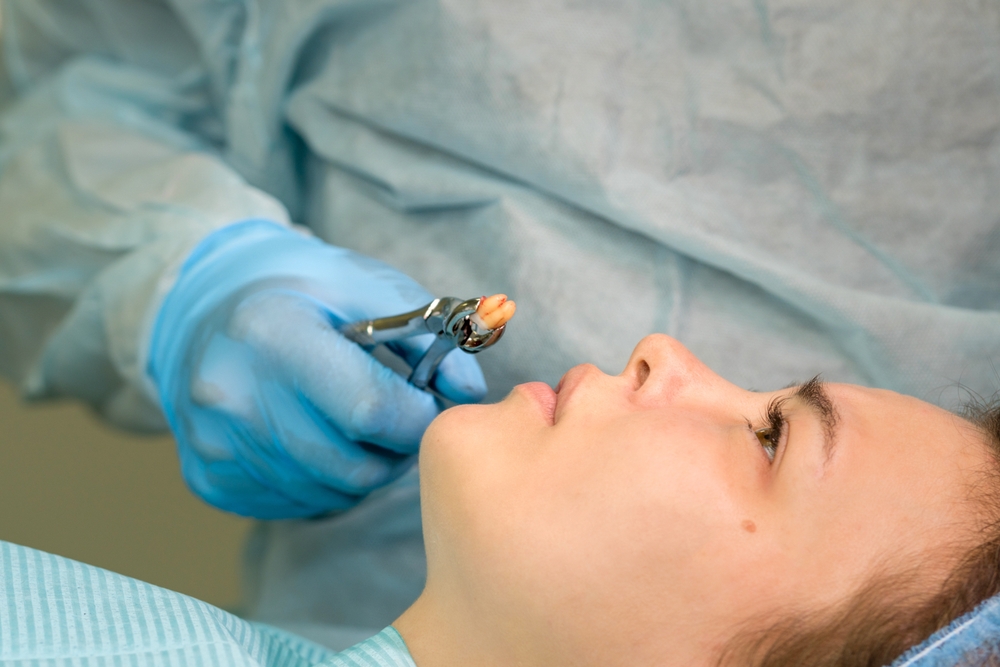
The healing process after a tooth extraction typically takes around one to two weeks, though the initial clot formation and early healing phase generally occur within the first 24 to 48 hours. During this period, the blood clot covering the socket is crucial as it protects the bone and nerves and serves as a foundation for new tissue growth. Within the first week, the gum tissue starts to close over the socket, and pain and swelling usually diminish significantly.
However, various factors can slow down healing, such as smoking, which reduces blood flow and can dislodge the clot, leading to dry socket, so smoking should be avoided for at least the first week, but ideally stopped completely.
Drinking alcohol too soon, poor oral hygiene, and strenuous physical activity can also disrupt healing. Additionally, individuals with underlying health conditions like diabetes or immune disorders may experience slower recovery times, so your dentist may revise the timeline of eating and drinking restrictions based on your health.
It’s essential to monitor the extraction site for signs of complications before resuming normal activities. Any of the following symptoms can indicate an infection and require immediate treatment from your dentist:
Once discomfort has subsided and the gum tissue shows signs of closure, you can begin returning to regular activities, following your dentist’s advice for optimal recovery.
Eating and drinking guidelines can vary depending on the dental procedure performed, so it’s crucial to follow your dentist’s advice before and after any treatments for the best results and to avoid complications. Here’s an overview of the guidelines for common procedures:
After teeth whitening, avoid stain-causing foods and drinks, such as coffee, tea, red wine, dark sodas, and acidic foods, for 24 to 48 hours, as teeth are more porous and susceptible to staining during this time. Instead, consume light-coloured foods and drinks like water, milk, plain yoghurt, and white rice. Also, refrain from smoking, as it can quickly stain freshly whitened teeth.
Typically, there are no specific eating or drinking restrictions for routine check-ups. However, brushing your teeth beforehand is recommended for a thorough examination. If fluoride treatments are applied, avoid eating or drinking for at least 30 minutes to allow optimal fluoride absorption.
Similarly, wait at least 30 minutes before eating or drinking after a deep cleaning, and avoid very hot or very cold food and drink if your teeth feel sensitive afterwards.
Dental implants involve a relatively invasive procedure, so you should follow a diet similar to post-tooth extraction, sticking to softer foods at room temperature and avoiding alcohol and straws.
If you have had a filling, you should avoid sticky, hard or chewy foods to allow the filling to set properly, and chew on the opposite side of your mouth for the first day to avoid complications.
Your dentist will provide specific instructions for your procedure, but if you’re unsure, ask for clarification.
The specialists at the Eye and Dental Clinic can help with any of your dental woes, from cosmetic dentistry like veneers and teeth whitening to routine check-ups. Book an appointment today, or take a look at our emergency treatments if you need urgent help.
Contact us for more information, or read more information about our dental services, including:
You can also find out more about our clinic by reading our:


Discover how our advanced eye and dental treatments have helped patients see clearly, smile confidently, and live better with personalised care, comfort, and lasting results.
View More












Hemlata T
Had a deep clean today with Alla and Rachel, which was great, they were very gentle and even fixed a stubborn stain between my teeth, which they noticed during the...

Abs
Great service all around. Dr Uddin was knowledgeable, kind and put me at ease when having a chalazion removed. He helped me a lot with follow-up care for blepharitis, taking...
Amanda K
If I could give more than 5 stars for Mr J Uddin, I would. The reception staff were really polite and helpful. I had my chalazion removal surgery 2 months...
Nicole
Very satisfying. Dr J. Uddin removed a cyst on my upper lid. He explained everything to me before and during the procedure, and he has a very calming appearance. The...
Hemlata T
Had a deep clean today with Alla and Rachel, which was great, they were very gentle and even fixed a stubborn stain between my teeth, which they noticed during the...
Abs
Great service all around. Dr Uddin was knowledgeable, kind and put me at ease when having a chalazion removed. He helped me a lot with follow-up care for blepharitis, taking...
Amanda K
If I could give more than 5 stars for Mr J Uddin, I would. The reception staff were really polite and helpful. I had my chalazion removal surgery 2 months...
Nicole
Very satisfying. Dr J. Uddin removed a cyst on my upper lid. He explained everything to me before and during the procedure, and he has a very calming appearance. The...