
 11 Apr 2024
Periodontal disease, more commonly known as gum disease, is a chronic condition that affects most people at some point in their lives. But if it’s so common, is there anything you can do to fix it or prevent it? Let’s take a detailed look.
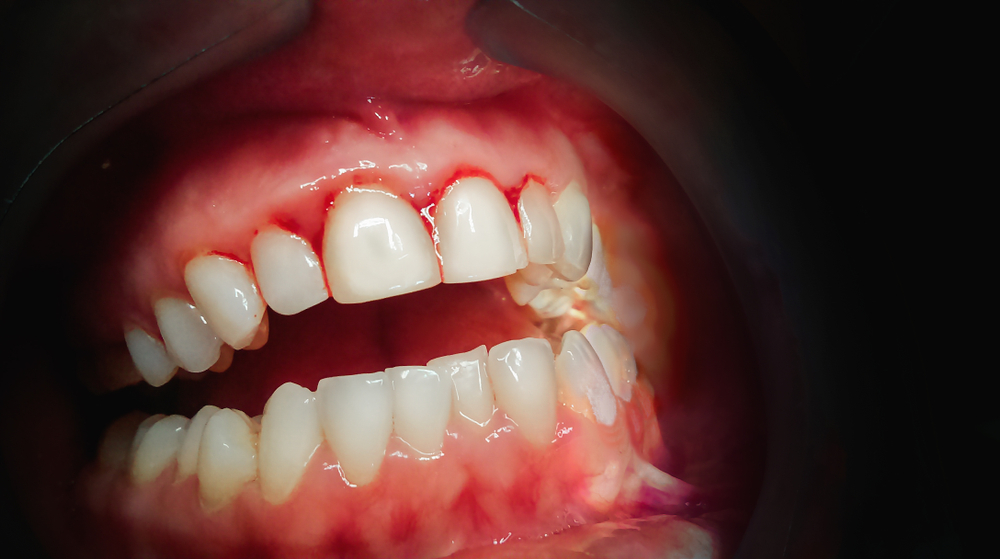
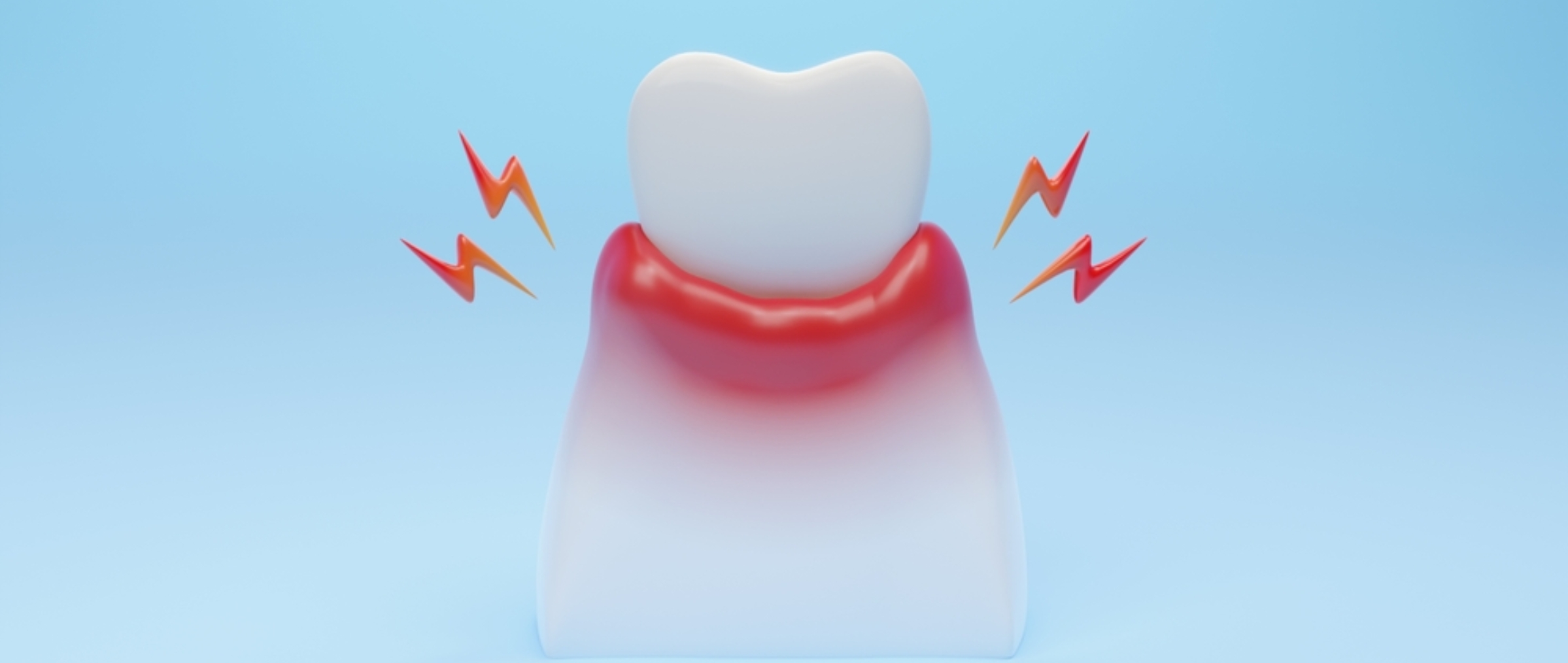
Gum disease is an inflammatory condition caused by plaque, a sticky film caused by the build-up of bacteria on the teeth that eats away the tooth enamel, causing cavities as well as causing inflammation and infections of the gums.
Most plaque is removed by brushing and flossing; however, some naturally clings to teeth and hardens to form tartar and can only be removed by professional tooth cleaning techniques at the dentist’s. If the tartar is not removed, the first stage of gum disease, gingivitis, can start. If left untreated, this can develop into periodontal disease, a more severe form of gum disease which also affects the supporting tissues of the teeth, including the bone, eventually causing tooth loss.
Common symptoms of periodontal disease include:
There are several known causes of gum disease, with some genetic and systemic factors such as hormonal changes and diabetes playing a role; however, most gum disease occurs due to poor oral hygiene, smoking and clenching or grinding of teeth.
Gum disease is not contagious in the same way as a cough or cold, but it should still be treated for the well-being of the individual, and it is still possible for the bacteria causing gum disease to spread from close person-to-person contact, where saliva may be exchanged, such as through:
Not everyone who is exposed to these bacteria will develop gum disease; however, it remains important to have your gum disease treated urgently.
Gum disease is usually a slow progression, so it’s rarely a dental emergency, especially as the disease develops. However, if gum disease is left untreated, the symptoms can worsen and require emergency dental treatment to alleviate the issue.
Symptoms of gum disease that require emergency treatment include:
If you lose a tooth and can keep hold of it, you should see a dentist as soon as possible, as they may be able to put your tooth back in place. If you can’t re-enter the tooth in the socket yourself, you can keep it in a glass of milk until you can reach your dentist.
When any serious dental symptoms arise, you should call your dentist or 111 to discuss your symptoms and arrange an emergency appointment if necessary. They will offer advice to care for your symptoms while you wait and help with the next steps, such as finding an emergency dentist near you. You shouldn’t go to an urgent care centre such as A&E or call 999 unless your symptoms are life-threatening, such as swelling that is causing difficulty breathing, speaking or swallowing.
Timely intervention is crucial in addressing dental emergencies effectively and preventing further complications.
Gum disease is a chronic condition, so once it has begun to develop, it cannot be cured, as the damage done to the gums and teeth is usually irreversible. However, symptoms of gum disease can be treated, and through improving your oral hygiene, you can effectively manage periodontal disease to prevent it from progressing and reduce inflammation of your gums.
Early detection and intervention are key to the successful management of gum disease, so if you suspect you have gum disease or are experiencing symptoms such as bleeding gums, swelling, or persistent bad breath, it’s essential to see a dentist as soon as possible.
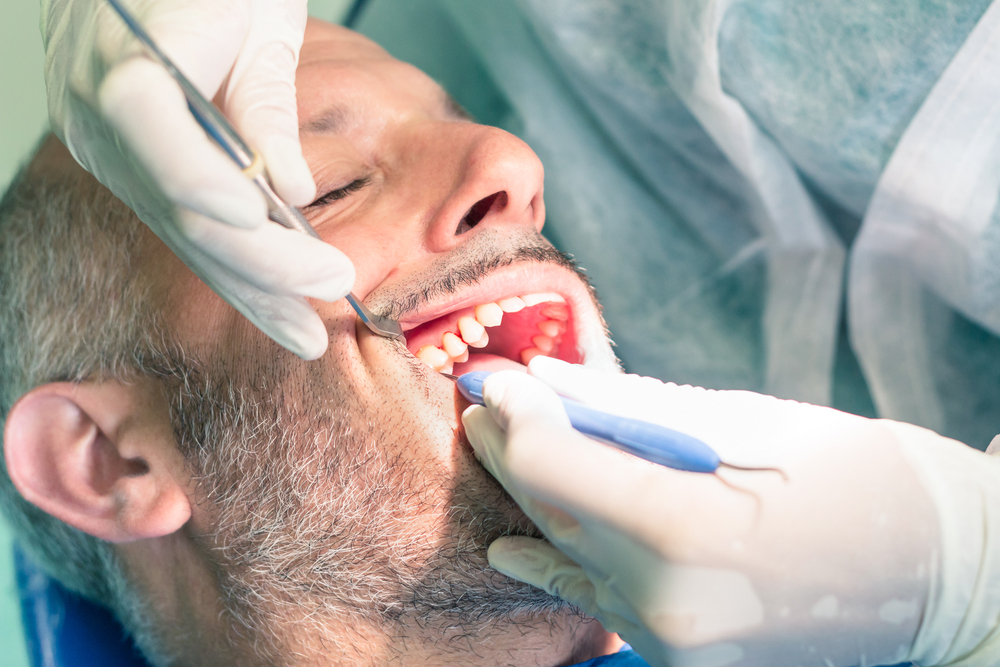
The best way to treat gum disease is by having regular dental hygiene appointments, as the dental hygienist can effectively clean your teeth. However, you also need to maintain proper oral hygiene at home for any of the treatments to be effective.
Some common gum disease treatments include:
None of these treatments will cure gum disease, and each requires daily brushing and flossing to keep the gum disease symptoms at bay.
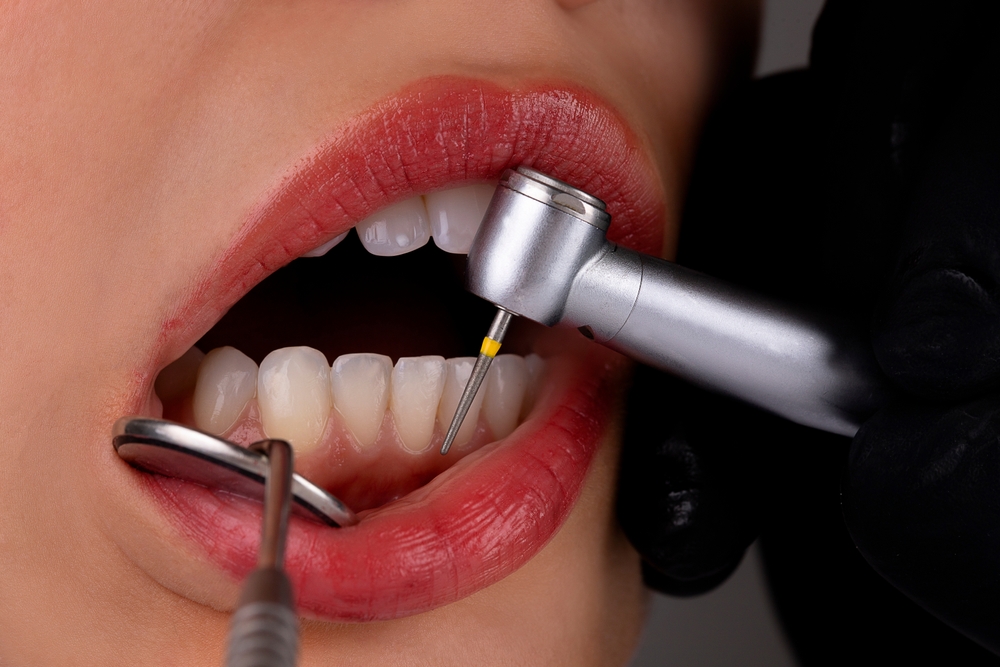
While gum disease cannot be completely reversed once it has progressed to an advanced stage, early stages of gum disease (gingivitis) can often be reversed with proper treatment and improved oral hygiene practices. This means that the inflammation and damage to the gums can be reduced or eliminated, leading to healthier gums.
However, once gum disease has progressed to periodontitis, which involves irreversible damage to the supporting structures of the teeth, the goal of treatment shifts to managing the disease and preventing further damage rather than reversing it entirely. Although the damage done to the gums and bone cannot be fully reversed, effective treatment can help halt the progression of the disease and prevent tooth loss.
Unfortunately, receded gums do not typically grow back on their own, so it’s better to halt the progression of gum disease in the early stages once you have noticed gums beginning to recede. However, certain treatments, such as gum grafting surgery, may be able to restore lost gum tissue and cover exposed tooth roots, improving both the appearance and health of the gums.
Tooth decay is not necessarily a symptom of gum disease, but it is commonly associated with the condition and similarly rarely improves without professional dental treatment once cavities have begun to form. However, with early detection and treatment, in some cases, the enamel can remineralise with improved oral hygiene and fluoride treatments.
Once a cavity progresses beyond a certain point, however, it causes irreversible damage to the tooth structure and requires intervention from a dentist, such as filling the cavity with dental material to restore the tooth’s function and structure.
So, while early stages of gum disease and cavities may be reversible with proper treatment and oral hygiene practices, more advanced stages may require management and professional treatment to prevent further damage and restore oral health.
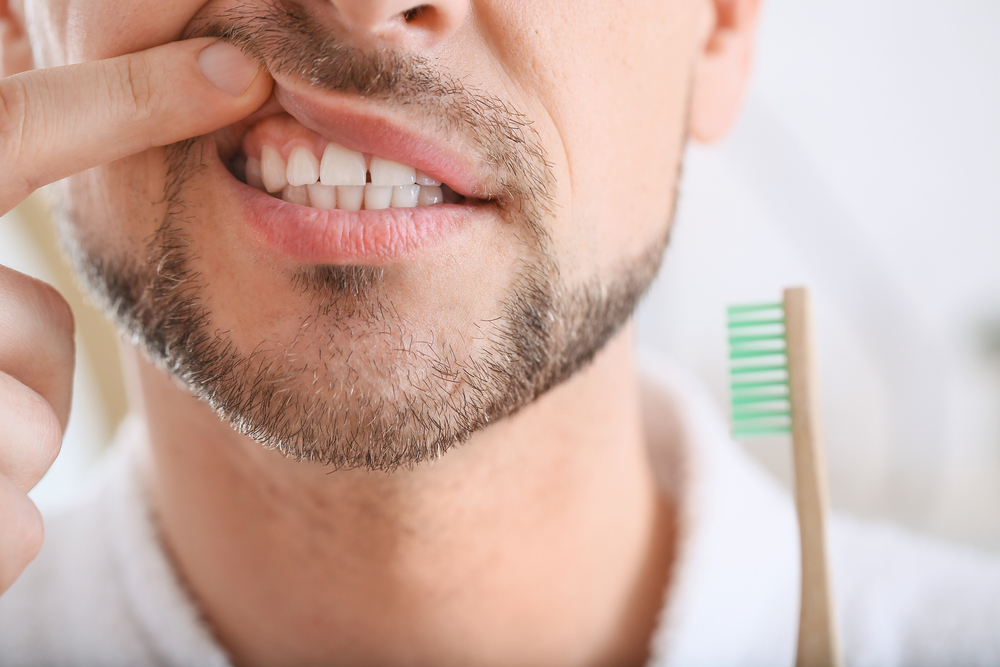
Preventing gum disease and managing symptoms once they develop both require excellent and regular oral hygiene practices, from cleaning your teeth to watching what you put in your mouth in the first place.
The best ways to improve your oral health and hygiene include:
Not all cosmetic dental procedures are just about improving the appearance of your teeth; many treatments will also improve the function of your teeth and help you to take better care of your oral hygiene once tooth decay or gum disease has taken hold.
Dental crowns and bridges are common treatments for broken or missing teeth, but there are other options available, such as veneers or composite bonding, which correct issues such as discolouration, misalignment, gaps, chips and cracks. Composite bonding is a more affordable option compared to veneers and can often be completed in a single dental visit, whereas veneers typically cost between £500 and £1,000 per tooth and usually require a couple of appointments.
Improving oral hygiene and addressing cosmetic concerns through dental procedures can enhance both the function and appearance of your teeth, promoting overall oral health and confidence in your smile.
If you need to see a dentist about gum disease or any other dental issue, contact the Eye and Dental Clinic to book your appointment!
Back to Blog

Discover how our advanced eye and dental treatments have helped patients see clearly, smile confidently, and live better with personalised care, comfort, and lasting results.
View More








Hemlata T
Had a deep clean today with Alla and Rachel, which was great, they were very gentle and even fixed a stubborn stain between my teeth, which they noticed during the...

Abs
Great service all around. Dr Uddin was knowledgeable, kind and put me at ease when having a chalazion removed. He helped me a lot with follow-up care for blepharitis, taking...
Amanda K
If I could give more than 5 stars for Mr J Uddin, I would. The reception staff were really polite and helpful. I had my chalazion removal surgery 2 months...
Nicole
Very satisfying. Dr J. Uddin removed a cyst on my upper lid. He explained everything to me before and during the procedure, and he has a very calming appearance. The...
Hemlata T
Had a deep clean today with Alla and Rachel, which was great, they were very gentle and even fixed a stubborn stain between my teeth, which they noticed during the...
Abs
Great service all around. Dr Uddin was knowledgeable, kind and put me at ease when having a chalazion removed. He helped me a lot with follow-up care for blepharitis, taking...
Amanda K
If I could give more than 5 stars for Mr J Uddin, I would. The reception staff were really polite and helpful. I had my chalazion removal surgery 2 months...
Nicole
Very satisfying. Dr J. Uddin removed a cyst on my upper lid. He explained everything to me before and during the procedure, and he has a very calming appearance. The...