
 24 Dec 2024
You must follow your dentist’s aftercare guidance following a tooth extraction to protect your socket and ensure proper healing. We’ll discuss the best practices for speedy healing.
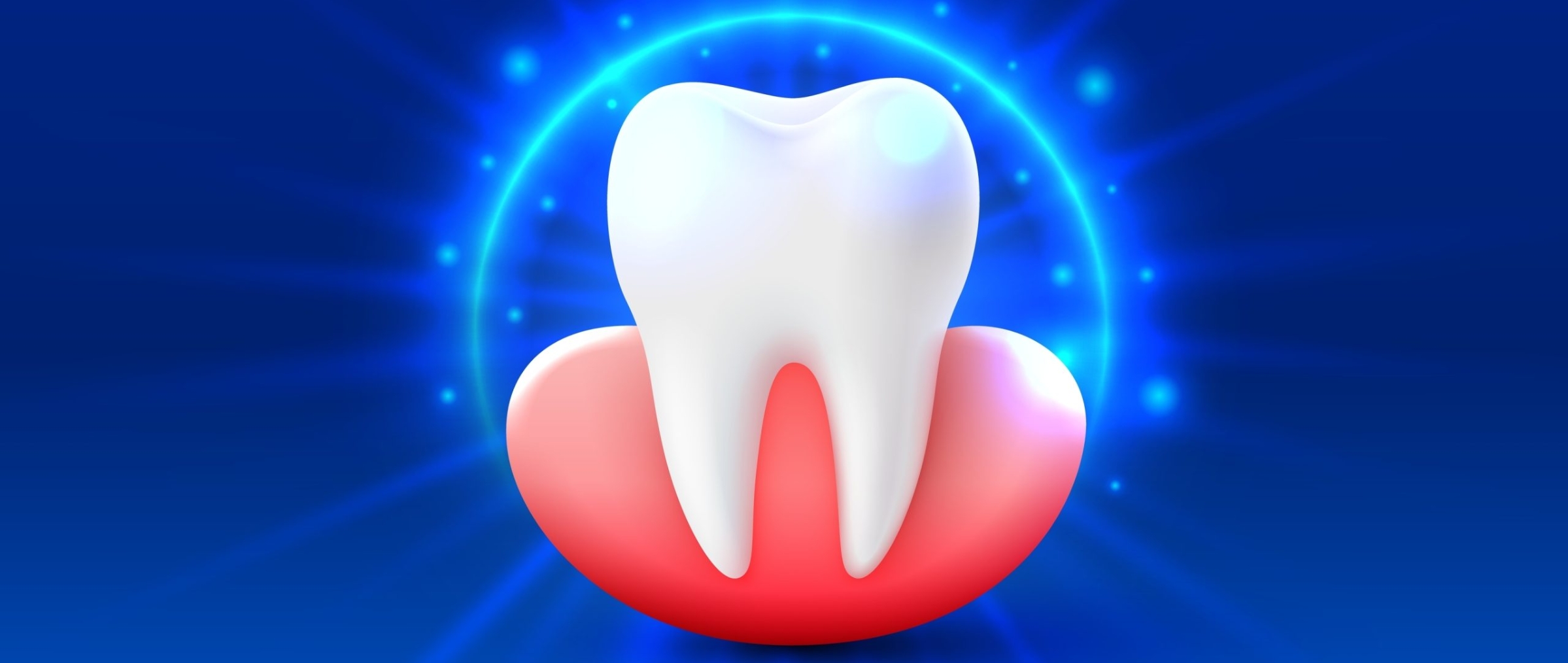
Protecting your tooth socket after an extraction is crucial to ensure proper healing and to prevent complications such as dry socket and infection. When a tooth is removed, a blood clot naturally forms in the empty socket to protect the underlying bone and nerves. This clot acts as a barrier, shielding the area from bacteria and debris while also promoting the growth of new tissue and bone.
If the clot is dislodged or fails to form, a condition called dry socket can occur, leaving the bone and nerves exposed. This can cause severe pain, delayed healing, and an increased risk of infection. Additionally, an unprotected socket is more susceptible to contamination, which can lead to swelling, pus formation, and the need for further medical intervention.
By following proper aftercare guidelines, such as avoiding activities that disrupt the clot, you can protect the extraction site and promote optimal healing.
Ultimately, prioritising the protection of your tooth socket helps ensure a smoother healing process, reduces discomfort, and minimises the risk of complications. If you experience persistent pain or your symptoms worsen rather than improve in the days after your extraction, you should seek prompt dental care to address potential issues.
Your dentist will give you guidelines for looking after your oral hygiene after your dental surgery. To protect your socket after a tooth extraction, avoid vigorous rinsing, use gauze to control bleeding, and follow your dentist’s aftercare instructions to prevent dry socket.
Here are five best practices for tooth extraction aftercare to protect the socket and promote healing.
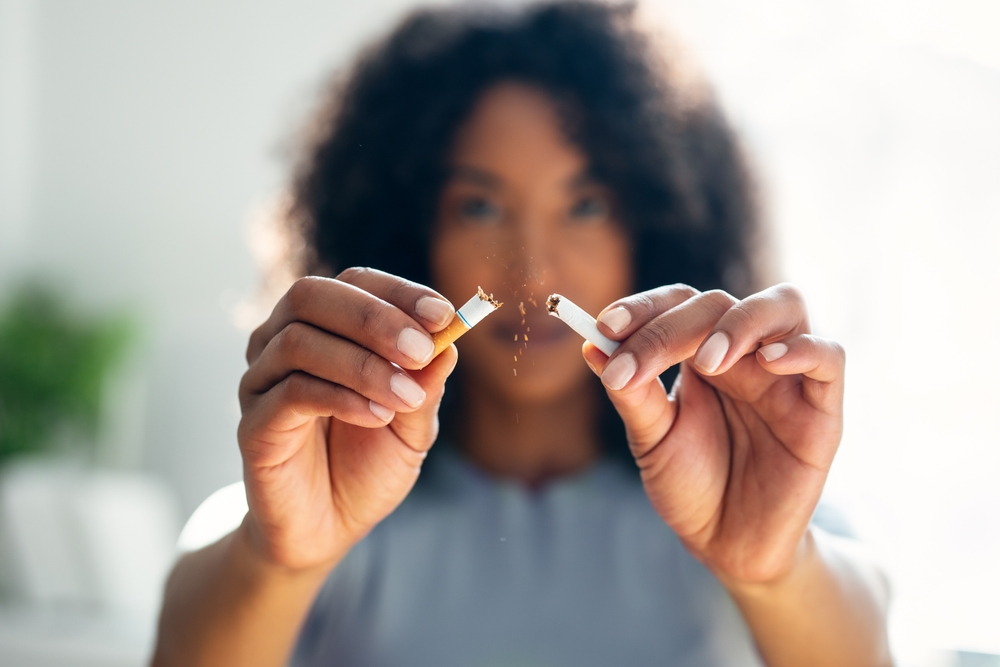
Spitting, smoking, and using straws should be avoided after a tooth extraction to allow the blood clot to form and protect the socket. These actions create suction or disrupt the clot, increasing the risk of dislodgement and leading to complications like dry socket, exposing the underlying bone and nerves. Spitting and using a straw should be avoided for at least 72 hours post-extraction.
Smoking also introduces harmful chemicals that can delay healing and increase infection risk, so smoking (cigarettes, vapes, pipes, cigars, and any other products) should be avoided for at least 5 days after having a tooth removed.
Maintaining good oral hygiene after a tooth extraction is vital to prevent infection and promote healing. If food particles are left in your mouth, your teeth will be overrun with bacteria, which ordinarily causes plaque to build up and corrode your teeth, but after tooth extraction, can cause infections.
It’s important to keep your mouth clean after your procedure, but avoid brushing near the extraction site to not disturb the blood clot. Proper hygiene ensures a smoother recovery and healthier overall oral health.
The first 5 days after your tooth extraction are key to maintaining the blood clot and helping your gum heal. You need to:
Controlling swelling and pain after a tooth extraction is essential for both healing and comfort. Swelling can delay recovery by increasing tissue irritation, while unmanaged pain can hinder daily activities.
To reduce swelling, apply an ice pack wrapped in cloth to the cheek for 10-20 minutes at a time during the first 24 hours. For pain relief, take ibuprofen as directed, but only after eating to avoid an upset stomach, and don’t take any more than the recommended dosage. Proper pain management allows your body to focus on healing while keeping you comfortable.
You will experience some pain during the first night after your tooth extraction, but it should subside over the following few days. If the pain worsens, you should contact your dentist as soon as possible.
Avoiding alcohol for at least 5 days after a tooth extraction is crucial to protect the blood clot that forms in the socket. Alcohol can interfere with clot stability by increasing blood thinning, which may cause the clot to dissolve prematurely, known as dry socket.
Additionally, alcohol irritates the extraction site and can interact negatively with prescribed painkillers or antibiotics, reducing their effectiveness. Prioritising healing by avoiding alcohol ensures the clot remains intact, safeguarding the socket and promoting a smooth recovery process.
Eating soft, room-temperature foods after a tooth extraction is important to avoid irritating the extraction site and dislodging the blood clot. Hard, crunchy, spicy, or crumbly foods can cause trauma to the healing socket, leading to pain, infection, or even dry socket. Soft foods are gentler on the mouth, minimising discomfort and promoting faster healing by allowing the clot to remain intact and protect the underlying tissues.
Staying hydrated is also crucial for overall recovery, as it supports healing, helps reduce swelling, and prevents dehydration, which can delay the healing process.
Here are 5 recommended food items to eat after a tooth extraction, along with their benefits for faster healing:
These foods are gentle on the mouth, rich in nutrients, and easy to consume, all of which contribute to a smoother and faster recovery.

It’s important to contact your dentist after a tooth extraction if you experience worsening pain or any unusual symptoms, as they may indicate complications like dry socket or infection.
A dry socket occurs when the blood clot in the extraction socket is dislodged or fails to form properly. Symptoms include intense pain, a foul taste or odour in the mouth, and visible bone in the socket. Dry socket usually develops 2-4 days after extraction if the blood clot is dislodged prematurely and requires immediate attention.
An untreated infection can spread, leading to more severe health risks. Signs of infection include:
Some bleeding is normal after extraction, but if bleeding continues for hours despite biting down on gauze, trying other methods of stopping bleeding after the extraction or if the bleeding becomes heavy, contact your dentist as soon as possible. If you become light-headed or believe the blood loss to be significant, call 999.
You should not normally experience any numbness or tingling in the lip, tongue, or chin after a tooth extraction once the anaesthetic has worn off, so this could indicate nerve damage and requires prompt evaluation.
Your dentist can assess your situation, provide pain management, or prescribe antibiotics for infection. For dry socket, they may clean the socket, apply medicated dressings, and offer pain relief. If necessary, emergency treatment can be administered to prevent complications from escalating.
Wisdom teeth extractions can be riskier due to the complexity of the procedure, but despite them often appearing early in life, in most people’s late teens and early twenties, age does not affect the risks or associated pain. Wisdom teeth are often impacted or positioned in difficult areas, making removal more challenging; if they are erupting without affecting neighbouring teeth or sitting comfortably below the gum, they most likely do not need removing.
Recover comfortably after your tooth extraction with expert guidance from the Eye and Dental Clinic. Contact us for personalised aftercare advice and follow-up support.
You can also look at patient pictures, read testimonials or simply book your appointment.
Back to Blog

Discover how our advanced eye and dental treatments have helped patients see clearly, smile confidently, and live better with personalised care, comfort, and lasting results.
View More












Hemlata T
Had a deep clean today with Alla and Rachel, which was great, they were very gentle and even fixed a stubborn stain between my teeth, which they noticed during the...

Abs
Great service all around. Dr Uddin was knowledgeable, kind and put me at ease when having a chalazion removed. He helped me a lot with follow-up care for blepharitis, taking...
Amanda K
If I could give more than 5 stars for Mr J Uddin, I would. The reception staff were really polite and helpful. I had my chalazion removal surgery 2 months...
Nicole
Very satisfying. Dr J. Uddin removed a cyst on my upper lid. He explained everything to me before and during the procedure, and he has a very calming appearance. The...
Hemlata T
Had a deep clean today with Alla and Rachel, which was great, they were very gentle and even fixed a stubborn stain between my teeth, which they noticed during the...
Abs
Great service all around. Dr Uddin was knowledgeable, kind and put me at ease when having a chalazion removed. He helped me a lot with follow-up care for blepharitis, taking...
Amanda K
If I could give more than 5 stars for Mr J Uddin, I would. The reception staff were really polite and helpful. I had my chalazion removal surgery 2 months...
Nicole
Very satisfying. Dr J. Uddin removed a cyst on my upper lid. He explained everything to me before and during the procedure, and he has a very calming appearance. The...