
 02 Apr 2024
It’s not easy to avoid emergencies, but with good oral hygiene, you can prevent them as much as possible. Let’s look at how to avoid dental emergencies and what you can do if you experience one.
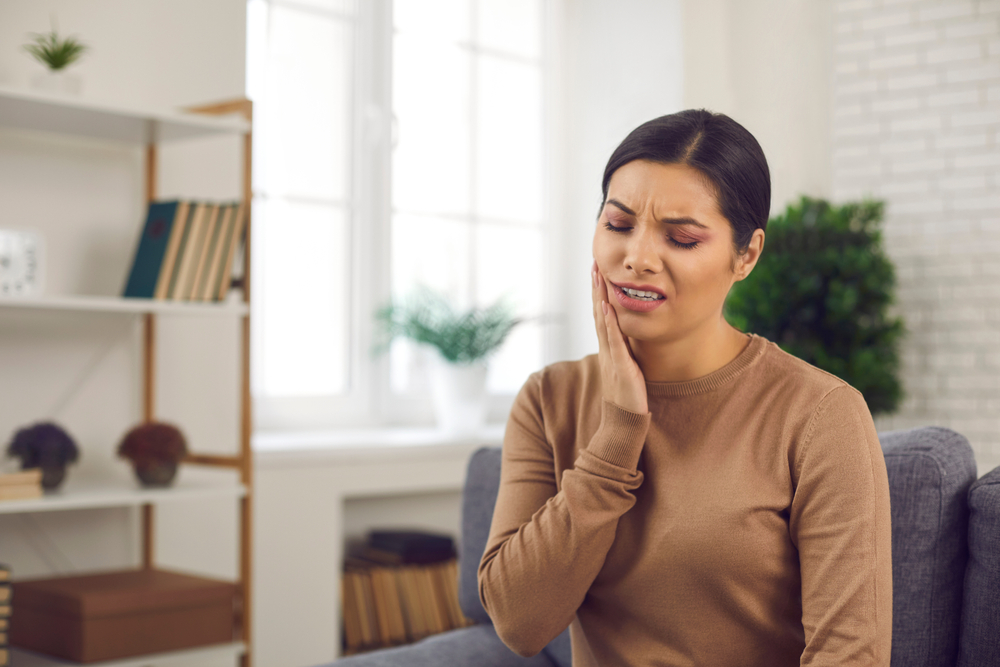
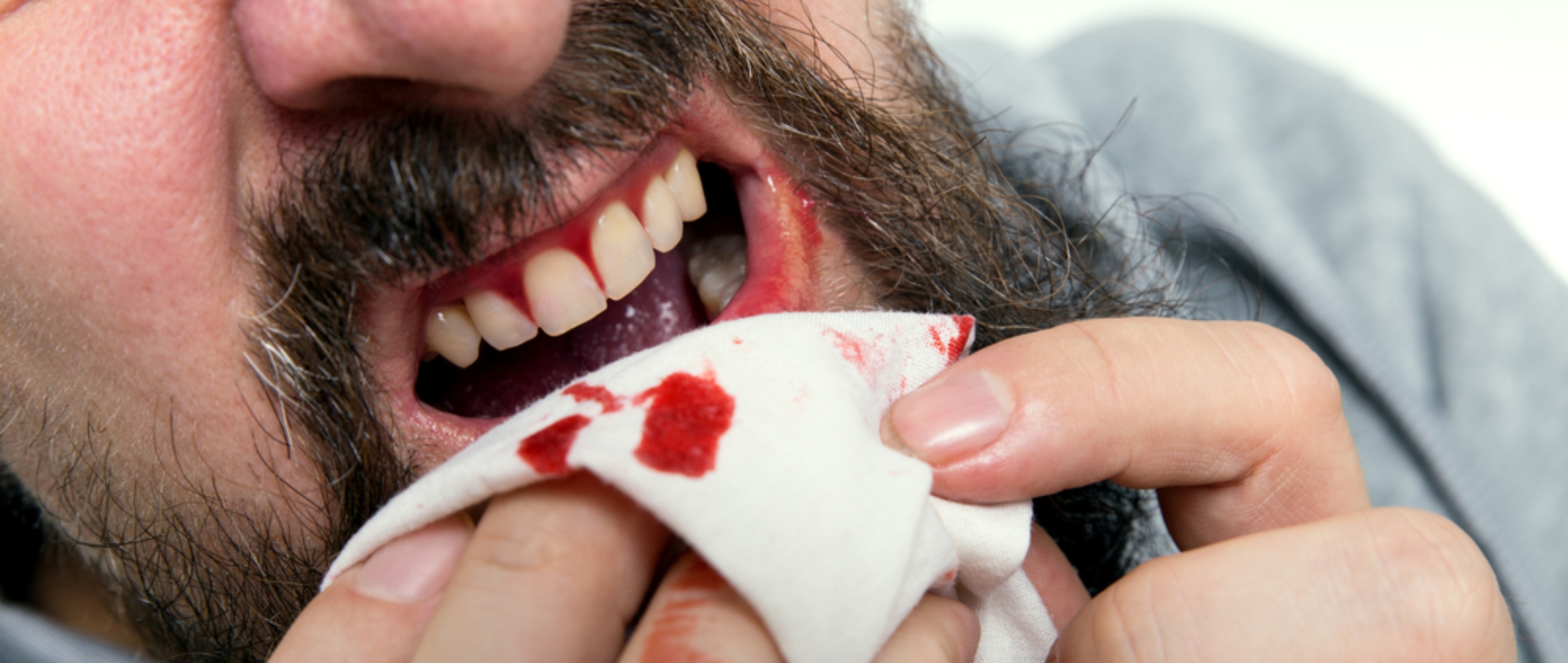
A dental emergency is any issue involving the teeth and mouth that needs immediate attention from a dentist. These emergencies can vary in severity, but they typically involve sudden pain, trauma, or damage to the teeth, gums, or jaw. Of course, resistance to pain is subjective, but if you have a severe toothache that won’t go away despite taking painkillers, you should contact a dentist for an emergency appointment as soon as possible.
The dentist or dental receptionist will assess your symptoms over the phone and will either make you an emergency appointment, advise on where you can get an appointment sooner, or offer advice on how to care for your symptoms until you can have a check-up if it’s deemed to not necessitate an emergency appointment.
Some common examples of dental emergencies include:
Most toothaches and swelling of gums can be treated easily; however, if they are accompanied by a fever or pus leakage, they should be considered urgent, as they may be a result of an infection that can spread quickly into the blood and even become life-threatening.
However, in general, any dental issue that causes severe pain, swelling, bleeding, or affects your ability to eat, speak, or carry out normal daily activities should be considered a dental emergency and requires immediate attention from a dentist.
If you’re unsure whether your situation constitutes a dental emergency, it’s best to err on the side of caution and contact your dentist for guidance. The dentist themselves, the dental receptionist or their answerphone message if you’re calling outside of normal working hours, should help you understand what steps you need to take next for your oral health.
If your symptoms seem mild and they believe you can manage your symptoms yourself until you can get a routine check-up, they’ll advise you on how to care for your teeth and gums yourself. If the dentist believes you need to be seen immediately, they’ll make you an appointment as soon as possible.
There are a few different ways to find an emergency dentist and get an appointment, although some are easier than others, so you should arrange an emergency dental appointment in the following ways:
When you make contact with the dentist or 111, they’ll need to evaluate your symptoms over the phone before scheduling you for an appointment. They’ll assess your needs and make you an appointment as soon as possible if necessary, but you may still wait up to 24 hours to see your dentist, so they will advise on the best ways to manage your symptoms while you wait for your emergency treatment.
Emergency dentists can perform a multitude of treatments in an emergency; they will discuss what needs to be done with the patient to ensure they’re happy to go ahead, including the costs of the emergency treatment. On the NHS, emergency dentists will try to alleviate the problem at hand to relieve the patient’s pain, but will likely arrange a routine appointment for further treatment at an additional cost.
Some of the things dentists can do in an emergency are:
The priority of the emergency dentist is to prevent the condition from worsening by treating the immediate symptoms as soon as possible, so if you’ve lost a tooth through injury or eating and still have the tooth, you’ll usually be seen quickly by the dentist to safely reimplant the tooth. However, for some dental emergencies, they will simply provide temporary care, such as temporary crowns to protect your tooth from damage until you return for a routine appointment, where the issue can be addressed with less urgency. Although dentists may perform tooth extractions or install bridges or crowns in emergency situations, depending on the severity.
If a tooth is severely damaged or infected and cannot be saved through other means, extraction may be necessary to alleviate pain and prevent further complications. When a tooth is lost or severely damaged, dentists may recommend the placement of a bridge or crown to restore function and appearance, but this will be a temporary crown or bridge, as permanent fixtures require more time, money, and teeth moulds to be taken to match your bite.
Not every type of dental issue is an emergency, and not every emergency case will be able to be treated within 24 hours, so you need to be able to manage your symptoms until you can see a dentist.
If you have a severe toothache or bleeding gums, it’s important to continue to practise good oral hygiene, including brushing gently and regularly rinsing your mouth with saltwater to remove most bacteria and reduce inflammation. Ibuprofen can also be a useful painkiller as it helps to reduce inflammation as well. Applying a cold compress or ice pack to the outside of your cheek near the painful area also helps to numb the area and reduce swelling.
For most dental problems, avoid eating or drinking very hot or cold foods and beverages, as they can exacerbate tooth sensitivity, and chew any foods on the opposite side of your mouth to where you’re experiencing pain.
These measures are temporary and are not a substitute for professional dental care. Be sure to schedule a dental appointment as soon as possible to address the underlying cause of your symptoms and receive appropriate treatment from a dentist. If your symptoms worsen or you experience severe pain or swelling, seek prompt medical attention from an emergency dentist.
Having routine dental check-ups at least twice a year is essential for maintaining optimal oral health and preventing dental problems. By seeing a dentist regularly, they can identify potential issues in their early stages before they progress into more serious problems. Detecting issues such as cavities, gum disease, or oral infections early on enables dentists to intervene promptly and prevent further damage.
Further preventive measures, such as professional cleanings, fluoride treatments, and dental sealants, can help strengthen teeth, protect against decay, and reduce the risk of developing cavities or gum disease, which may cause dental emergencies if unidentified and untreated.
Dentists can then track oral health indicators such as gum health, tooth wear, and signs of decay, intervening when necessary or advising the patient on better dental hygiene.
Oral health is closely linked to overall physical health, with research suggesting associations between poor oral health and systemic conditions such as cardiovascular disease and diabetes, among other conditions. Regular dental check-ups can help to prevent serious ill-health. Preventive dental care is also more cost-effective in the long run compared to expensive emergency treatment, so you can save your time, health and money by registering with a dentist and having regular check-ups.
If you need a routine appointment or emergency dental care, contact the Eye and Dental Clinic today! The Eye and Dental Clinic has an expert team of dentists ready to diagnose and treat your dental health issues.
Read our latest news for more interesting blogs (like this one on dental implants) or read our practice policies:


Discover how our advanced eye and dental treatments have helped patients see clearly, smile confidently, and live better with personalised care, comfort, and lasting results.
View More







Hemlata T
Had a deep clean today with Alla and Rachel, which was great, they were very gentle and even fixed a stubborn stain between my teeth, which they noticed during the...

Abs
Great service all around. Dr Uddin was knowledgeable, kind and put me at ease when having a chalazion removed. He helped me a lot with follow-up care for blepharitis, taking...
Amanda K
If I could give more than 5 stars for Mr J Uddin, I would. The reception staff were really polite and helpful. I had my chalazion removal surgery 2 months...
Nicole
Very satisfying. Dr J. Uddin removed a cyst on my upper lid. He explained everything to me before and during the procedure, and he has a very calming appearance. The...
Hemlata T
Had a deep clean today with Alla and Rachel, which was great, they were very gentle and even fixed a stubborn stain between my teeth, which they noticed during the...
Abs
Great service all around. Dr Uddin was knowledgeable, kind and put me at ease when having a chalazion removed. He helped me a lot with follow-up care for blepharitis, taking...
Amanda K
If I could give more than 5 stars for Mr J Uddin, I would. The reception staff were really polite and helpful. I had my chalazion removal surgery 2 months...
Nicole
Very satisfying. Dr J. Uddin removed a cyst on my upper lid. He explained everything to me before and during the procedure, and he has a very calming appearance. The...