
 22 Mar 2024
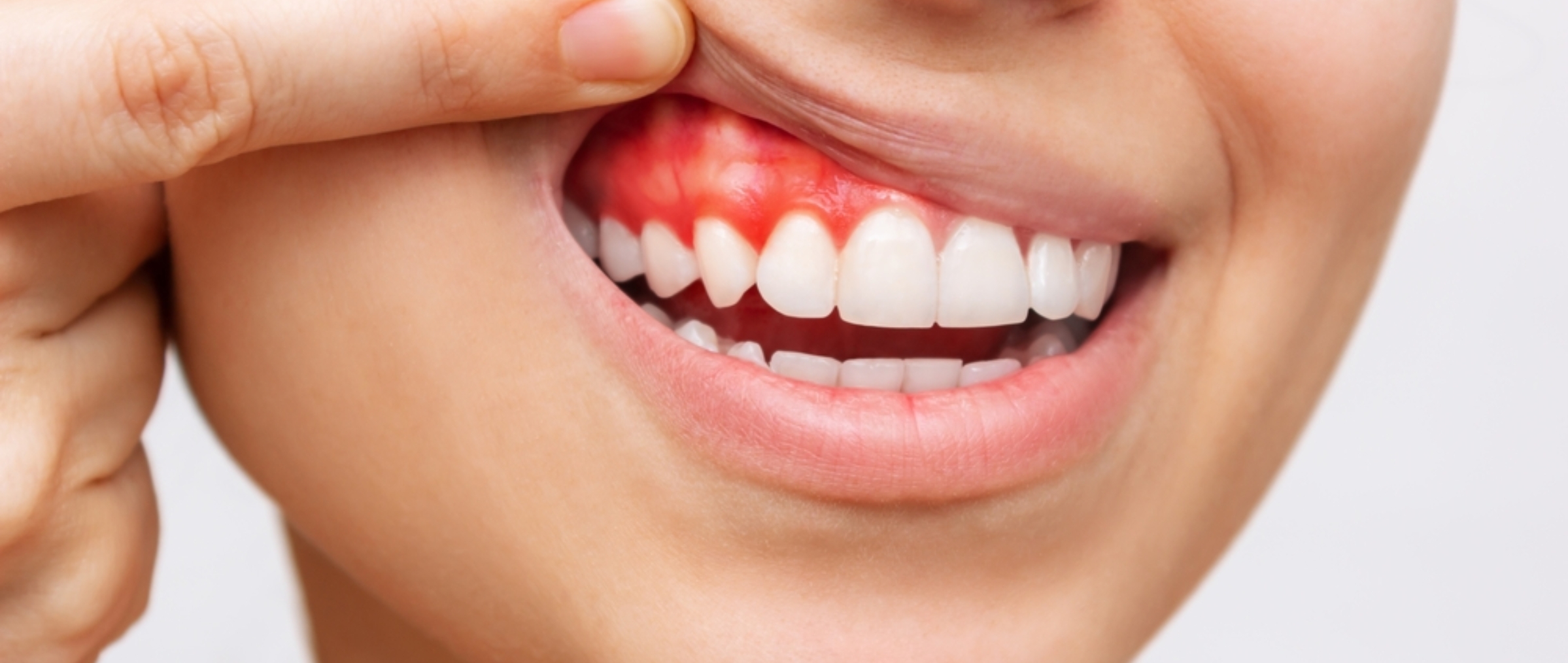
Gum disease is a common affliction in the UK and becomes more common as people get older. Gum disease is the inflammation of the gums caused by bacteria build-up on the teeth, which creates pockets of plaque between the teeth and gums. Prevention is as important as management of symptoms, so let’s look at the best ways to prevent and treat gum disease.
If left untreated, gum disease can lead to tooth loss and damage to the supporting bone and tissues, so early detection and professional dental care are crucial to prevent serious complications.
However, preventing gum disease begins with practising good oral hygiene habits, including brushing teeth twice daily with fluoride toothpaste and flossing daily to remove plaque and food particles from between teeth. Regular visits – ideally once every 6 months – to the dentist for check-ups and professional cleanings help detect and treat gum disease early, reducing the risk of future complications.
Symptoms of gum disease include:
So recognising the symptoms can help individuals significantly reduce their risk of developing gum disease and maintain optimal oral health throughout their lives.
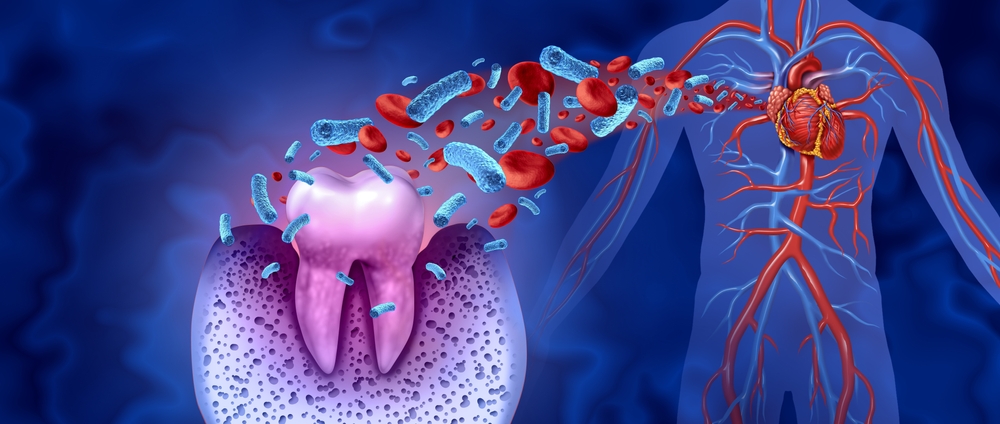
Infections are never something to be ignored, wherever they are in the body, and gum disease is no different. However, it’s very unlikely that gum disease will lead directly to death. Although it can lead to potentially life-threatening conditions if left untreated for a significant period of time.
Gum disease is an inflammatory condition caused by bacterial infection of the gums and tissues supporting the teeth; constant inflammation in the body can disrupt the immune system, keeping the glands swollen, trying to fight the infection and even spreading into the blood, contributing to cardiovascular disease.
If gum disease progresses to an advanced stage, from gingivitis to periodontal disease, it can lead to significant damage to the gums, teeth, and underlying bone structure, potentially causing:
While gum disease itself may not directly cause death, its complications can contribute to overall health decline and potentially increase the risk of life-threatening conditions. Therefore, it’s essential to practise good oral hygiene at home and have regular dental check-ups to prevent gum disease and its potential complications.

Gum disease cannot be cured once it has reached advanced stages, so it’s important to prevent the disease as much as possible and begin treatment for it once symptoms first arise. There are, however, effective treatments that help manage symptoms and prevent gum disease from worsening. The most effective treatment for gum disease is a flush performed by a dental hygienist, but there are some things you can do to help treat your gum disease and reduce the chances of it getting worse, from changing some of your habits to improving your oral hygiene. Here are some tips on how to cure gum disease without a dentist.
Practising excellent oral hygiene is essential to prevent and treat gum disease as it helps to remove bacteria, food particles and sugars that the bacteria feed and thrive on from our mouths. Bacteria form a sticky film called plaque, which coats our teeth and causes our gums to become inflamed and gradually recede. Some plaque on our teeth is normal and can be removed by a dentist; however, too much can cause or exacerbate gum disease, so it’s essential to remove as much as possible.
For good oral hygiene, you must:
Many people neglect their tongue and gums when brushing their teeth, but they can also hold onto bacteria, increasing the chances of gum disease. Most dentists recommend using soft toothbrushes so you can comfortably brush vigorously while avoiding damage. Hard toothbrushes can remove enamel, so they should be avoided.
You can also benefit from rinsing your mouth with saltwater several times a day to reduce inflammation of your gums and help them to heal. When treatment is effective, gums that have receded can begin to slowly grow back; however, this isn’t always the case, so it’s best to halt gum disease as early as possible.
Two of the main contributors to gum disease and other dental woes are sugar and smoking. So if you’re trying to cure your gum disease without a dentist, the first two steps to take are quitting or avoiding smoking and significantly reducing the amount of sugar in your diet.
A balanced diet rich in nutrients promotes gum health, while avoiding sugary foods helps reduce plaque buildup as the bacteria have less food won hich it needs to thrive in your mouth. Quitting smoking also reduces inflammation and enhances the body’s ability to fight infections. Stopping smoking can be hard, however, so make use of your local services and online resources for help stopping smoking.
Another simple way of changing your habits to improve your symptoms of gum disease is by drinking more water. Staying hydrated is generally good for your overall health, but drinking plenty of water throughout the day helps to keep your mouth moist, preventing bad breath and washing away food particles and bacteria stuck in your teeth.
For the overall health of your teeth and gums, you should also refrain from using your teeth as tools, for example, to tighten knots or cut tape. This can damage the tooth enamel, chip teeth and cause teeth to become loose in the socket, so avoiding these practices can help reduce the risk of gum disease.
While these home remedies may provide some relief from mild gum disease symptoms, they are not a substitute for professional dental care.
If you suspect you have gum disease or are experiencing persistent symptoms such as bleeding gums, pain, or swelling, it’s essential to seek evaluation and treatment from a dentist, as they can help you understand and address the causes of your gum disease as well as provide excellent treatment to prevent the condition from worsening. Untreated gum disease can progress rapidly without professional dental treatment and lead to more severe complications, including tooth loss and damage to the supporting bone and tissues.
To keep your teeth and gums intact, it’s essential to regularly visit your dentist for check-ups and treatment for your gum disease before it becomes an emergency.

You can receive emergency dental treatment through the NHS and through private dental practices in the UK if a dental emergency occurs. You should not visit a hospital emergency department with dental issues, as they are there for life-threatening emergencies only, and dental professionals are the best equipped to deal with dental health problems.
If you need to see a dentist in an emergency, i.e. you have a sudden, unbearable toothache, you have lost or broken a tooth, or your gums or face are swollen, you should call your regular dentist immediately to find out if they can book you an appointment. If it’s outside of their normal working hours or you don’t have a regular dentist, you can call NHS 111 for more information on available services near you.
Emergency dental care is more expensive than regular dental treatments, so it’s integral to stay on top of your oral health with regular check-ups to prevent emergencies.
Cosmetic dentistry is not considered an emergency and is not available on the NHS, despite improving people’s mental health by improving the aesthetics of their teeth and smile. If you want to fix chipped or discoloured teeth with composite bonding, also known as dental bonding, or composite veneers, you should find a private dental practice. They will assess the overall health of your teeth and ask about your desired look and budget before recommending the best treatment for you.
Book your appointment with the Eye and Dental Clinic today!
Back to Blog

Discover how our advanced eye and dental treatments have helped patients see clearly, smile confidently, and live better with personalised care, comfort, and lasting results.
View More








Hemlata T
Had a deep clean today with Alla and Rachel, which was great, they were very gentle and even fixed a stubborn stain between my teeth, which they noticed during the...

Abs
Great service all around. Dr Uddin was knowledgeable, kind and put me at ease when having a chalazion removed. He helped me a lot with follow-up care for blepharitis, taking...
Amanda K
If I could give more than 5 stars for Mr J Uddin, I would. The reception staff were really polite and helpful. I had my chalazion removal surgery 2 months...
Nicole
Very satisfying. Dr J. Uddin removed a cyst on my upper lid. He explained everything to me before and during the procedure, and he has a very calming appearance. The...
Hemlata T
Had a deep clean today with Alla and Rachel, which was great, they were very gentle and even fixed a stubborn stain between my teeth, which they noticed during the...
Abs
Great service all around. Dr Uddin was knowledgeable, kind and put me at ease when having a chalazion removed. He helped me a lot with follow-up care for blepharitis, taking...
Amanda K
If I could give more than 5 stars for Mr J Uddin, I would. The reception staff were really polite and helpful. I had my chalazion removal surgery 2 months...
Nicole
Very satisfying. Dr J. Uddin removed a cyst on my upper lid. He explained everything to me before and during the procedure, and he has a very calming appearance. The...