

 23 Dec 2024
A normal post-extraction socket shows gradual healing with minimal pain and slight swelling, while an abnormal socket may exhibit severe pain, persistent bleeding, or signs of infection like pus or foul odour. Being aware of the signs and symptoms of a healthy, healing gum and an infected or abnormal socket is crucial to get help when necessary. We’ll discuss everything you need to know about normal and abnormal sockets post-tooth extraction.
After a tooth extraction, a normal tooth socket undergoes a healing process that progresses through several stages, each with distinct characteristics. Immediately after the extraction, the socket appears as an open hole in the gums where the tooth once was. The area is usually filled with blood, which quickly clots to protect the exposed bone and nerves, aiding in the healing process; this blood clot is essential for normal healing and should not be disturbed.
In the first few days, the surrounding gum tissue may appear slightly swollen and red, which is a normal inflammatory response. As healing progresses over the next week or two, the blood clot solidifies and is gradually replaced by granulation tissue, which appears pinkish or whitish and is part of the body’s natural repair mechanism.
By the third to fourth week, the socket begins to fill with new bone and connective tissue. The gums around the area should start to shrink and close over the socket. Over the following months, the underlying bone regenerates fully, and the socket becomes smoother.
It’s important to note that any different symptoms from healthy healing gums may require attention from a dentist. If you’re unsure about your healing progress, consult your dentist for evaluation and guidance.
Here are five signs that indicate your tooth socket is healing normally after an extraction:
If these signs align with your healing progress, it’s likely that your socket is recovering normally. Always follow your dentist’s aftercare instructions to enable proper healing.

Abnormal healing of a tooth socket after extraction can manifest in various signs, indicating potential complications. Recognising these signs early is crucial for timely intervention.
One major concern is persistent or worsening pain beyond 2-3 days post-extraction, which may indicate dry socket – a condition where the blood clot is dislodged or fails to form. Without the protective clot, exposed bone and nerves cause intense discomfort, and the gum is susceptible to bacteria entering, which can cause an infection.
Prolonged bleeding that doesn’t subside after 24-48 hours is another sign of abnormal healing. While minor oozing is normal, consistent or heavy bleeding may suggest a problem.
Swelling and redness around the extraction site that don’t diminish or worsen after a few days could indicate an infection. Accompanying symptoms can include:
If the socket remains empty-looking or doesn’t show signs of pink or whitish granulation tissue within a week, healing might be delayed, but this doesn’t necessarily need to be cause for concern unless you are experiencing other problematic symptoms.
Lastly, a bad taste or odour from the socket, despite proper oral hygiene, may point to an infection or food debris trapped in the area.
You should seek dental attention immediately if you experience any of the above symptoms or signs of dry socket. Early intervention, such as cleaning the socket or taking antibiotics for infection, can prevent further complications.
You should contact your dentist urgently for emergency treatment if you experience any unusual or severe symptoms following a tooth extraction. Common reasons to seek advice include:
If you experience heavy blood loss, difficulty breathing, or any severe symptoms that are life-threatening, call NHS 111 or go to A&E straight away. Hospitals cannot normally treat dental issues; however, they can provide life-saving treatment where necessary, and refer you back to a dentist for any essential dental work afterwards.
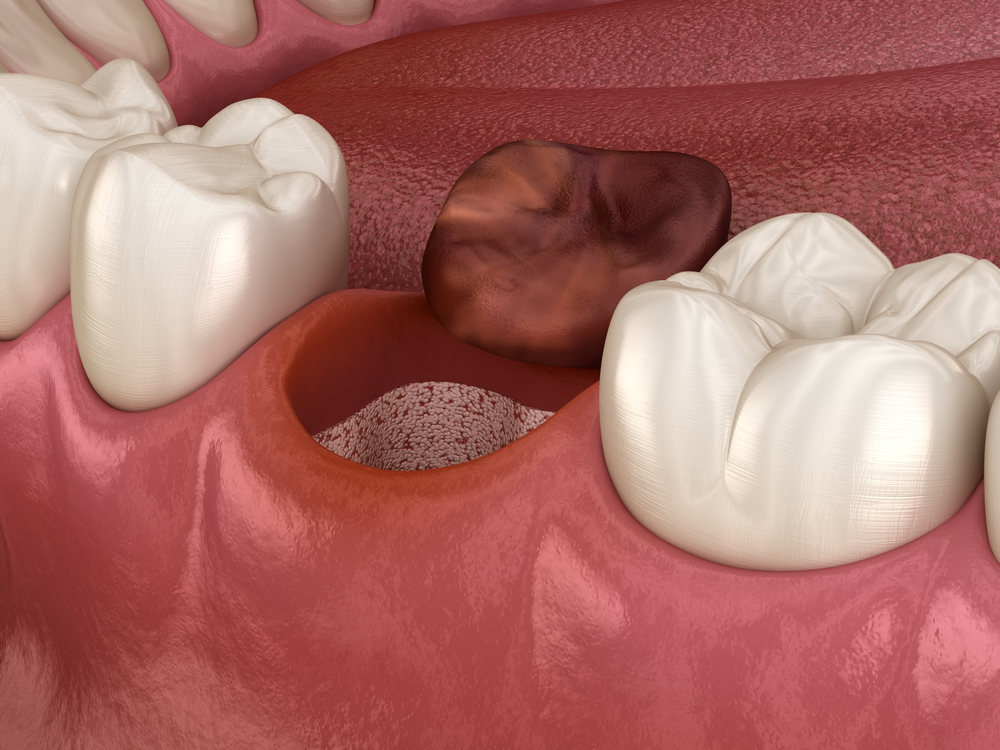
Dry socket, or alveolar osteitis, is a painful condition that can occur after tooth extraction when the blood clot protecting the underlying bone and nerves becomes dislodged or fails to form. This exposes the socket to air, food, and bacteria, causing severe pain that often radiates to the ear, eye, or temple.
Dry socket typically develops 2-3 days post-extraction and is more common in molar extractions, especially wisdom teeth, which can be a more complex surgical procedure when necessary. This doesn’t mean wisdom teeth extractions are always more painful, but you may experience more swelling in the area post-extraction, requiring the use of painkillers and cold packs.
To avoid dry socket, follow post-extraction care instructions, including:
If dry socket occurs, contact your dentist promptly. Treatment involves cleaning the socket, applying a medicated dressing to reduce pain, and possibly prescribing painkillers. Proper care ensures faster recovery and reduced discomfort.
Post-extraction infections occur when bacteria enter the tooth socket, leading to inflammation, swelling, and sometimes pus formation. These infections can develop if the blood clot fails to form properly or becomes dislodged, leaving the site exposed.
Symptoms include:
Infections may arise due to poor oral hygiene, food particles getting trapped in the socket, or pre-existing oral health issues. To avoid infection, maintain good oral hygiene by rinsing gently with salt water after 24 hours and keeping the rest of the teeth clean with brushing, being careful of the extraction site.
If an infection occurs, contact your dentist immediately. Treatment typically involves cleaning the site, draining any abscess, and prescribing antibiotics to control the infection and prevent it from spreading to neighbouring teeth. Early intervention prevents complications and promotes healing.

Promoting healthy healing after a tooth extraction involves proper care to protect the socket and encourage tissue regeneration.
To stop bleeding and form a blood clot, bite gently on gauze placed over the extraction site for 30-45 minutes immediately after the procedure. If bleeding persists, replace the gauze with a fresh piece and continue biting. Avoid spitting, using straws, or vigorous rinsing for the first 24 hours, as these actions can dislodge the clot.
To manage pain and swelling, over-the-counter painkillers like ibuprofen or paracetamol can be used as directed. Ibuprofen, in particular, helps reduce inflammation and improve comfort, but shouldn’t be taken on an empty stomach to avoid irritation. This also makes it easier to eat, which is crucial for maintaining a healthy immune system post-surgery.
Proper care is especially important for wisdom teeth extractions, which may involve deeper sockets and a greater risk of complications. Use cold compresses on the first day to reduce swelling, transitioning to warm compresses after 48 hours if needed.
Following these steps ensures a smoother recovery and reduces the risk of complications.
Concerned about your healing after a tooth extraction? Contact Eye and Dental Clinic today for expert care and advice to ensure a smooth recovery.
Check out patient pictures, testimonials or simply book your appointment.
Back to Blog

Discover how our advanced eye and dental treatments have helped patients see clearly, smile confidently, and live better with personalised care, comfort, and lasting results.
View More












Hemlata T
Had a deep clean today with Alla and Rachel, which was great, they were very gentle and even fixed a stubborn stain between my teeth, which they noticed during the...

Abs
Great service all around. Dr Uddin was knowledgeable, kind and put me at ease when having a chalazion removed. He helped me a lot with follow-up care for blepharitis, taking...
Amanda K
If I could give more than 5 stars for Mr J Uddin, I would. The reception staff were really polite and helpful. I had my chalazion removal surgery 2 months...
Nicole
Very satisfying. Dr J. Uddin removed a cyst on my upper lid. He explained everything to me before and during the procedure, and he has a very calming appearance. The...
Hemlata T
Had a deep clean today with Alla and Rachel, which was great, they were very gentle and even fixed a stubborn stain between my teeth, which they noticed during the...
Abs
Great service all around. Dr Uddin was knowledgeable, kind and put me at ease when having a chalazion removed. He helped me a lot with follow-up care for blepharitis, taking...
Amanda K
If I could give more than 5 stars for Mr J Uddin, I would. The reception staff were really polite and helpful. I had my chalazion removal surgery 2 months...
Nicole
Very satisfying. Dr J. Uddin removed a cyst on my upper lid. He explained everything to me before and during the procedure, and he has a very calming appearance. The...