

 23 Dec 2024
Understanding what happens after a tooth extraction can ease concerns during recovery. A normal socket after tooth extraction will develop a blood clot to protect the area, followed by gradual tissue healing over several days to weeks. We’ll discuss the healing process, key milestones, and signs to ensure a smooth recovery.
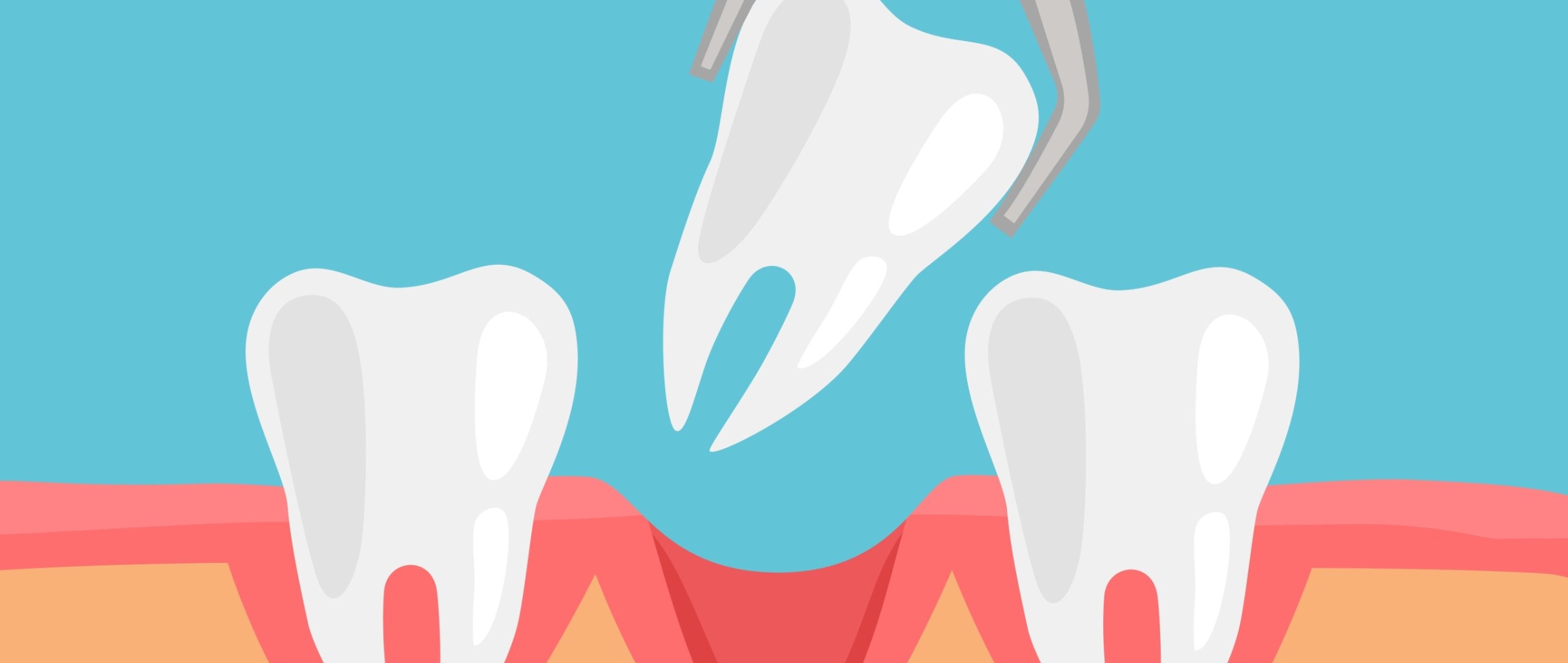
After a tooth extraction, the empty socket in your jawbone undergoes a natural and structured healing process. Initially, a blood clot forms within the socket, serving as a protective layer for the underlying bone and nerves while providing a foundation for tissue regeneration.
In the first few days, the body enters an inflammatory phase, during which swelling and tenderness may occur as white blood cells and other healing agents are sent to the site to combat infection and begin repair. By the fourth day, the proliferative phase begins, during which granulation tissue, rich in new blood vessels, starts to fill the socket and gradually replaces the blood clot.
Over the following weeks and months, this granulation tissue is replaced by woven bone during the ‘bone remodelling phase’. As the bone matures, it strengthens and transforms into compact bone, restoring the jaw’s structure. Simultaneously, the gum tissue around the socket heals and closes.
Proper aftercare is crucial in the few weeks following a tooth extraction to enable a full recovery and avoid complications. Avoiding actions that can dislodge the blood clot, such as smoking or vigorous rinsing or spitting, helps prevent dry socket, a painful condition where the underlying bone and nerves are exposed. With time and care, the socket fully heals, leaving the jaw ready for further restorative options, such as dental implants, which restore function and aesthetics.
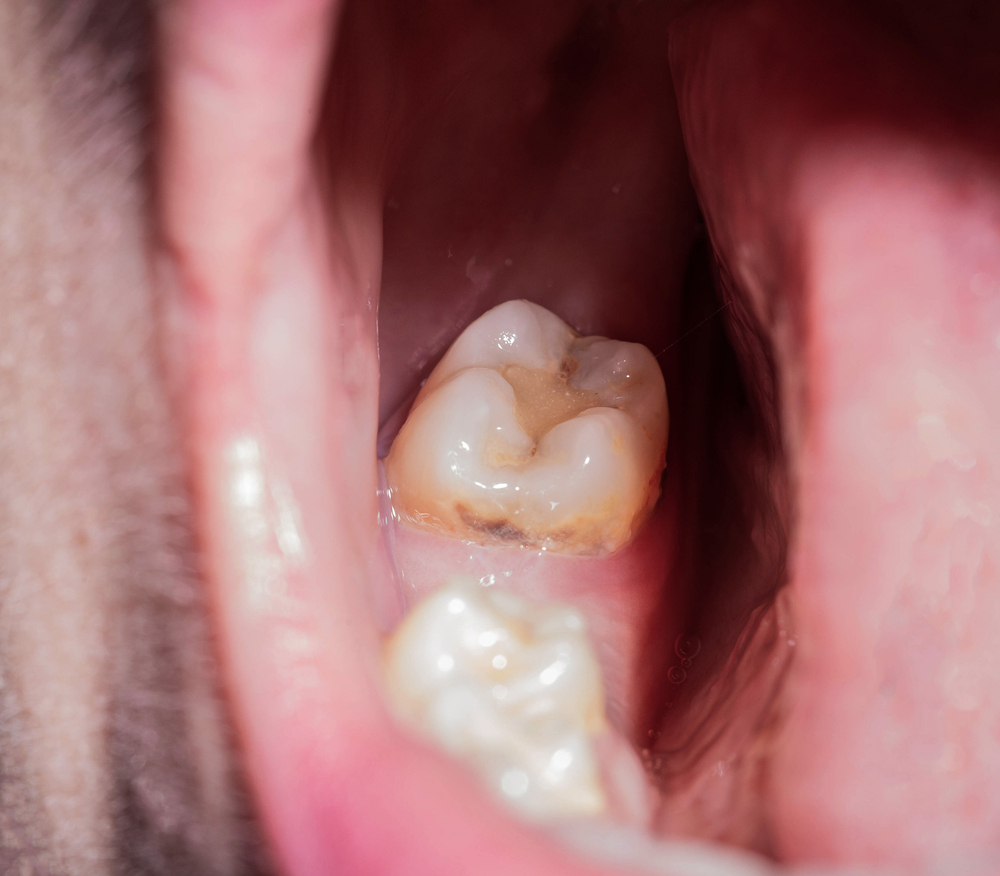
The healing process after a tooth extraction typically progresses through several stages. The timeline for healing can vary depending on factors such as the complexity of the extraction and individual health conditions. However, the general stages of healing for a socket post-tooth extraction are as follows:
We’ll look into each stage in more detail.
Immediately after extraction, the body works to stop the bleeding. A blood clot forms in the empty socket, which is essential for the healing process. The clot not only protects the underlying bone and nerves from bacteria and food particles, but it also enables the nerve to regrow.
You may experience mild to moderate swelling and discomfort during this period, which is normal.
It’s important to avoid dislodging the clot by not sucking, spitting forcefully, drinking alcohol or drinking through a straw, and sticking to a soft, nutritious diet.
Inflammation occurs as part of the body’s natural healing process. The tissue around the socket may appear red and swollen, and you may experience pain and discomfort. White blood cells and other immune cells move to the site to prevent infection and remove any debris from the extraction site.
The blood clot continues to stabilise.
You can manage the pain effectively with painkillers, but be wary of taking ibuprofen on an empty stomach.
During this phase, new tissue begins to form in the socket. Fibrous tissue starts to replace the blood clot, and the body creates granulation tissue, which is a vital step for healing.
The socket begins to fill with a mixture of tissue and bone cells, and the pain and swelling should start to subside as your gum regrows.
The body begins replacing the fibrous tissue with new bone in a process called ossification. The new bone begins to fill in the socket, though the socket may not yet return to its original shape. The gums around the socket begin to heal, and the tissue starts to close over the extraction site.
You can return to eating and drinking as normal at this stage, unless you still experience any discomfort.
The final stage of healing involves remodelling the bone. The newly formed bone becomes more compact, and the socket continues to fill and reshape. Over time, the bone becomes stronger.
In rare cases, a bone graft may be necessary if the bone loss is significant. The gums continue to adjust and heal, although there may be some slight changes in gum contour over time.
Throughout the healing process, it’s important to follow aftercare instructions to minimise the risk of complications such as infection or dry socket. If there are signs of prolonged pain, unusual swelling, or infection, you should consult your dentist as soon as possible.

It’s helpful to take steps to protect the blood clot that forms in the socket after a tooth extraction to promote healing and prevent complications, which can cause further pain and dental woes. Activities like spitting, using straws, or rinsing too vigorously may disturb this clot, so it’s a good idea to handle the area gently. Dentists often recommend rinsing with a mild saltwater solution after about 24 hours, which can aid in keeping the site clean without causing irritation.
Choosing soft, easy-to-eat foods and staying hydrated can be beneficial during recovery, while hard, crunchy, or very hot items are best avoided as they might irritate the area. For managing discomfort, following your dentist’s advice on medications – whether prescribed or over-the-counter – can help with pain and swelling. Additionally, you must avoid smoking or drinking alcohol for at least 5 days post-extraction, as both can significantly disrupt the healing process.
Post-extraction care tips:
Consistent care ensures faster recovery and healthier results.
A healthy healing socket after tooth extraction exhibits several key signs indicating proper recovery. Initially, a stable blood clot forms in the socket, which is crucial for protecting the underlying bone and nerves. Over the first week, mild swelling and tenderness are normal, gradually subsiding as the healing progresses.
The socket then appears as soft, pinkish tissue that eventually covers the area. Healthy gums surrounding the socket should show no signs of excessive redness, swelling, or discharge, and the overall area should be free of foul odours or persistent pain.
As healing continues, discomfort diminishes, and the gum tissue regenerates, closing over the socket within a few weeks. By the end of the first month, the bone starts to remodel, creating a strong foundation beneath the gum.
If these signs are present, the socket is healing well. Persistent pain, swelling, or pus could indicate complications requiring dental attention.

While most tooth extractions heal smoothly, complications can arise. Recognising warning signs early is essential to prevent further issues. A common complication is dry socket, where the protective blood clot dislodges, exposing the underlying bone and nerves. This causes severe, throbbing pain that radiates to nearby areas.
Other concerning signs include excessive bleeding that doesn’t subside after 24 hours, persistent swelling or redness beyond the first week, or foul-smelling discharge indicating infection. Fever, chills, or general malaise could also signal an infection. Difficulty opening the mouth (trismus) or a foul taste that persists despite rinsing may point to complications.
Seek dental help immediately if these symptoms occur, as early intervention can prevent worsening conditions, such as a spreading infection or delayed healing. Follow all post-operative instructions carefully, and don’t hesitate to contact your dentist if something feels unusual or painful during the recovery process.
Didsbury Dental Practice ensures a smooth recovery after procedures like tooth extractions, including wisdom teeth – although removal isn’t always necessary unless issues arise. Their personalised guidance helps you navigate challenges like coping with your first night after tooth extraction, providing aftercare advice to reduce discomfort.
Didsbury Dental Practice is also available for emergency treatment, offering prompt support if complications occur.
Need personalised post-extraction care? Contact Eye and Dental Clinic today for expert advice and support to ensure a smooth recovery, or simply book your appointment now.
Read patient testimonials or look at patient recovery pictures to learn more about us.
Back to Blog

Discover how our advanced eye and dental treatments have helped patients see clearly, smile confidently, and live better with personalised care, comfort, and lasting results.
View More














Hemlata T
Had a deep clean today with Alla and Rachel, which was great, they were very gentle and even fixed a stubborn stain between my teeth, which they noticed during the...

Abs
Great service all around. Dr Uddin was knowledgeable, kind and put me at ease when having a chalazion removed. He helped me a lot with follow-up care for blepharitis, taking...
Amanda K
If I could give more than 5 stars for Mr J Uddin, I would. The reception staff were really polite and helpful. I had my chalazion removal surgery 2 months...
Nicole
Very satisfying. Dr J. Uddin removed a cyst on my upper lid. He explained everything to me before and during the procedure, and he has a very calming appearance. The...
Hemlata T
Had a deep clean today with Alla and Rachel, which was great, they were very gentle and even fixed a stubborn stain between my teeth, which they noticed during the...
Abs
Great service all around. Dr Uddin was knowledgeable, kind and put me at ease when having a chalazion removed. He helped me a lot with follow-up care for blepharitis, taking...
Amanda K
If I could give more than 5 stars for Mr J Uddin, I would. The reception staff were really polite and helpful. I had my chalazion removal surgery 2 months...
Nicole
Very satisfying. Dr J. Uddin removed a cyst on my upper lid. He explained everything to me before and during the procedure, and he has a very calming appearance. The...