
 15 Dec 2024
The first night after a tooth extraction is crucial for setting the stage for a smooth recovery. From managing pain and swelling to maintaining oral hygiene, understanding what to expect and how to care for yourself can make all the difference. Here’s a guide to ensure your first night after your procedure is as comfortable as possible.
The first night after a tooth extraction can be an important time for healing and pain management. Whether it’s a simple extraction or a more complex wisdom tooth removal, you may experience discomfort, swelling, and bleeding. For wisdom teeth extractions, the process can be more invasive, potentially leading to more pain and a longer recovery time.
During the first night, pain is usually managed with over-the-counter painkillers like ibuprofen or paracetamol. Swelling can also be reduced by applying an ice pack to the area for 15-20 minutes at a time.
Some bleeding is normal; biting gently on gauze should help control it, but you can use teabags to bite on when you get home if you run out of gauze and the wound is still bleeding. For wisdom teeth, the intensity of these symptoms may be greater, but following aftercare instructions is key to minimising discomfort.
Healing generally takes one to two weeks for most extractions, although wisdom teeth removal can take longer if it’s a more complex surgery, such as an impacted wisdom tooth that needs removal from below the gum. After your tooth extraction, you should avoid strenuous activities, smoking, and using straws, as these can disrupt the blood clot and lead to complications like dry socket, a condition that causes severe pain.
On the first night, watch for warning signs like excessive bleeding, fever, worsening pain, or signs of infection (e.g. pus, bad breath, or swelling that doesn’t improve). Contact your dentist promptly if these occur. By following care instructions and monitoring symptoms, the first night can set the stage for a smooth recovery.
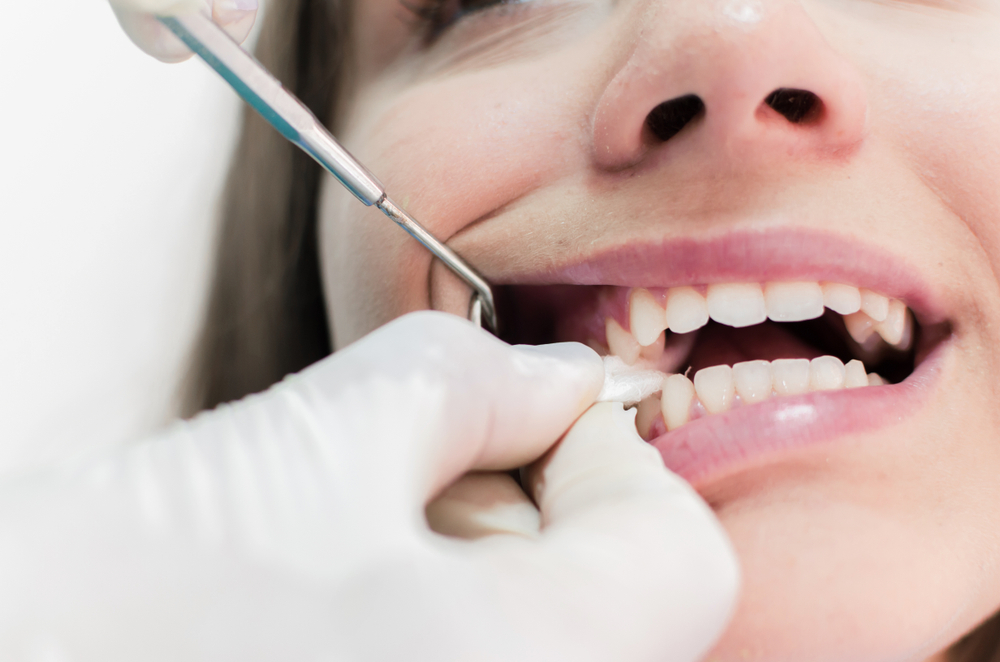
Managing bleeding after a tooth extraction is crucial to promote healing and prevent complications. Initially, some bleeding is normal, as it’s the body’s natural response to a trauma, and it needs to form a blood clot at the extraction site to protect the wound and begin the healing process. Typically, the dentist will place gauze over the site and advise you to bite down gently for 20-30 minutes. This pressure helps slow the bleeding and encourages clot formation.
If the bleeding doesn’t stop on the first go, you needn’t worry. Replace the gauze with a fresh, sterile one and repeat the process. Ensure you bite down firmly, maintaining consistent pressure.
If the wound continues bleeding when you get home, a damp tea bag can be used in place of gauze, as the tannins in tea have natural clotting properties.
To minimise bleeding, avoid rinsing, spitting, smoking, or using straws in the first 24 hours. Elevate your head with a pillow while resting to reduce blood flow to the area.
While slight oozing or blood-tinged saliva is normal for 24-48 hours, heavy bleeding that soaks through gauze repeatedly or doesn’t subside after a few hours is concerning. Excessive blood loss may indicate that the clot isn’t forming properly, which could lead to dry socket or be a sign of a more serious blood-clotting problem.
If bleeding continues unabated after several hours, or if it’s accompanied by dizziness, severe pain, or large clots, contact your dentist or oral surgeon immediately. Prompt action ensures complications are addressed, and the healing process stays on track.

Reducing pain and swelling after a tooth extraction is essential for comfort and promoting healing. Over-the-counter painkillers like ibuprofen or paracetamol are commonly recommended to manage discomfort.
Ibuprofen is particularly effective due to its anti-inflammatory properties, which help reduce swelling as well as pain. However, if you have a sensitive stomach or a history of gastric issues, you may wish to avoid it, as ibuprofen can irritate the stomach lining.
To minimise this risk, always take it with food or as advised by your dentist. If ibuprofen is unsuitable, paracetamol can be a gentler alternative.
Swelling is a normal part of the healing process and often peaks within the first 48 hours as the blood rushes to the extraction area. Applying an ice pack to the affected area for 15-20 minutes at a time during the first 24 hours can help reduce swelling and numb the area. After 24 hours, switching to warm compresses can improve blood flow and aid recovery.
Never keep an ice pack on longer than 20 minutes at a time, as this can cause severe pain in your bones, exacerbating the discomfort around the extraction site. Also, make sure to always wrap the ice pack to avoid burning your skin with the ice.

Here are five important tips for a comfortable first night after a tooth extraction:
Let’s look at each in more detail.
Take the recommended pain medication as directed by your dentist to minimise discomfort. You can take them before the numbness of the anaesthetic wears off to stay ahead of the pain and minimise discomfort, as the first night after your tooth extraction will be the most painful.
Use an ice pack on the outside of your face near the extraction site for 15-20 minutes at a time, with breaks in between. This can help reduce swelling and provide comfort.
Adequate rest allows your body to focus on healing. Avoid strenuous activities on the first day and keep your head elevated with extra pillows to reduce bleeding and swelling.
Try to avoid sleeping on the extraction site for your own comfort. You may wish to put a towel over your pillow in case your saliva is blood-tinged and leaks overnight.
A calm, restful environment supports faster recovery and lessens discomfort during the first night.
Maintaining good oral hygiene prevents infections at the extraction site, so follow your dentist’s aftercare instructions carefully. Avoid rinsing or spitting for the first 24 hours to preserve the blood clot.
Afterwards, use a saltwater rinse as directed, and avoid alcohol-based mouthwashes altogether. Avoid brushing near the site until advised by your dentist, ensuring a clean environment for healing.
Eat Soft Foods: Stick to soft foods like eggs, mashed potatoes, or soup once numbness wears off. Avoid hot, hard, or crunchy foods to prevent disrupting the blood clot and causing you more pain. Drink plenty of water to keep up hydration, but avoid using straws, as they can dislodge the clot.
Alcohol and smoking may be the normal comforts for some, especially after stress or pain, but they should be avoided for at least 5 days after a tooth extraction, as both can delay healing and increase the risk of dry socket. Alcohol irritates the wound, dissolving the blood clot. while smoking affects blood flow and can dislodge the clot, prolonging recovery. Avoid both of these habits for at least 5 days post-extraction.
If you think you’ll struggle, make sure you’re prepared with nicotine patches before your surgery to help you through the recovery process and relieve temptation. You can also find information to help you stop smoking on the NHS website.
If you’re considering a tooth extraction or want to learn more about the procedure, be sure to book an appointment with the Eye and Dental Clinic today! You can also read patient testimonials, check out before-and-after photos, or explore other helpful blogs to guide you through your recovery journey, such as:
Have concerns about your recovery? Contact Eye and Dental Clinic for expert post-extraction care and support to ensure a smooth healing process.
Back to Blog

Discover how our advanced eye and dental treatments have helped patients see clearly, smile confidently, and live better with personalised care, comfort, and lasting results.
View More









Hemlata T
Had a deep clean today with Alla and Rachel, which was great, they were very gentle and even fixed a stubborn stain between my teeth, which they noticed during the...

Abs
Great service all around. Dr Uddin was knowledgeable, kind and put me at ease when having a chalazion removed. He helped me a lot with follow-up care for blepharitis, taking...
Amanda K
If I could give more than 5 stars for Mr J Uddin, I would. The reception staff were really polite and helpful. I had my chalazion removal surgery 2 months...
Nicole
Very satisfying. Dr J. Uddin removed a cyst on my upper lid. He explained everything to me before and during the procedure, and he has a very calming appearance. The...
Hemlata T
Had a deep clean today with Alla and Rachel, which was great, they were very gentle and even fixed a stubborn stain between my teeth, which they noticed during the...
Abs
Great service all around. Dr Uddin was knowledgeable, kind and put me at ease when having a chalazion removed. He helped me a lot with follow-up care for blepharitis, taking...
Amanda K
If I could give more than 5 stars for Mr J Uddin, I would. The reception staff were really polite and helpful. I had my chalazion removal surgery 2 months...
Nicole
Very satisfying. Dr J. Uddin removed a cyst on my upper lid. He explained everything to me before and during the procedure, and he has a very calming appearance. The...