
 23 Feb 2024
If you’re wondering why your eyes are dry, you’re in the right place. Many different environmental, medical and lifestyle factors can cause dry eyes, and they’re not always easy to identify.
Many people experience dry eyes when they wake up in the morning, but is that normal and what can you do about it?

Dry eyes are a common condition, particularly in older age and in women, but there are many possible causes for both short-term experiences of dry eyes and chronic dry eyes.
Pinpointing the precise cause of your dry eyes can be challenging, but you should seek treatment for your dry eyes if they last for more than a few days, as you could be damaging your eyes while you find the cause.
Common environmental causes for dry eyes include:
If an environmental factor triggers your dry eyes, changing your surroundings may bring relief. However, this is more difficult if you work from a computer or on an aeroplane, so you should see an eye specialist about how you can appropriately treat your symptoms.
Some conditions cause dry eyes as a symptom, so if you have a chronic condition and dry eyes, it’s possible that the two are related, and you should speak to your GP about how to relieve your symptoms.
Common conditions that cause dry eyes include:
A chalazion is a small lump that can block your tear duct and prevent the production or removal of tears, causing your eyes to dry. You can have this removed by a specialist, who will cure your dry eyes.
Not everyone with dry eyes will experience the same symptoms.
Common symptoms of dry eyes include:
Some people who have dry eyes also experience headaches, but it’s not a common symptom and more likely that both symptoms are caused by another condition or a hormonal change rather than dry eyes causing the headaches or vice versa.
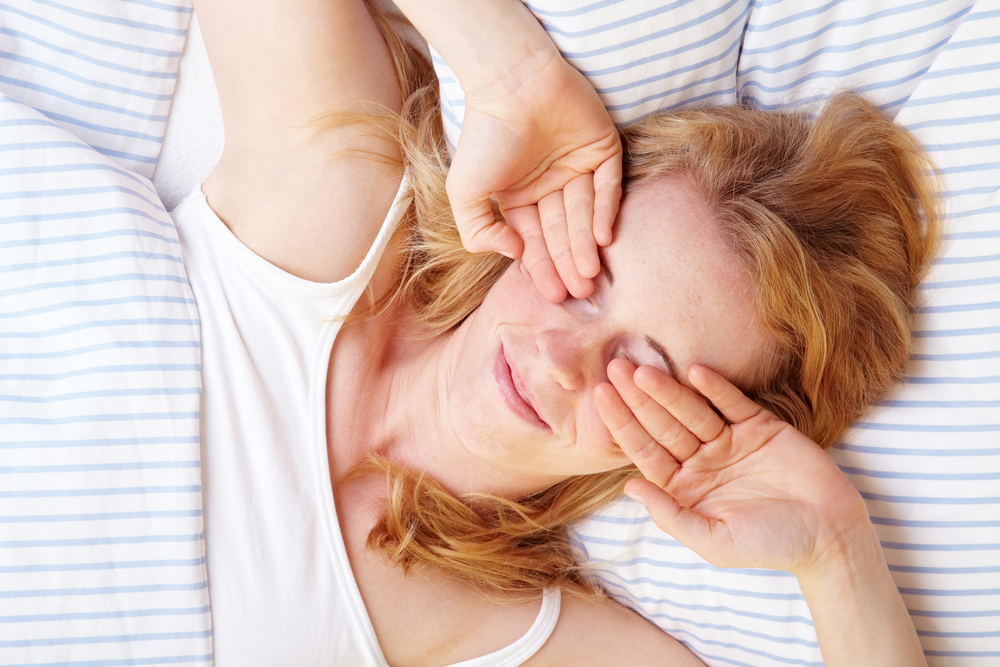
There are several possible reasons that your eyes may feel dry when you wake up, and they don’t necessarily mean you have a chronic condition or dry eye syndrome.
Many people will have dry eyes temporarily when they first wake up, as we don’t blink as often while we sleep as we do when we’re awake, so our eyes are naturally less lubricated. So if your dry eye symptoms dissipate as you wake up, there’s nothing to worry about.
However, if your eyes are painfully dry each morning, there may be another cause that would be important to identify to help treat your dry eyes, such as:
Many people experience dry eye symptoms in winter as they use their heating more frequently, drying the air in the house and making their eyes feel dry and itchy. This can also be common in summer for people who use air-conditioning. If either is the case for you, you can put a humidifier in your room to help prevent your symptoms.
Allergies and anti-allergy medication can both cause dry eyes, so if you’ve got new goose feather pillows, for example, and your eyes feel dry and itchy each morning, you may have an allergy to your bedding and should opt for allergy-free alternatives. Likewise, if you have recently started taking a new medication and have developed dry eyes, you should visit your GP to discuss the options of alternative medicines.
Dry eyes can be caused by:
Women are more likely to experience dry eyes than men, as they have significant hormonal changes throughout their lives. Whether it’s menstruating, taking birth control, being pregnant or going through the menopause, dry eyes are common symptoms, so if you get dry eyes cyclically or have recently become pregnant or reached the menopause, a doctor can help advise you on how to relieve your symptoms.
If you regularly use contact lenses, it’s important to follow eye hygiene best practices to avoid having dry eyes or developing eye infections. Try to wear glasses from time to time and don’t sleep in your contact lenses to relieve symptoms.
Looking after your eyes is crucial to your overall quality of life, as eye infections can be painful and disturbing. Blepharitis and conjunctivitis can cause dry eyes as a result of bacterial growth in your eye, so see your GP for the appropriate eye drops to clear any symptoms of eye infections, as they can be dangerous if left untreated.
Dry eyes alone are highly unlikely to cause any serious eye health problems, such as blindness or vitreous detachment; however likely each becomes greater as we get older. However, having chronic dry eyes will greatly impact your quality of life as reading, watching television and going out become more difficult and less enjoyable.
What’s more, if dry eyes are left untreated, you’re more susceptible to developing eye infections. Eye infections can easily be treated, but if they are not treated, they can cause more serious eye health problems.
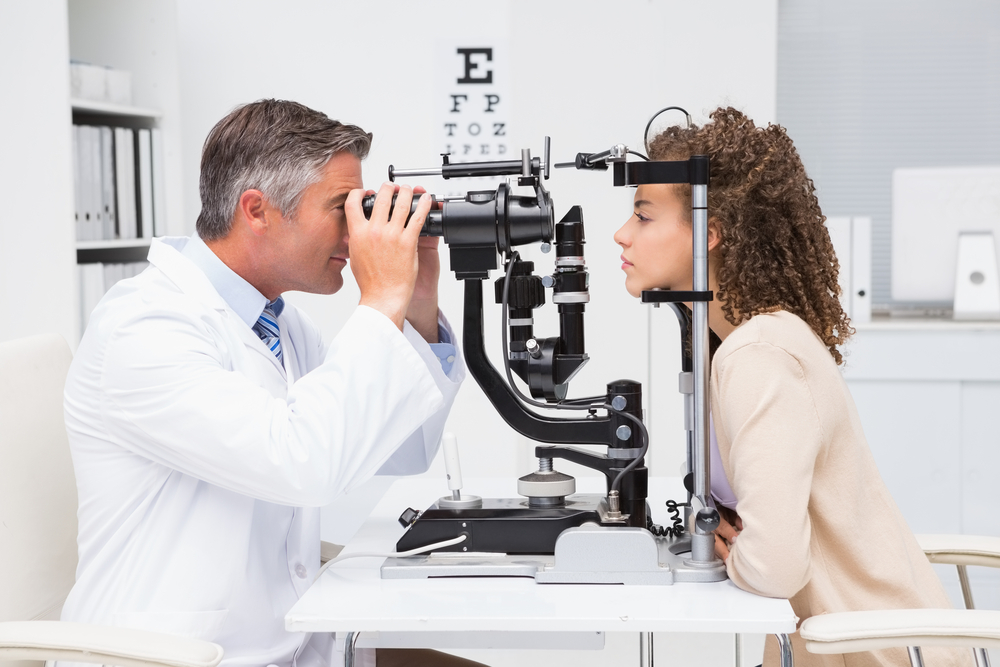
Maintaining good eye health is crucial to maintaining a good quality of life as we get older, but how do you look after your eyes?
Here are some tips to help improve and maintain your eye health:
If you have dry eyes, despite following the necessary care for your eyes to stay healthy, they could be a result of ageing, going through a hormonal change or another underlying condition. You should see an eye specialist or your GP to determine the cause of your dry eyes and seek appropriate treatment.
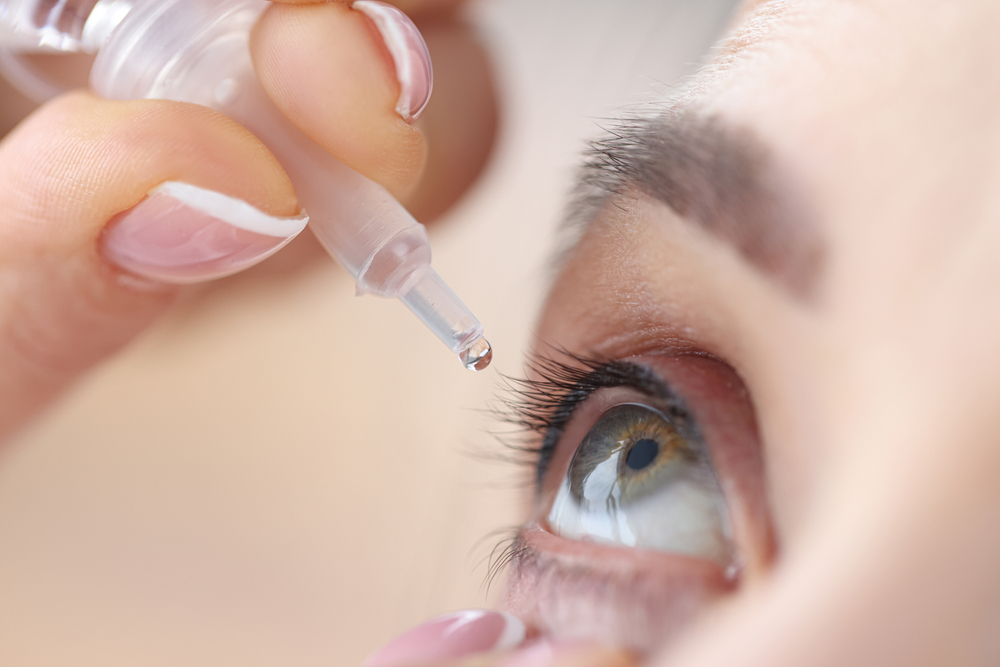
Identifying and addressing the root cause of dry eyes can be a time-consuming process, during which your dry eyes may progressively worsen, making them more prone to infections, so you should seek treatment for dry eyes if symptoms have not improved in a few days.
While you cannot permanently cure dry eyes, you can effectively treat the symptoms with eye drops, known as artificial tears. Artificial tears come in various formats made by lots of different brands and can easily be bought over the counter in most pharmacies. However, different eye drops work in different ways, as dry eyes can be caused by a lack of tear production, a lack of quality tear production and excessive draining or evaporation of tears, so each eye drop will treat dry eyes differently.
To know which is best for you, visit an eye specialist, so the root cause of your dry eyes can be identified, and you can get your quality of life back.
If you have symptoms of dry eyes and want to find the cause or the best treatment, book an appointment at the Eye and Dental Clinic today.
Back to Blog

Discover how our advanced eye and dental treatments have helped patients see clearly, smile confidently, and live better with personalised care, comfort, and lasting results.
View More














Hemlata T
Had a deep clean today with Alla and Rachel, which was great, they were very gentle and even fixed a stubborn stain between my teeth, which they noticed during the...

Abs
Great service all around. Dr Uddin was knowledgeable, kind and put me at ease when having a chalazion removed. He helped me a lot with follow-up care for blepharitis, taking...
Amanda K
If I could give more than 5 stars for Mr J Uddin, I would. The reception staff were really polite and helpful. I had my chalazion removal surgery 2 months...
Nicole
Very satisfying. Dr J. Uddin removed a cyst on my upper lid. He explained everything to me before and during the procedure, and he has a very calming appearance. The...
Hemlata T
Had a deep clean today with Alla and Rachel, which was great, they were very gentle and even fixed a stubborn stain between my teeth, which they noticed during the...
Abs
Great service all around. Dr Uddin was knowledgeable, kind and put me at ease when having a chalazion removed. He helped me a lot with follow-up care for blepharitis, taking...
Amanda K
If I could give more than 5 stars for Mr J Uddin, I would. The reception staff were really polite and helpful. I had my chalazion removal surgery 2 months...
Nicole
Very satisfying. Dr J. Uddin removed a cyst on my upper lid. He explained everything to me before and during the procedure, and he has a very calming appearance. The...