


 03 Nov 2024
Waking up with dry, irritated eyes can be uncomfortable. Discover common causes and solutions to keep your eyes refreshed each morning.
Waking up with dry eyes can be caused by several factors, mainly:
Let’s look at each in more detail.
Nighttime Lagophthalmos is a condition where the eyelids do not fully close during sleep, leading to partial exposure of the eyes. This exposure causes the tears to evaporate more quickly, leaving the eye surface dry and unprotected. Without adequate lubrication throughout the night, the eyes become irritated, resulting in dryness, redness, and a gritty sensation upon waking.
This condition may stem from various causes, including anatomical differences in eyelid structure, facial nerve issues, or even prior eyelid surgery. Those with Nighttime Lagophthalmos often experience chronic morning dryness and discomfort.
Consult an eye specialist for treatment options to alleviate symptoms.
Low humidity in a bedroom can contribute to dry eyes when you wake up, as it causes tear evaporation. When the air lacks sufficient moisture, especially in environments with air conditioning or heating, eyes lose their natural lubrication more quickly. Tears are essential for maintaining eye comfort and protecting the cornea, and when they evaporate overnight, the eyes can become dry, irritated, and even red by the morning.
In low-humidity conditions, the protective tear film on the eye’s surface breaks down faster, especially during sleep when blinking is reduced. This makes the eyes more prone to dryness and discomfort.
Using a humidifier in the bedroom can add moisture to the air, helping to maintain the tear film’s stability and reduce morning dryness. Additionally, drinking water before bed and applying artificial tears or an eye ointment at night can further support eye hydration in dry environments.
Inadequate tear production or poor-quality tears can worsen dry eyes, especially upon waking. Tears are essential for eye lubrication, moisture, and protection. Conditions like Meibomian Gland Dysfunction disrupt the oily layer in tears, causing rapid evaporation and dryness. Reduced tear production or an imbalance in tear composition may lead to discomfort, irritation, and a gritty or burning sensation in the eyes after sleep due to insufficient overnight hydration.
Certain factors can further impact tear production and quality, such as:
To alleviate symptoms, individuals may benefit from using preservative-free artificial tears, warm compresses to stimulate oil gland function, or consulting an eye care professional for personalised treatment options to enhance tear stability and comfort.
An unusual factor, and hopefully not one many experience, but going to sleep after crying can contribute to dry eyes. When you cry, tears help to lubricate your eyes and provide temporary relief from dryness or irritation. However, once the crying stops, the tears can evaporate or be absorbed, especially if you fall asleep without adequately rehydrating your eyes, so you may wake up with dry, red, or gritty sensations.
To mitigate this, you can try applying lubricating eye drops before going to sleep if you have been crying. This can help create a protective layer on the eye’s surface and reduce dryness during the night. Ensuring adequate hydration and using a humidifier in your bedroom can also support eye moisture and comfort. If dry eye symptoms persist, you should see an eye specialist to get to the root of the problem and prevent any further eye health issues.
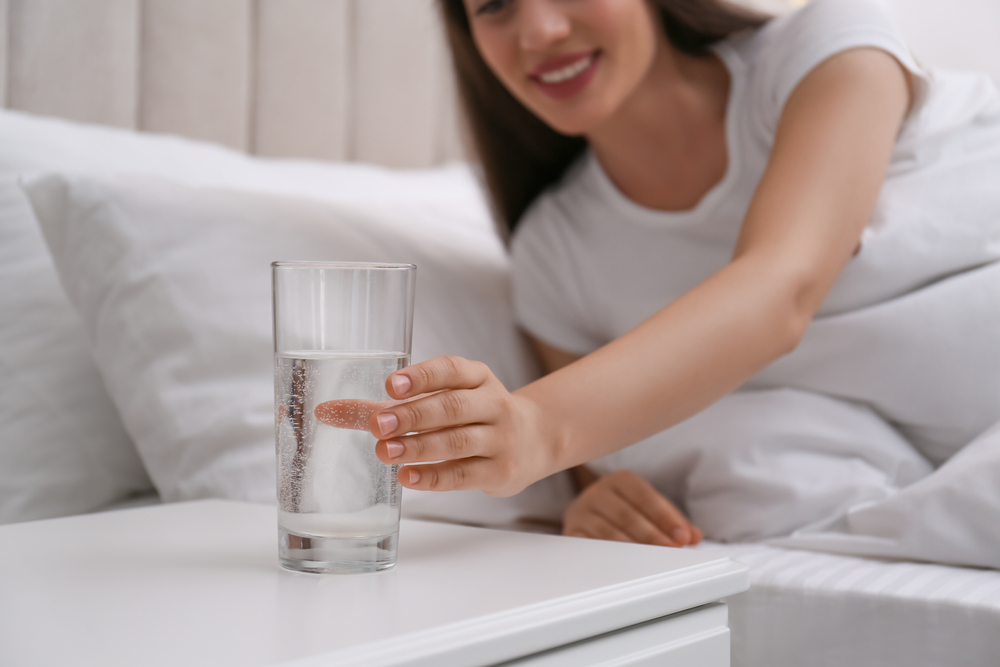
Preventing dry eyes when you wake up involves a combination of lifestyle adjustments and targeted interventions, depending on the cause. Here are some effective strategies.
Using a humidifier in your bedroom can add much-needed moisture to the air, which may help decrease tear evaporation. This can be particularly useful during the winter months or in air-conditioned spaces where humidity tends to drop significantly.
Staying well-hydrated throughout the day is also essential for maintaining moisture in your eyes and overall body health. Drinking plenty of water helps support tear production and keeps your eyes feeling comfortable.
You might consider using preservative-free lubricating eye drops or ointments before heading to bed. These products can help maintain moisture overnight by creating a protective layer on the surface of your eyes, which can be particularly beneficial for reducing dryness in the morning.
Some people find that wearing moisture goggles or using eyelid tape can keep their eyes closed more effectively during the night, reducing the chances of tear evaporation from the eyes overnight.
If your daily routine involves long hours in front of screens, taking regular breaks can be very helpful. A good guideline is to take a moment every 20 minutes to look at something 20 feet away for 20 seconds, which can help reduce eye strain and encourage blinking to keep your eyes moist.
By incorporating these gentle strategies, you may find relief from waking up with dry eyes, leading to greater overall comfort. But for those who consistently experience dry eyes when they wake up, it’s advisable to seek advice from an eye care professional to receive specific treatments to enhance their eye comfort.
Treating dry eyes at home can be easy and effective if the symptoms are caused by a lifestyle factor.
While dry eyes can sometimes signal a deficiency in essential nutrients, particularly omega-3 fatty acids, vitamin A, and certain minerals, it’s important to address these through dietary adjustments. Incorporating foods rich in these nutrients – such as fatty fish, flaxseeds, walnuts, carrots, and leafy greens – can help improve tear production and overall eye health.
Rehydrating is crucial for alleviating dry eye symptoms, too; drinking enough water throughout the day supports overall hydration, which is vital for tear production. It’s recommended to aim for at least 8 glasses of water daily, increasing for more active people and warmer climates.
Over-the-counter eye drops, often referred to as artificial tears, can provide immediate relief by adding moisture to the eyes, but keep in mind that it may take some trial and error to find a product that works best for you.
Some people consider using Vaseline on their eyelids before bed to prevent moisture loss overnight, but this isn’t particularly effective and unnecessarily risks irritation if it were to enter your eyes.
Additionally, using a humidifier in your living space can enhance moisture levels in the air, particularly in dry or air-conditioned environments.
Overall, combining these home treatment strategies can help alleviate dry eye symptoms and promote better eye health without the need for prescription medications. However, if symptoms persist, promptly seeking advice from eye specialists is essential.

If you’re experiencing persistent dry eyes, it’s important to see an eye specialist for several reasons. While dry eyes might seem like a minor inconvenience, they can lead to more serious complications if left untreated. Chronic dryness can increase the risk of eye infections, such as conjunctivitis or blepharitis, due to the lack of adequate moisture that protects against irritants and pathogens.
Moreover, dry eyes can be a symptom of underlying health issues, such as a chalazion, a blocked oil gland that can cause inflammation and discomfort. Identifying and treating the cause of your dry eyes is crucial for treatment.
While it’s important to seek treatment, you don’t need to panic. Dry eyes generally do not lead to blindness or serious conditions like vitreous detachment. However, addressing the issue with a specialist can help prevent potential complications and improve your quality of life.
They can provide a thorough examination, discussing relevant symptoms and finding the cause to recommend appropriate treatments. This might include prescription eye drops or even punctal plugs. With professional advice, you can better manage your symptoms and protect your eye health.
The specialists at the Eye and Dental Clinic can help you relieve your dry eyes. Book an appointment today, or take a look at our emergency treatments if you need urgent help.
Contact us for more information, or read more information about dry eyes on our blog page, including:


Discover how our advanced eye and dental treatments have helped patients see clearly, smile confidently, and live better with personalised care, comfort, and lasting results.
View More















Hemlata T
Had a deep clean today with Alla and Rachel, which was great, they were very gentle and even fixed a stubborn stain between my teeth, which they noticed during the...

Abs
Great service all around. Dr Uddin was knowledgeable, kind and put me at ease when having a chalazion removed. He helped me a lot with follow-up care for blepharitis, taking...
Amanda K
If I could give more than 5 stars for Mr J Uddin, I would. The reception staff were really polite and helpful. I had my chalazion removal surgery 2 months...
Nicole
Very satisfying. Dr J. Uddin removed a cyst on my upper lid. He explained everything to me before and during the procedure, and he has a very calming appearance. The...
Hemlata T
Had a deep clean today with Alla and Rachel, which was great, they were very gentle and even fixed a stubborn stain between my teeth, which they noticed during the...
Abs
Great service all around. Dr Uddin was knowledgeable, kind and put me at ease when having a chalazion removed. He helped me a lot with follow-up care for blepharitis, taking...
Amanda K
If I could give more than 5 stars for Mr J Uddin, I would. The reception staff were really polite and helpful. I had my chalazion removal surgery 2 months...
Nicole
Very satisfying. Dr J. Uddin removed a cyst on my upper lid. He explained everything to me before and during the procedure, and he has a very calming appearance. The...