
 23 Sep 2024
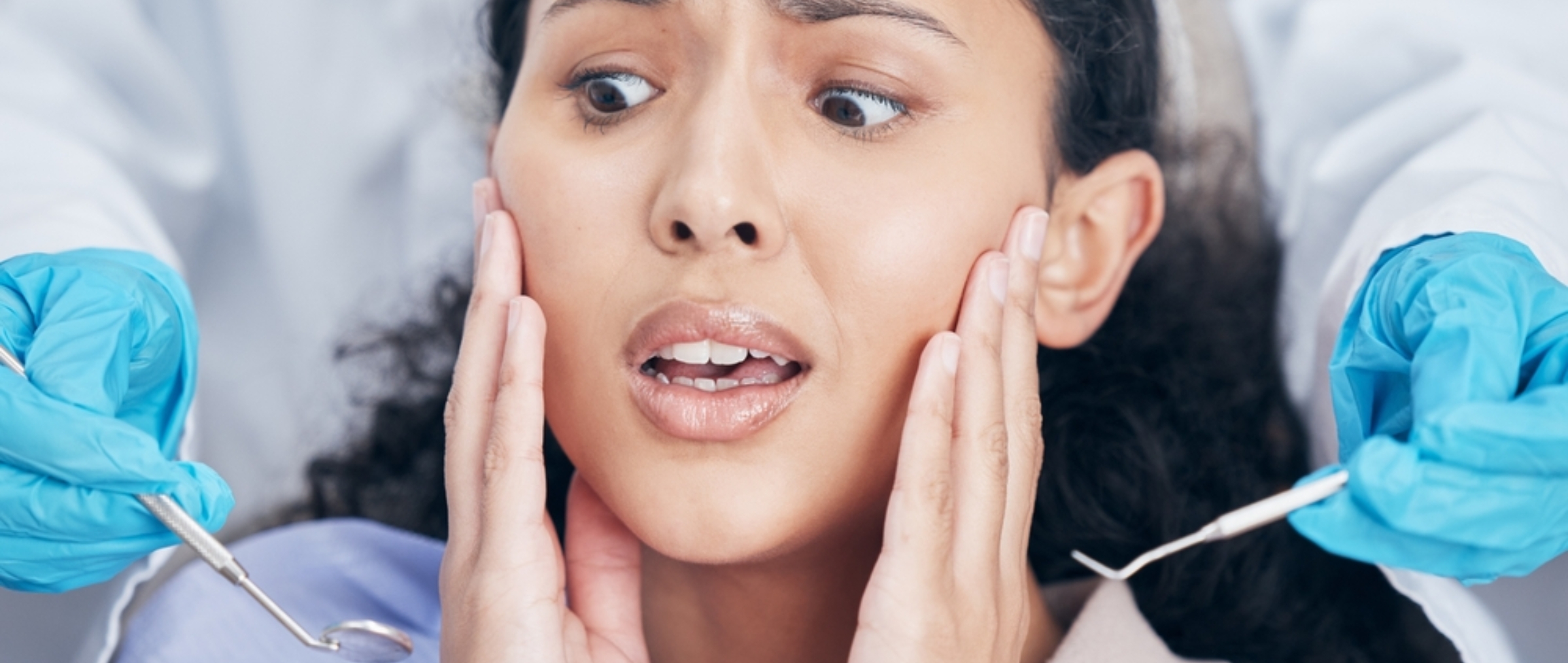
Fearing a dentist is not uncommon, but it can have consequences for your teeth!
Dental anxiety is a prevalent issue where individuals experience significant fear or apprehension about dental visits. It can stem from various factors, including past traumatic experiences, fear of pain, or concerns about the dental environment. Research suggests that dental anxiety affects around 9% to 20% of people in the UK, though the level of severity can vary widely.
To avoid dental visits, some individuals go to great lengths, such as postponing appointments until problems become severe, skipping routine check-ups, or even performing their own dental procedures. Avoidance can lead to serious issues like tooth decay, gum disease, and tooth loss over time, while performing your own dentistry can have huge complications and serious consequences for your health and safety.
Comedian Bob Mortimer’s admission that he has carried out his own dental work due to anxiety underscores a dangerous practice that can result in significant health risks. Self-administered dental procedures lack the necessary professional expertise and sterile conditions, potentially leading to infections, further damage, and long-term oral health problems.
Regular dental care is essential for maintaining oral health and preventing such complications, as it allows dentists to identify and address issues before they become severe. Professional dental care ensures that procedures are performed safely and effectively, using the appropriate tools and techniques, thereby protecting your oral health and reducing the risk of more serious issues. Overcoming dental anxiety is essential not only to prevent these issues but also to ensure overall well-being.
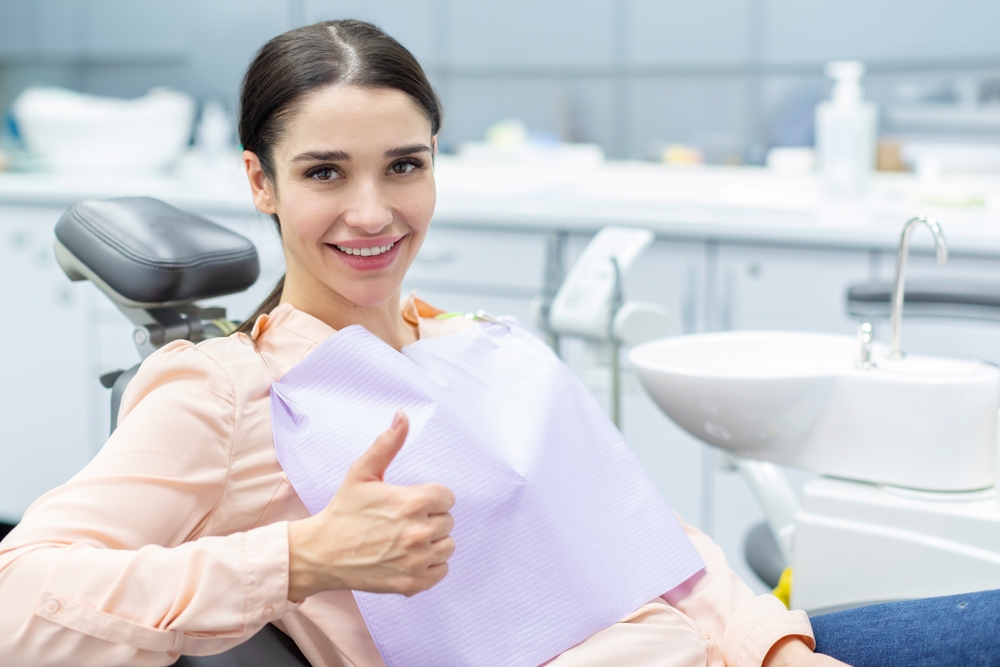
Overcoming a fear of the dentist is crucial for maintaining good oral health, and there are several strategies to manage and alleviate dental anxiety. Understanding that dental procedures are generally safe and performed by highly trained professionals can help reduce worries. Moreover, modern dental practices emphasise patient comfort and use various techniques to minimise pain and discomfort.
Knowing that regular check-ups can prevent serious issues and are essential regardless of your age or dental condition is also reassuring. Even if you have dentures or veneers, professional care is necessary to ensure the health of your gums and the proper maintenance of your dental appliances.
Dentists can check the fit and condition of dentures, identify any potential issues with veneers, and provide guidance on proper care. Regular visits help in maintaining oral health and addressing any problems before they escalate.
To help relieve anxiety before a dental check-up or procedure, consider these tips:
Taking these steps can help make dental visits a more manageable and less stressful experience.
Regular dental visits are essential even if you don’t have any toothache or visible issues. Dental check-ups help identify problems early before they become serious. Issues like cavities, gum disease, and oral cancer often develop without obvious symptoms, and routine examinations allow dentists to detect these conditions early, allowing for more effective treatment.
Additionally, professional cleanings remove plaque and tartar buildup that brushing alone might miss, reducing the risk of decay and gum disease. For those with dentures or veneers, regular visits ensure that these appliances are fitting well and functioning properly. Maintaining consistent dental care is key to preserving long-term oral health and preventing future complications.
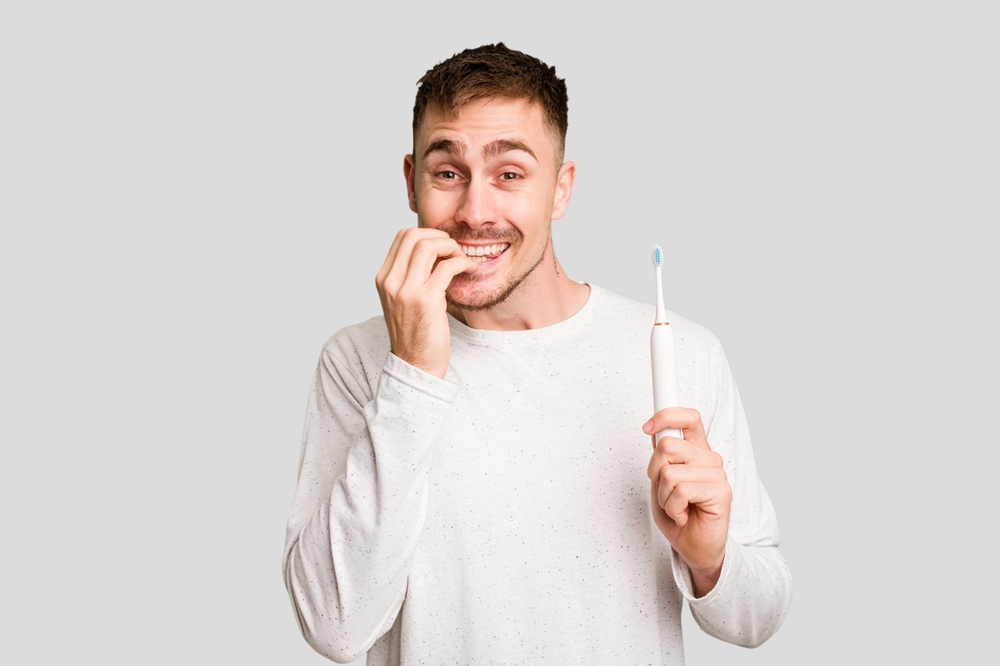
If you’re eager to steer clear of the dentist’s office, the smartest move is to keep your teeth in tip-top shape with excellent oral hygiene and a balanced diet!
To reduce the need for frequent dental check-ups and maintain optimal oral health, following a rigorous oral hygiene routine is crucial. Start by brushing your teeth as soon as you wake up, before consuming any food or drink. This helps remove overnight plaque buildup and ensures your mouth is free of bacteria which want to feed on your breakfast.
Brush twice a day using fluoride toothpaste and a soft-bristle toothbrush, and make sure to spend at least two minutes brushing each time for a thorough clean.
Flossing daily is another key practice, as it removes food particles and plaque from between teeth and under the gumline – areas that a toothbrush can’t reach. Using an antimicrobial mouthwash or rinsing with salt water can help further reduce plaque and bacteria, offering additional protection against gum disease and cavities.
Eating a healthy, balanced diet is essential for maintaining clean and healthy teeth and gums, which can help reduce the need for frequent dental check-ups. Limiting sugar intake is particularly important, as sugary foods and drinks can contribute to tooth decay and cavities. Bacteria in the mouth feed on sugar, producing acids that erode tooth enamel and lead to dental problems.
A diet rich in vitamins and minerals supports overall oral health by boosting your immune system. Vitamins such as Vitamin C help maintain healthy gums and tissues, while Vitamin D and calcium strengthen teeth and bones.
A strong immune system aids in fighting off infections and inflammation in the mouth, further contributing to oral hygiene. By incorporating a balanced diet into your routine, you support your dental health and reduce the frequency of dental check-ups needed.
Additionally, reducing your intake of food and drinks that stain your teeth can help keep your smile brighter and prevent discolouration.
Some foods and drinks that can stain your teeth include:
While these foods can be enjoyed in moderation, it’s wise to practise good oral hygiene and consider rinsing your mouth with water after consumption to minimise staining effects. Similarly, tobacco products and vapes can stain your teeth, both the outside and the inside (extrinsic and intrinsic staining), as well as cause numerous other oral and physical health problems. Stopping smoking will help you avoid the dentist’s chair for as long as possible.

Dental treatments and procedures, while sometimes daunting, are essential for maintaining optimal oral health. Common treatments include:
Understanding each of these procedures can alleviate anxiety, especially if you’ve been told you need to have a certain procedure and are concerned, so it’s important to discuss each treatment thoroughly with your dentist to understand the process and aftercare. Dentists can explain what to expect during and after the procedure, addressing any concerns and providing guidance on post-treatment care. This communication helps manage expectations and reduces anxiety, making the overall experience more comfortable.
For instance, dentists perform routine cleanings to remove plaque and tartar, preventing cavities and gum disease, with simple tools that shouldn’t cause any pain, although you may experience mild discomfort if you have sensitive gums.
Dentists use precision tools, including drills and moulds, to ensure a perfect fit of crowns to the weak tooth underneath. Root canals save infected teeth by removing the pulp using specialised files, preventing further damage, in a painless procedure, thanks to local anaesthetics.
Orthodontics, such as braces or aligners, correct misaligned teeth to improve bite and dental function. Wires, brackets, or trays are used to gently shift teeth over time, and modern techniques ensure minimal discomfort throughout the process.
For your comfort, you may also wish to stay in the UK for your dental treatment. Beyond the language barrier, making people more nervous, dental care in places like Turkey, although usually significantly cheaper than in the UK, can come with risks due to variations in quality and standards.
In the UK, you benefit from stringent regulations and high standards of care, ensuring that treatments are performed safely and effectively.
For more information on the Eye and Dental Clinic, check out:
Or book your appointment!
Back to Blog

Discover how our advanced eye and dental treatments have helped patients see clearly, smile confidently, and live better with personalised care, comfort, and lasting results.
View More


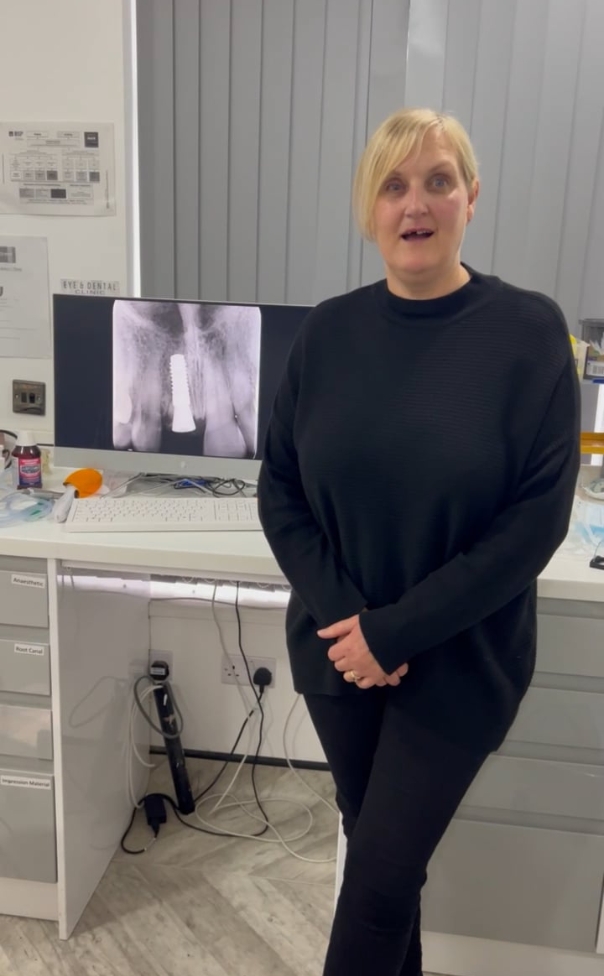





Hemlata T
Had a deep clean today with Alla and Rachel, which was great, they were very gentle and even fixed a stubborn stain between my teeth, which they noticed during the...

Abs
Great service all around. Dr Uddin was knowledgeable, kind and put me at ease when having a chalazion removed. He helped me a lot with follow-up care for blepharitis, taking...
Amanda K
If I could give more than 5 stars for Mr J Uddin, I would. The reception staff were really polite and helpful. I had my chalazion removal surgery 2 months...
Nicole
Very satisfying. Dr J. Uddin removed a cyst on my upper lid. He explained everything to me before and during the procedure, and he has a very calming appearance. The...
Hemlata T
Had a deep clean today with Alla and Rachel, which was great, they were very gentle and even fixed a stubborn stain between my teeth, which they noticed during the...
Abs
Great service all around. Dr Uddin was knowledgeable, kind and put me at ease when having a chalazion removed. He helped me a lot with follow-up care for blepharitis, taking...
Amanda K
If I could give more than 5 stars for Mr J Uddin, I would. The reception staff were really polite and helpful. I had my chalazion removal surgery 2 months...
Nicole
Very satisfying. Dr J. Uddin removed a cyst on my upper lid. He explained everything to me before and during the procedure, and he has a very calming appearance. The...