
 20 Nov 2024
Getting wisdom teeth can be daunting, especially if you don’t know what to expect. Regular dental check-ups help ensure you’re ready for your wisdom teeth, whether they need extracting or not. Let’s look at when you can expect your wisdom teeth to emerge.
Wisdom teeth are the last set of molars to develop in the human mouth, typically emerging between the ages of 17 and 25. Wisdom teeth are so named because they typically emerge during a time traditionally associated with gaining maturity and “wisdom.”
These teeth, also known as third molars, are located at the very back of the upper and lower jaws. They were historically essential for our ancestors, who relied on a diet of coarse, fibrous food that required extra chewing power; however, they’re no longer necessary for modern humans and can cause issues due to evolutionary changes in jaw size.
Many people’s jaws are now too small to accommodate these teeth properly, leading to problems like crowding, misalignment, or impaction, where the tooth becomes stuck beneath the gum or grows at an angle. Impacted wisdom teeth can cause pain, swelling, and infections, sometimes damaging neighbouring teeth or bone, as they grow into the nerve or bone of the neighbouring tooth.
Due to these potential complications, wisdom teeth are often removed, especially if they pose a risk to oral health. However, if they grow properly and don’t cause discomfort, dentists now advise leaving them in place, as unnecessary procedures can increase the risk of complications like infections. Regular dental checkups and X-rays help monitor their development and prevent issues.
Wisdom teeth usually emerge between the ages of 17 and 25; however, if they have not presented during this time, it does not mean they won’t come through at all. Some people are born with fewer than four wisdom teeth, and some have none, resulting from genetic variation and evolutionary changes in human jaw structure. However, for some, wisdom teeth can come through even as late as their 40s and 50s.
While in English we call them wisdom teeth to reflect the growing intelligence and maturity in our late teens and early twenties, they often have different names in other languages to reflect the age of their appearance; for example, “20-year-old teeth” (yirmi yaş dişi) in Turkish, or “love teeth” (사랑니) in Korean due to the belief they appear like a painful first love.
In some cases, wisdom teeth can come through earlier or later than the typical age range, but this does not cause any issues. Early eruptions may occur in the mid-teen years, while delayed eruptions can happen well into the late twenties or beyond. Timing varies significantly between individuals and can be influenced by genetics, jaw size, and dental health.
If wisdom teeth never come through, this is generally not a cause for concern. They may remain embedded in the jawbone or gum tissue, a condition called impaction. Impacted teeth don’t necessarily cause problems, but may require monitoring to ensure they don’t lead to issues like infections or damage to nearby teeth.
In cases where they remain dormant and cause no discomfort or complications, no treatment is needed. Regular dental checkups and X-rays help determine the best course of action for each individual.
The time it takes for wisdom teeth to come through varies, typically ranging from a few weeks to several months. Some wisdom teeth may partially erupt, while others emerge fully over a longer period. The process can be uneven, with one tooth coming through faster than others, mostly depending on the angle of the tooth and the space it has to move into.
If wisdom teeth are impacted (stuck under the gum or against other teeth), they may never fully come through, and unless they are causing pain or increasing the risk of teeth movement or infections, they do not require treatment. Regular dental checkups are essential to monitor their development and determine whether the wisdom teeth require extraction.

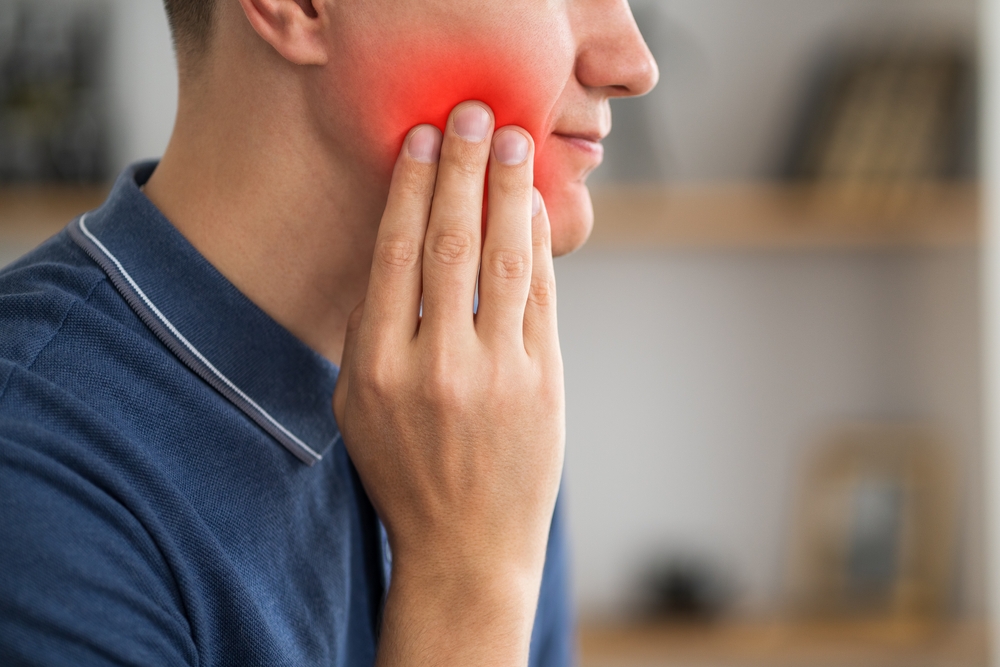
The pain associated with wisdom teeth coming through can range from mild discomfort to severe pain, depending on various factors. As these teeth push through the gums, they may cause:
Pain often intensifies if there isn’t enough space for the teeth to emerge properly, leading to crowding or misalignment. Impacted wisdom teeth, which remain trapped under the gum or grow at an angle, are particularly likely to cause significant pain, as they can irritate surrounding tissues, cause infections, or exert pressure on neighbouring teeth. Additionally, pain can increase if the gums become swollen or if food particles get trapped around the emerging tooth, creating a breeding ground for bacteria.
The amount of pain also varies by the available space, as people with properly aligned teeth with more space may experience less discomfort, while those with already crowded teeth are more likely to feel intense pain due to a lack of space. Factors such as inflammation, infection, and the speed of eruption also influence the severity of pain.
To help reduce the pain, you can use:
Maintaining good oral hygiene is the most useful way to manage discomfort; however, persistent or severe pain may require wisdom tooth extraction.
Wisdom teeth do not always need to be extracted. If they grow properly, are healthy, fully erupted, and cause no discomfort or crowding, they can stay in place without any issues. However, extraction is often necessary when they cause problems, such as being impacted (stuck under the gum), growing at an angle, or when there is pain, swelling, or infection.
Wisdom teeth may also require removal if they damage nearby teeth, contribute to crowding, or create a risk of cysts or decay due to difficulty cleaning them. Regular dental checkups help assess whether extraction is needed or if the teeth can remain without causing harm.
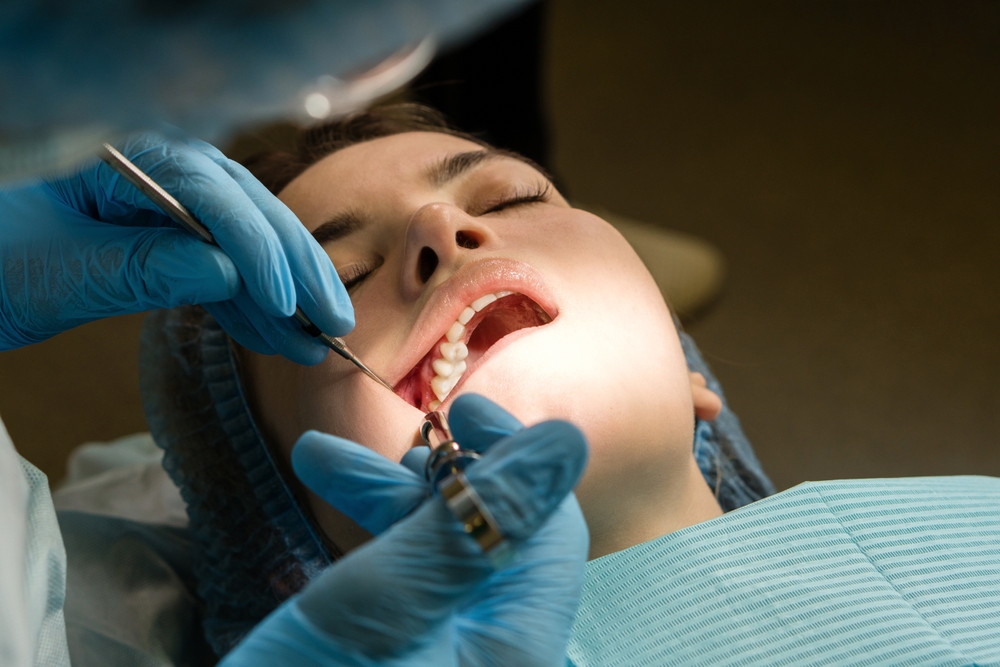
After a wisdom tooth extraction, proper aftercare is essential to ensure proper healing and to prevent complications like infection or dry socket. The initial healing period for the gum tissue typically takes one to two weeks, though the underlying bone and tissue may take several months to fully recover. The first two weeks are the most crucial for healing, so careful attention to the extraction site is necessary to avoid disturbing the wound.
To control bleeding immediately after the procedure, bite down gently on a gauze pad for 30-45 minutes to help form a blood clot. This clot is vital as it protects the wound and promotes healing. Avoid touching the area with your fingers or tongue, as this can disrupt the clot, and don’t drink for at least one hour or eat for at least three hours post-procedure, unless directed otherwise by your dentist.
When you can eat, soft foods help minimise strain on the healing site, so stick to things like:
Steer clear of hard, crunchy, spicy or hot foods as they will irritate the wound.
It’s also important to avoid strenuous exercise for the first 24-48 hours, as increased physical activity can lead to bleeding or dislodging of the blood clot. Smoking should also be avoided for at least 72 hours, as it significantly delays healing and increases the risk of dry socket. Alcohol (including mouthwash) should be avoided for at least 5 days, as it can dissolve the blood clot. Instead, stick to water or non-carbonated drinks, making sure not to use a straw. Following these guidelines will aid recovery and reduce the likelihood of complications.
The specialists at the Eye and Dental Clinic can help with any of your dental woes, from cosmetic dentistry like veneers and teeth whitening to dentures and fillings. Book an appointment today, or take a look at our emergency treatments if you need urgent help.
Contact us for more information, or read more information about our dental services, including:
You can also find out more about our clinic by reading our:


Discover how our advanced eye and dental treatments have helped patients see clearly, smile confidently, and live better with personalised care, comfort, and lasting results.
View More













Hemlata T
Had a deep clean today with Alla and Rachel, which was great, they were very gentle and even fixed a stubborn stain between my teeth, which they noticed during the...

Abs
Great service all around. Dr Uddin was knowledgeable, kind and put me at ease when having a chalazion removed. He helped me a lot with follow-up care for blepharitis, taking...
Amanda K
If I could give more than 5 stars for Mr J Uddin, I would. The reception staff were really polite and helpful. I had my chalazion removal surgery 2 months...
Nicole
Very satisfying. Dr J. Uddin removed a cyst on my upper lid. He explained everything to me before and during the procedure, and he has a very calming appearance. The...
Hemlata T
Had a deep clean today with Alla and Rachel, which was great, they were very gentle and even fixed a stubborn stain between my teeth, which they noticed during the...
Abs
Great service all around. Dr Uddin was knowledgeable, kind and put me at ease when having a chalazion removed. He helped me a lot with follow-up care for blepharitis, taking...
Amanda K
If I could give more than 5 stars for Mr J Uddin, I would. The reception staff were really polite and helpful. I had my chalazion removal surgery 2 months...
Nicole
Very satisfying. Dr J. Uddin removed a cyst on my upper lid. He explained everything to me before and during the procedure, and he has a very calming appearance. The...