
Discover the best foods to eat (and what to avoid) after a tooth extraction to support healing, reduce discomfort, and avoid complications.
After a tooth extraction, being mindful of what you eat and drink is crucial for a smooth recovery. Immediately following the procedure, the site where the tooth was removed begins forming a blood clot, a vital first step in healing. Eating or drinking too soon or consuming certain foods can dislodge this clot, leading to complications such as dry socket, which is both painful and prolongs healing.
For the first few hours post-extraction, it’s typically advised not to eat and to refrain from drinking for at least an hour to allow the clot to stabilise. This helps avoid disrupting the clot or causing bleeding, which could increase the risk of infection. Additionally, it’s essential to avoid activities that involve sucking or pressure, such as using a straw, as these can also dislodge the clot.
In the days following the procedure, you should choose foods that are gentle on the surgical site and avoid anything that might irritate or traumatise it to support quicker recovery. It’s also helpful to avoid hot foods and beverages initially, as these can dissolve the clot prematurely.
By adhering to dietary restrictions for the first few days and gradually reintroducing normal foods, you can support your body’s healing efforts effectively. However, if you experience increased pain, swelling, or any signs of infection, such as fever or pus discharge, contact your dentist immediately.
After a tooth extraction, seeking emergency treatment may be necessary if you experience symptoms suggesting a complication.
Severe, persistent pain unrelieved by medication could indicate a dry socket or infection, both of which require prompt attention. Excessive bleeding that continues beyond the initial hours post-extraction may suggest that the blood clot has dislodged or that an underlying issue is present. Additionally, signs of infection warrant immediate dental care, including:
If you notice these symptoms, contact your dentist right away. Many dental practices reserve time for urgent cases and may be able to see you the same day. If your dentist is unavailable, call 111 to find the nearest place to get help.
When seeking treatment, provide clear details about your recent extraction and current symptoms, which will allow the dental team to assess and address the situation effectively. Prompt intervention is essential for preventing further complications.
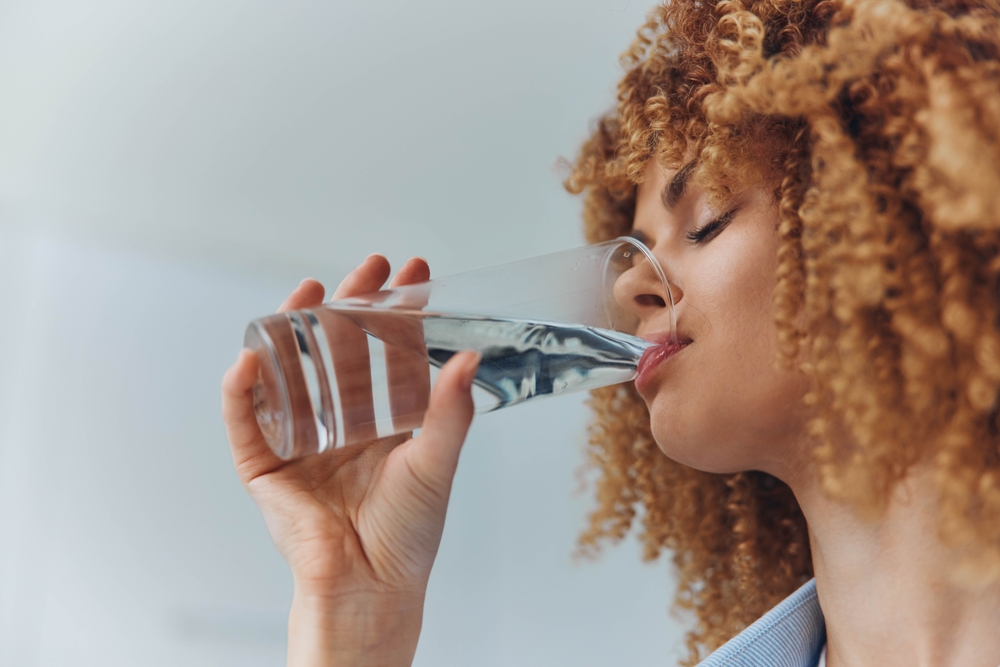
Being careful with what you eat may be more obvious due to the small pieces that can get stuck in the open wound in your gum and cause irritation, but you also need to be mindful of what you drink.
At least one hour after the procedure, water is the best choice as it hydrates without irritating the extraction site. Avoid hot beverages like tea and coffee for at least 24 hours, as the heat can dissolve the blood clot that forms in the socket, increasing the risk of dry socket, a painful condition that can prolong healing. When starting to drink hot drinks, let them cool to room temperature before consuming to prevent disturbing the blood clot.
Fizzy drinks should also be avoided in the first few days post-extraction, as the carbonation can cause discomfort and may increase the likelihood of dislodging the clot. If you crave something sweet, milkshakes and smoothies are a good choice, but be wary: you should not use a straw for the first week following a tooth extraction as sucking can create suction and potentially dislodge the clot.
You should also avoid alcohol for at least 5 days following your tooth extraction, as the alcohol can dissolve the blood clot, leaving the socket open.
While you can usually return to drinking as normal after one week, always listen to your body; if a beverage causes pain or discomfort, it’s best to avoid it for longer. Ultimately, staying hydrated and choosing gentle, nourishing options will help support your recovery after a tooth extraction.
After a tooth extraction, it’s essential to consume soft, nutritious foods that promote healing and are easy to chew. The first 24 to 48 hours are critical, as your mouth will be sensitive and possibly swollen, making chewing more difficult. Here are some safe options to consider:
Fruits like bananas, applesauce, and ripe avocados are excellent choices. They are easy to eat, nutritious, and provide essential vitamins that aid in healing. Smoothies made with soft fruits can also be a delicious way to boost your nutrient intake without putting stress on your extraction site, but be careful to avoid fruits with seeds, as these can get stuck in the socket.
Mashed potatoes are also soft and easy to swallow, making them a comforting option after dental surgery. They can be flavoured with butter or gravy for added flavour, providing you with the energy you need during recovery.
Broths and pureed soups are perfect for post-extraction meals. They provide hydration and nutrition without requiring much chewing. Just allow the soup to cool before consumption to avoid irritating the extraction site.
Soft, fluffy scrambled eggs are easy to prepare and can be a protein-rich meal option. They are gentle on the mouth and can help provide essential nutrients that promote healing.
In the days following your extraction, you can gradually incorporate other soft foods, such as cooked pasta and soft cheeses. As you feel more comfortable, you may also introduce more flavours and textures.
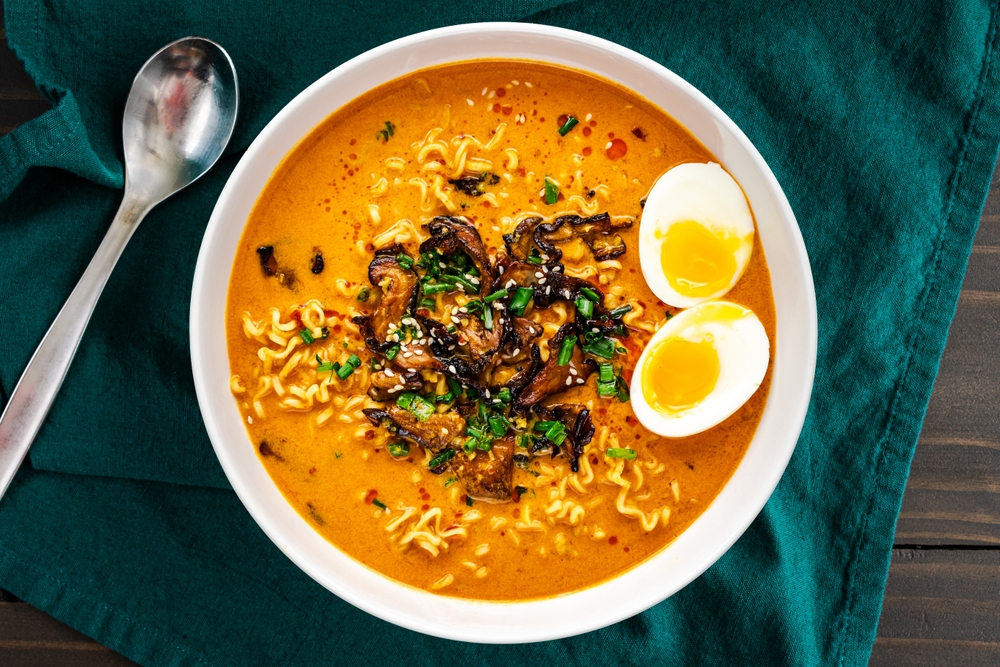
While there are many foods that are safe to eat after a tooth extraction, there are also several that should be avoided to prevent complications and ensure proper healing, including:
Foods like crisps, nuts, and raw vegetables can be problematic. These items require significant chewing and can irritate the extraction site, potentially dislodging the blood clot that forms in the socket and causing you pain.
Spicy foods can also cause discomfort and irritation in the mouth, especially around the socket. Avoiding spicy dishes, including those with chilli peppers or hot sauces, is advisable in the initial days after your procedure.
Foods such as citrus fruits (oranges, lemons) and tomato-based products can irritate the extraction site due to the high acid content, so it’s best to wait until you’re fully healed before reintroducing these foods.
It’s also not ideal to eat pizza in the few days after your tooth extraction due to its chewy crust, which may be difficult to manage. Opt for softer bread options if you want sandwiches later on.
While some dairy products may seem like a good idea, as yoghurt and milk can be soft and soothing, they shouldn’t be eaten during the first 48 hours after tooth extraction due to the bacteria having the potential to cause infections.
Crumbly foods like biscuits and even things like rice should also be avoided in the first few days after a tooth extraction, as the pieces can get stuck in the socket, becoming painful and causing complications.
Listen to your body and give yourself time to heal before gradually reintroducing more diverse foods into your diet. Always consult with your dentist for personalised advice regarding your recovery process.
After a tooth extraction, it’s also important to avoid smoking, intense exercise, and mouthwash to aid healing. Smoking can disrupt blood clotting, while vigorous activity increases bleeding risk. Mouthwash, especially alcohol-based, can also irritate the extraction site. These activities may dislodge the blood clot or slow healing, leading to dry socket and prolonged recovery.
The specialists at the Eye and Dental Clinic can help with any of your dental woes, from cosmetic dentistry like veneers and teeth whitening to routine check-ups. Book an appointment today, or take a look at our emergency treatments if you need urgent help.
Contact us for more information, or read more information about our dental services, including:
You can also find out more about our clinic by reading our:


Discover how our advanced eye and dental treatments have helped patients see clearly, smile confidently, and live better with personalised care, comfort, and lasting results.
View More









Hemlata T
Had a deep clean today with Alla and Rachel, which was great, they were very gentle and even fixed a stubborn stain between my teeth, which they noticed during the...

Abs
Great service all around. Dr Uddin was knowledgeable, kind and put me at ease when having a chalazion removed. He helped me a lot with follow-up care for blepharitis, taking...
Amanda K
If I could give more than 5 stars for Mr J Uddin, I would. The reception staff were really polite and helpful. I had my chalazion removal surgery 2 months...
Nicole
Very satisfying. Dr J. Uddin removed a cyst on my upper lid. He explained everything to me before and during the procedure, and he has a very calming appearance. The...
Hemlata T
Had a deep clean today with Alla and Rachel, which was great, they were very gentle and even fixed a stubborn stain between my teeth, which they noticed during the...
Abs
Great service all around. Dr Uddin was knowledgeable, kind and put me at ease when having a chalazion removed. He helped me a lot with follow-up care for blepharitis, taking...
Amanda K
If I could give more than 5 stars for Mr J Uddin, I would. The reception staff were really polite and helpful. I had my chalazion removal surgery 2 months...
Nicole
Very satisfying. Dr J. Uddin removed a cyst on my upper lid. He explained everything to me before and during the procedure, and he has a very calming appearance. The...