
 27 Nov 2024
Learn why experts now advise against removing wisdom teeth and the potential risks involved with the procedure.
Wisdom teeth, or third molars, typically emerge in late adolescence or early adulthood, between the ages of 17 and 25. However, they can come through at any point in life or remain impacted (stuck below the gum line). For some, wisdom teeth grow without issue, while others may experience discomfort or complications.
The level of pain varies depending on the individual and circumstances. Pain often arises when the teeth push through the gums or if there isn’t enough space in the jaw. Mild discomfort may feel like pressure at the back of the mouth, while severe cases can involve throbbing pain, swelling, and difficulty opening the mouth.
Wisdom teeth tend to be more painful during their eruption phase or when they grow at an angle, impacting adjacent teeth or the jawbone. The pain can intensify if the teeth become partially erupted, creating pockets where bacteria accumulate, leading to infection (pericoronitis), or if the tooth is growing into the neighbouring tooth’s root. Conversely, fully erupted and aligned wisdom teeth are less likely to cause discomfort.
You should visit your dentist if you experience persistent or painful symptoms, including:
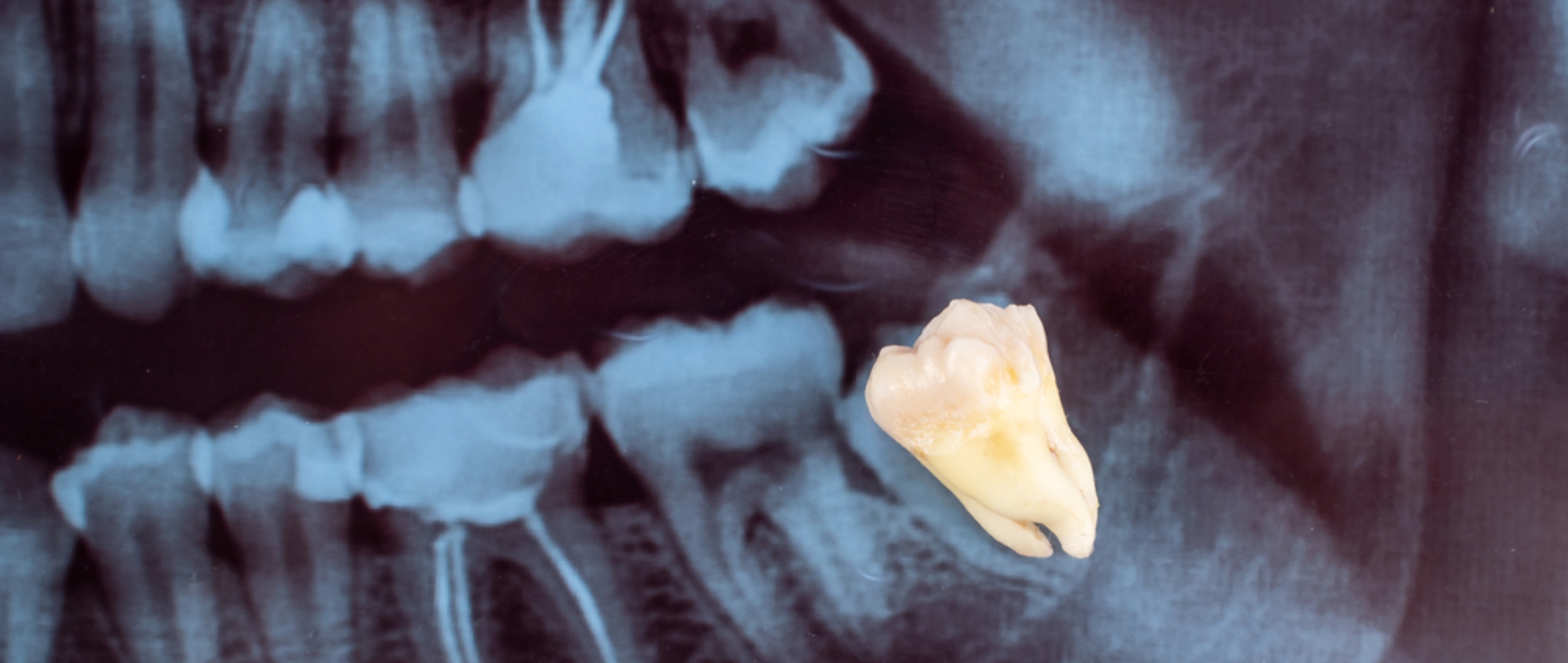
These signs may indicate impaction, infection, or damage to neighbouring teeth. Regular dental checkups help monitor wisdom teeth development, and X-rays can reveal potential issues before they cause discomfort. In severe cases, extraction might be recommended to prevent complications, ensuring long-term oral health.
Not everyone has wisdom teeth; in fact, around 35% of people in the UK never develop them at all. This variation is thought to be influenced by genetics. However, the absence of visible wisdom teeth doesn’t necessarily mean they won’t emerge later in life, as sometimes wisdom teeth stay stuck below the gum line and never fully erupt.
For our ancestors, wisdom teeth were essential for chewing coarse, fibrous diets of roots, nuts, and raw meat. Over time, human diets have softened, and advancements in cooking and dental tools have rendered these teeth unnecessary. Evolutionary changes have also reduced jaw size, leaving insufficient space for wisdom teeth to develop properly in many cases.
While they no longer serve a functional purpose, wisdom teeth can still cause discomfort or complications, so regular dental checkups are key to monitoring their potential emergence and addressing any associated issues.
Experts increasingly advise against removing wisdom teeth unless necessary, as the procedure carries unnecessary risks if the teeth are not causing problems. Historically, many dentists recommended preemptive extraction to prevent potential future complications. However, modern research suggests that leaving healthy, asymptomatic wisdom teeth in place is often the better choice.
If wisdom teeth have room to grow and do not interfere with adjacent teeth or cause symptoms like pain or infection, surgical removal may not be justified.
Risks associated with extraction include:
These risks, combined with a potentially long recovery period, may outweigh the benefits of removing teeth that are not causing harm.
Even wisdom teeth that fail to erupt fully may not require removal if they are not causing discomfort or damage. Monitoring such teeth through regular dental checkups is often sufficient, as not all impacted wisdom teeth lead to problems. Dentists may use X-rays to assess their position and the likelihood of future complications.
The shift away from routine wisdom tooth extraction reflects a broader trend toward minimally invasive dentistry. Preserving healthy teeth, even if they seem unnecessary, aligns with this philosophy. However, removal is still warranted in certain cases.
Patients should make decisions about wisdom tooth removal based on individual circumstances, with guidance from a trusted dental professional. If the teeth are pain-free and not interfering with oral health, retaining them may avoid unnecessary surgical risks and contribute to overall well-being.
Wisdom tooth extraction is essential when these teeth cause or are likely to cause significant oral health issues. One common reason for removal is impaction, where the teeth fail to fully emerge due to insufficient space or grow at an angle, pressing against adjacent teeth. This can lead to pain, damage, and misalignment of other teeth, which can only be resolved through extraction.
Infections such as pericoronitis, where partially erupted teeth trap food and bacteria, may also require extraction. Similarly, wisdom teeth that cause swelling, persistent bad breath, or difficulty chewing often necessitate removal. Cysts or tumours forming around impacted wisdom teeth are another serious indication for extraction, as they can damage the jawbone and neighbouring teeth.
Additionally, removal may be advised if wisdom teeth contribute to overcrowding or compromise orthodontic treatments. Ultimately, a dentist or oral surgeon will recommend extraction when the risks of keeping the teeth outweigh the benefits.
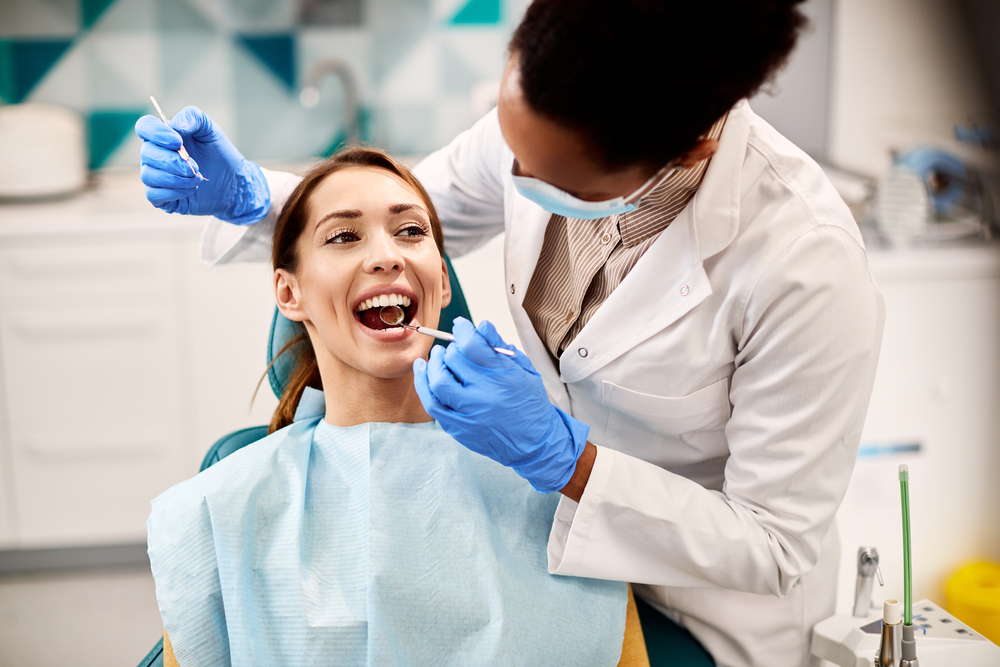
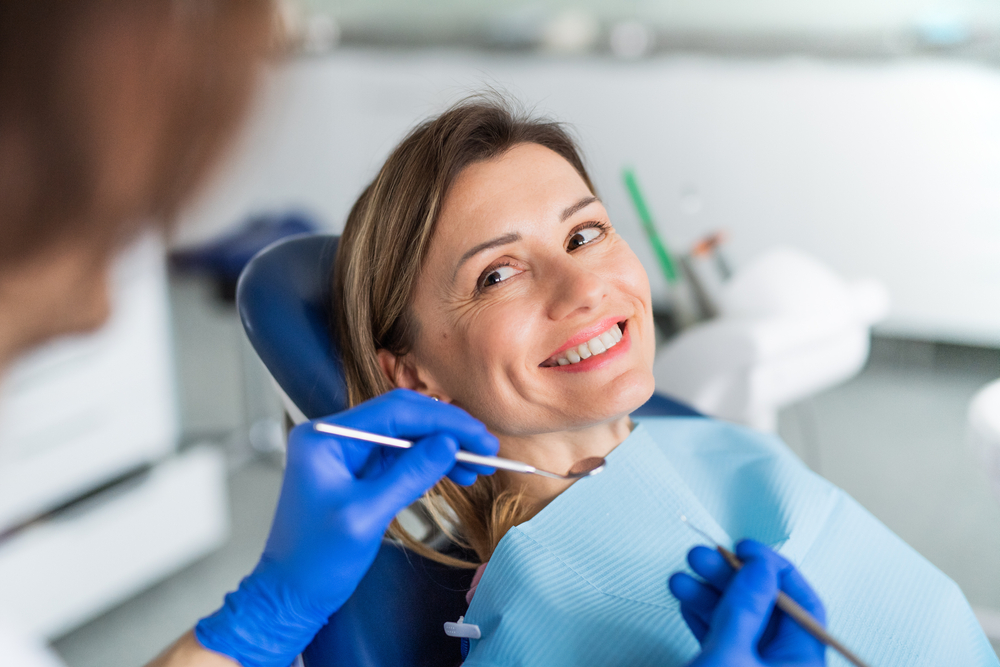
Wisdom tooth extraction is a common surgical procedure performed to remove one or more wisdom teeth. It is typically done by a dentist or oral surgeon in an outpatient setting under local anaesthetic, although sedation or general anaesthetic is possible depending on the complexity and patient preference.
The procedure begins with the dentist numbing the area to ensure comfort. For impacted teeth, a small incision is made in the gum to access the tooth. Sometimes, a portion of the bone covering the tooth may be removed. The tooth is then extracted in one piece or sectioned into smaller parts for easier removal.
Once the tooth is removed, the site is cleaned to eliminate debris. If an incision is made, it is often closed with dissolvable stitches, although it can be done with stitches that will need removing in 1-2 weeks post-op. Gauze is placed over the site to control bleeding and promote clot formation.
The entire process usually takes 30 to 60 minutes, though complex cases may take longer, and simple extractions can be quick once the anaesthetic has begun working.
Most patients heal within a week or two, but complete recovery may take longer if the extraction was complex. A follow-up ensures proper healing and addresses any complications, like dry socket or infection.
Proper aftercare is crucial for a smooth recovery after tooth extraction to minimise complications. Following your dentist’s instructions ensures optimal healing and reduces the risk of issues.
After the procedure, a gauze pad will be placed over the extraction site to help stop bleeding. Bite down gently on the gauze and replace it as needed, usually only necessary once, but can be repeated. Avoid rinsing, spitting, or drinking through a straw for the first 24 hours, as these actions can dislodge the blood clot, leading to dry socket.
To manage the pain and swelling, take prescribed or over-the-counter painkillers like ibuprofen as directed. Applying a wrapped ice pack to the outside of your cheek in 15-minute intervals during the first 24 hours can also help reduce swelling.
Stick to eating soft foods such as scrambled eggs, mashed potatoes, and soups for the first few days. Avoid hard, crunchy, or hot foods that can irritate the site. Gradually reintroduce solid foods as healing progresses.
It’s crucial to maintain good oral hygiene; avoid brushing near the extraction site on the first day, and resume gentle brushing and rinsing after 24 hours, using salt water, not an alcohol-based mouthwash, to avoid dislodging the clot.
You also need to avoid smoking for at least one week, as it can delay healing and increase infection risk, and limit physical activity for at least 24-48 hours.
Monitor for signs of complications, such as excessive bleeding, severe pain, swelling, or fever. If these occur, contact your dentist promptly for an emergency appointment.
The specialists at the Eye and Dental Clinic can help with any of your dental woes, from cosmetic dentistry like veneers and teeth whitening to inserting dental implants. Book an appointment today, contact us for more information, or read more information about our dental services, including:
You can also find out more about our clinic by reading our:


Discover how our advanced eye and dental treatments have helped patients see clearly, smile confidently, and live better with personalised care, comfort, and lasting results.
View More













Hemlata T
Had a deep clean today with Alla and Rachel, which was great, they were very gentle and even fixed a stubborn stain between my teeth, which they noticed during the...

Abs
Great service all around. Dr Uddin was knowledgeable, kind and put me at ease when having a chalazion removed. He helped me a lot with follow-up care for blepharitis, taking...
Amanda K
If I could give more than 5 stars for Mr J Uddin, I would. The reception staff were really polite and helpful. I had my chalazion removal surgery 2 months...
Nicole
Very satisfying. Dr J. Uddin removed a cyst on my upper lid. He explained everything to me before and during the procedure, and he has a very calming appearance. The...
Hemlata T
Had a deep clean today with Alla and Rachel, which was great, they were very gentle and even fixed a stubborn stain between my teeth, which they noticed during the...
Abs
Great service all around. Dr Uddin was knowledgeable, kind and put me at ease when having a chalazion removed. He helped me a lot with follow-up care for blepharitis, taking...
Amanda K
If I could give more than 5 stars for Mr J Uddin, I would. The reception staff were really polite and helpful. I had my chalazion removal surgery 2 months...
Nicole
Very satisfying. Dr J. Uddin removed a cyst on my upper lid. He explained everything to me before and during the procedure, and he has a very calming appearance. The...