
 08 Nov 2024
We’ll uncover the stages of tooth extraction healing, factors that affect recovery time, and helpful tips for a smooth, speedy healing process.
Preparing for a tooth extraction involves several important steps to ensure a smooth experience and recovery.
Firstly, it’s advisable to brush your teeth before the appointment. This helps maintain oral hygiene and reduces the risk of infection during the procedure. However, avoid using mouthwash, as it might introduce unnecessary substances into the mouth.
Eating a light meal beforehand is also crucial. Since you won’t be able to eat right away after the extraction due to the risk of infection, by preventing the blood clot from forming and introducing bacteria and sugars into the mouth, it’s best to have some filling and nutritious food to keep your energy levels up. You may also experience some swelling and discomfort after the procedure, and may not have much of an appetite, so it’s good to have a balanced meal before the procedure instead.
Additionally, consider booking the day off work. Tooth extractions can lead to swelling and pain once the anaesthetic wears off, making it challenging to concentrate or perform your job effectively. Taking a day to rest allows you to manage discomfort and follow post-operative care instructions without the added stress of work obligations.
Lastly, prepare for the few days following the procedure by ensuring you have soft and healthy food in the house to eat and some painkillers just in case to ensure a smooth recovery. Often, the pain and swelling after a tooth extraction depend on the angle and location of the tooth as well as the reasons for extraction, so it’s best to prepare carefully.
By taking these steps, you can make the extraction process as comfortable and manageable as possible.

After a tooth extraction, it’s important to follow specific guidelines to ensure proper healing and avoid complications. Understanding what you can and cannot do during the recovery period helps facilitate a smoother healing process and minimises the risk of issues such as infection or increased pain.
After a tooth extraction, it’s generally recommended to avoid intense exercise for at least 48 to 72 hours. Engaging in strenuous activities during this initial healing period can increase blood flow and elevate your heart rate, potentially leading to increased swelling, bleeding, and discomfort at the extraction site.
High-impact exercises, like running or heavy lifting, may dislodge the blood clot that forms in the socket, which is crucial for proper healing and prevents complications such as a dry socket – where the gum does not heal properly due to the lack of a blood clot aiding in tissue growth. Instead, focus on light activities such as walking, which promotes circulation without putting undue stress on your body.
Listening to your body is essential; if you experience any discomfort or unusual symptoms, it’s best to pause any physical activity. Once you feel more comfortable and your dentist gives the green light, you can gradually resume your regular exercise routine to support overall health and recovery.
After a tooth extraction, it’s important to avoid rinsing with mouthwash for at least 24 hours. This is crucial because mouthwash often contains alcohol or other harsh ingredients that can irritate the extraction site and potentially dislodge the blood clot necessary for healing. Dislodging this clot can lead to a dry socket, which causes significant pain, delaying recovery and possibly leading to infections.
You can resume brushing your teeth the day after the extraction, but be cautious around the extraction site. Use a soft-bristled toothbrush and avoid vigorous brushing near the socket to protect the blood clot. Gently clean the rest of your mouth as normal, but refrain from using the mouthwash until your dentist advises it’s safe, usually after a few days.
Following these guidelines will help ensure proper healing and a better recovery process.
After a tooth extraction, you should avoid eating and drinking for at least the first hour, although ideally three hours. This waiting period allows the blood clot to form securely in the socket, minimising the risk of dislodging it and preventing a dry socket or infections. Once you can eat, focus on soft foods and avoid anything that could irritate the extraction site, like crumbly food.
For the first few days, choose gentle foods that require minimal chewing.
Some foods that are great to eat in the first few days after your tooth extraction include:
Foods and drinks you should avoid include:
By following these guidelines for a few days post-extraction, you can help ensure a smoother healing process and reduce the risk of complications. However, always consult your dentist for personalised advice, as your gum may heal quicker or slower than expected, so you may need to adjust your diet accordingly.
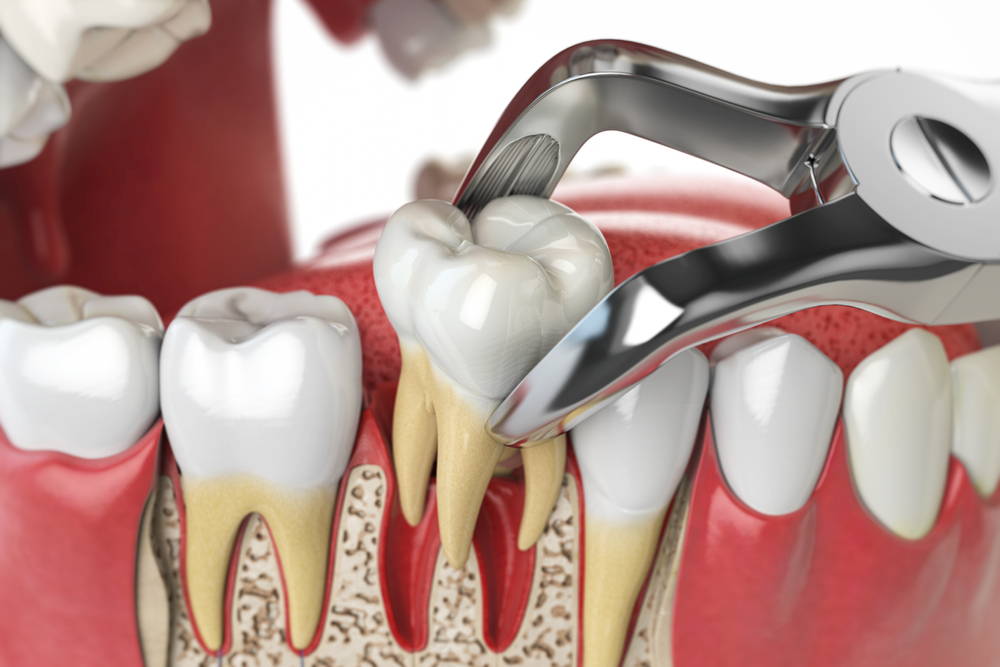
The healing process after a tooth extraction varies from person to person but typically follows a general timeline.
Immediately after the procedure, you may experience pain and swelling, which usually peak within the first 48 hours. Pain generally begins to subside significantly within three to five days as the initial inflammation decreases and the socket begins to heal. Over-the-counter pain relievers can help manage discomfort during this time.
As for the socket, it generally takes about one to two weeks for the gum tissue to close over the extraction site enough for you to eat and drink normally. By the end of the first week, you might find that you can resume a more varied diet, but be cautious about chewing near the extraction site, and avoid sharp, crumbly or crunchy foods like crisps if your gum is still sensitive.
Complete healing of the gum tissue can take several weeks, typically around three to four weeks. However, the bone underneath the gum may take a few months to fully heal, which is important if you’re considering future dental work, such as implants.
During the healing process, it’s vital to follow your dentist’s aftercare instructions to prevent disrupting the blood clot. By taking these precautions and allowing your body adequate time to heal, you can promote a smoother recovery and reduce the risk of complications. Always consult your dentist if you have concerns about your healing progress or experience unusual symptoms.

Monitoring the healing process of your gums after a tooth extraction is crucial to ensure proper recovery. Generally, healthy healing is indicated by a gradual reduction in pain and swelling over the following week, but you can also look in a mirror at the socket to see that the blood clot is shrinking.
Key signs of proper healing include:
However, if you experience adverse symptoms or are unsure if your gum is healing well, you should return to your dentist for further treatment. Such symptoms include:
If you experience any of these warning signs, it’s essential to contact your dentist promptly for an evaluation and appropriate care, as they may all signal that you are developing an infection that needs to be treated right away to prevent further issues with the surrounding teeth.
The specialists at the Eye and Dental Clinic can help with any of your dental woes, from cosmetic dentistry like veneers and teeth whitening to routine check-ups. Book an appointment today, or take a look at our emergency treatments if you need urgent help.
Contact us for more information, or read more information about our dental services, including:
You can also find out more about our clinic by reading our:


Discover how our advanced eye and dental treatments have helped patients see clearly, smile confidently, and live better with personalised care, comfort, and lasting results.
View More













Hemlata T
Had a deep clean today with Alla and Rachel, which was great, they were very gentle and even fixed a stubborn stain between my teeth, which they noticed during the...

Abs
Great service all around. Dr Uddin was knowledgeable, kind and put me at ease when having a chalazion removed. He helped me a lot with follow-up care for blepharitis, taking...
Amanda K
If I could give more than 5 stars for Mr J Uddin, I would. The reception staff were really polite and helpful. I had my chalazion removal surgery 2 months...
Nicole
Very satisfying. Dr J. Uddin removed a cyst on my upper lid. He explained everything to me before and during the procedure, and he has a very calming appearance. The...
Hemlata T
Had a deep clean today with Alla and Rachel, which was great, they were very gentle and even fixed a stubborn stain between my teeth, which they noticed during the...
Abs
Great service all around. Dr Uddin was knowledgeable, kind and put me at ease when having a chalazion removed. He helped me a lot with follow-up care for blepharitis, taking...
Amanda K
If I could give more than 5 stars for Mr J Uddin, I would. The reception staff were really polite and helpful. I had my chalazion removal surgery 2 months...
Nicole
Very satisfying. Dr J. Uddin removed a cyst on my upper lid. He explained everything to me before and during the procedure, and he has a very calming appearance. The...