
 01 Oct 2024
Regular dental visits are key to maintaining good oral health. But how often should you see your dentist? We’ll explore the recommended frequency of check-ups, why preventative care is crucial for long-term dental health and what dental treatments are available to you.
Visiting the dentist regularly is vital to maintaining good oral health. Rather than waiting until you experience pain or other symptoms, it’s recommended to have regular dental check-ups. Most dentists advise scheduling visits every six months, though this may vary depending on your individual dental health. These routine visits allow your dentist to detect early signs of problems like tooth decay, gum disease, and oral cancer, which can often develop without noticeable symptoms.
Delaying dental visits until pain arises can lead to more severe conditions that may require extensive treatment. By visiting the dentist regularly, you can prevent minor issues from becoming major dental problems. Routine cleanings, fluoride treatments, and exams ensure your teeth and gums remain healthy, reducing the need for invasive procedures in the future.
Some people may need to visit the dentist more frequently, such as every 3 to 4 months, if they have pre-existing or recurrent dental health problems. Smokers and those with diabetes also tend to experience more dental issues and should schedule more regular visits to monitor their oral health.
It’s important not to wait until you experience any symptoms of dental issues before going to your dentist or treating your dental health seriously.
Common symptoms of dental issues include:
Even if you’re not experiencing these symptoms, maintaining a routine schedule with your dentist can help ensure long-term dental health and catch potential issues early.
Some people may also experience swollen cheeks, headaches and eye pain due to dental issues, so don’t neglect any of these symptoms and get dental treatment immediately.
You should seek emergency dental care if you experience sudden and severe pain or any symptoms of a dental condition that don’t go away after a couple of days or by taking painkillers.
You should only go to A&E if you also experience:
Emergency dental treatment can be accessed through both NHS and private services.
You can contact NHS 111 to find a local emergency dentist or call your local dentist if you have one. Costs for emergency NHS treatment are typically capped at Band 1 rates, covering an emergency consultation and necessary treatment to alleviate pain or stabilise the issue, but you will need to pay extra for any further treatment necessary.
However, accessing NHS emergency dental care can sometimes involve long waits due to high demand. If you need immediate attention, going private will likely offer a more timely appointment as private dental practices typically have more flexible availability for both routine and emergency treatments.
While private treatment costs can be significantly higher, the benefit is prompt care, reducing the risk of a dental issue worsening while waiting for an NHS appointment.
You should seek emergency dental treatment if you have severe pain, infections, facial swelling, or broken teeth. For minor concerns like mild toothaches or loose fillings, a routine dental appointment may suffice, and a dental receptionist or 111 call handler can advise.

You should generally see a dentist for a check-up every six months. Regular visits help maintain oral health by detecting issues before they develop into more significant problems like cavities, gum disease, or oral cancer. During these appointments, your dentist can assess the condition of your teeth and gums, provide professional cleaning, and recommend further treatment if necessary.
However, the frequency of visits may vary depending on individual needs. If you have a history of dental issues, such as gum disease or frequent cavities, your dentist may recommend more frequent check-ups, perhaps every three to four months. Similarly, if you’ve recently undergone dental treatment that requires aftercare, like fillings, crowns, or dental implants, your dentist will likely schedule follow-up visits to monitor healing and ensure the treatment has been successful.
Preventative dental care is another reason for more frequent check-ups. People prone to plaque build-up, smokers, or those with certain health conditions, such as diabetes, may need regular assessments to prevent dental issues from worsening.
In addition to seeing your dentist, it’s also important to visit a dental hygienist.
A dental hygienist is a licensed oral health professional focused on preventative care. Their primary role is to clean teeth, remove plaque and tartar, and educate patients on proper oral hygiene practices. They also conduct assessments of oral health and may take X-rays, but they do not perform dental surgeries or diagnose conditions – that’s the dentist’s responsibility.
While dentists provide comprehensive dental care, including diagnosing and treating dental issues, hygienists specialise in prevention and maintenance.
It’s generally recommended to see a dental hygienist every six months, coinciding with routine dental check-ups. However, individuals with specific dental concerns, high plaque buildup, or gum disease may benefit from more frequent visits. Like dental check-ups, regular appointments with a dental hygienist are essential for maintaining optimal oral health and preventing dental problems.
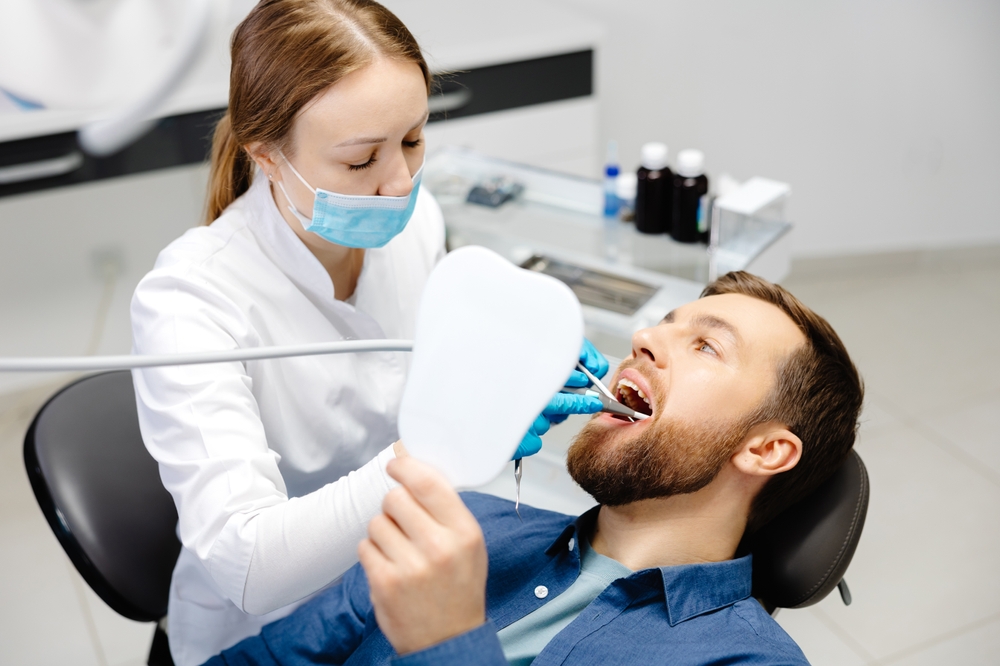
Having the necessary dental treatment is an essential aspect of maintaining oral health. Knowing when you need dental treatment can often stem from experiencing symptoms such as persistent tooth pain, sensitivity, bleeding gums, or visible signs of decay. If you notice these issues, it’s crucial to consult a dentist promptly, but regular check-ups are better to help catch problems before they escalate.
Common dental procedures include:
Fillings are necessary for repairing cavities caused by tooth decay, restoring the tooth’s structure with materials like composite resin or amalgam to prevent further issues.
Dental implants offer a permanent solution for missing teeth, involving the insertion of a titanium post into the jawbone to support a crown, mimicking natural teeth and preventing bone loss.
Dentures are suitable for individuals who have lost multiple teeth, providing a removable option that restores function and aesthetics. They can be complete or partial, helping improve chewing, speech, and appearance, requiring regular adjustments for comfort and effectiveness.
Although some dental treatments can be expensive, it’s important to emphasise that dental treatment should never be attempted at home. DIY dental procedures can lead to severe complications, infections, or permanent damage to your teeth and gums. Only qualified dental professionals possess the necessary skills and tools to perform treatments safely and effectively.
Additionally, while some may consider travelling abroad for cheaper dental work, such as in countries like Turkey, dental regulations and standards can vary significantly from country to country, and opting for local treatment ensures you receive care that meets the rigorous standards of the UK healthcare system. Investing in dental care at home not only ensures safety but also facilitates follow-up care and communication with your dental team.
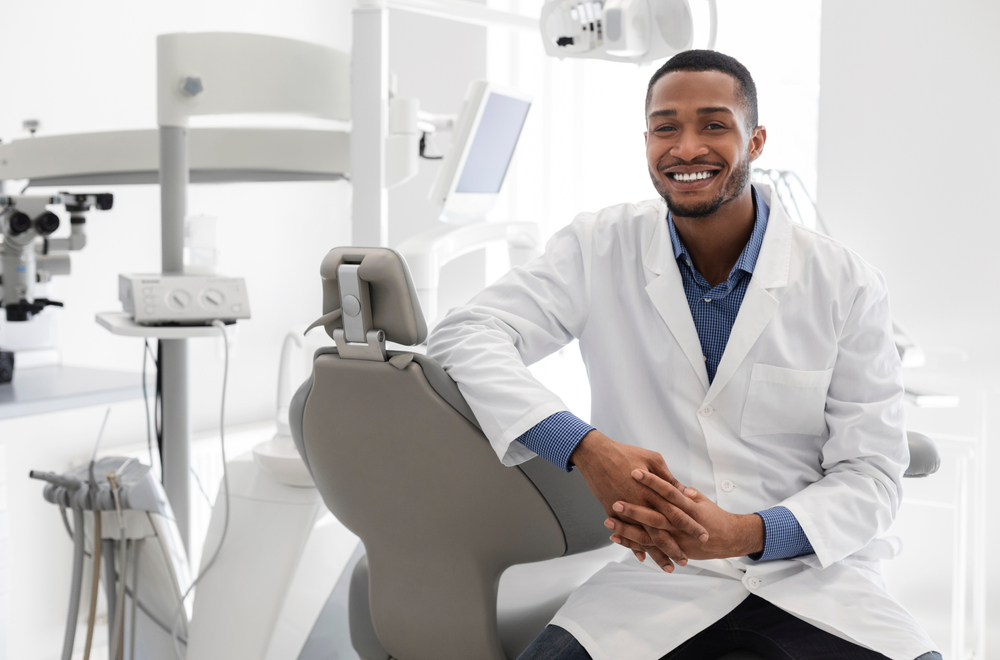
When considering cosmetic dental treatments, it’s important to discuss your options with your dentist to ensure they align with your goals and oral health. Treatments like teeth whitening are purely aesthetic, brightening discoloured teeth, and are ideal for those seeking a more radiant smile.
Veneers and composite bonding, on the other hand, can correct chipped, uneven, or discoloured teeth, offering both aesthetic improvements and, in some cases, functional benefits by strengthening tooth structure. Invisalign is another popular dental treatment, used for straightening teeth, which can improve both appearance and bite alignment, enhancing functionality.
Before getting cosmetic work done, ask your dentist about the longevity of treatments, maintenance, and any potential risks. For example, veneers are permanent, and teeth whitening may require upkeep. Additionally, your dentist will evaluate your oral health to ensure you’re a good candidate for these procedures, as existing issues like gum disease should be addressed first.
Book your appointment with experts at the Eye and Dental Clinic today, or find out more about our practice below:


Discover how our advanced eye and dental treatments have helped patients see clearly, smile confidently, and live better with personalised care, comfort, and lasting results.
View More















Hemlata T
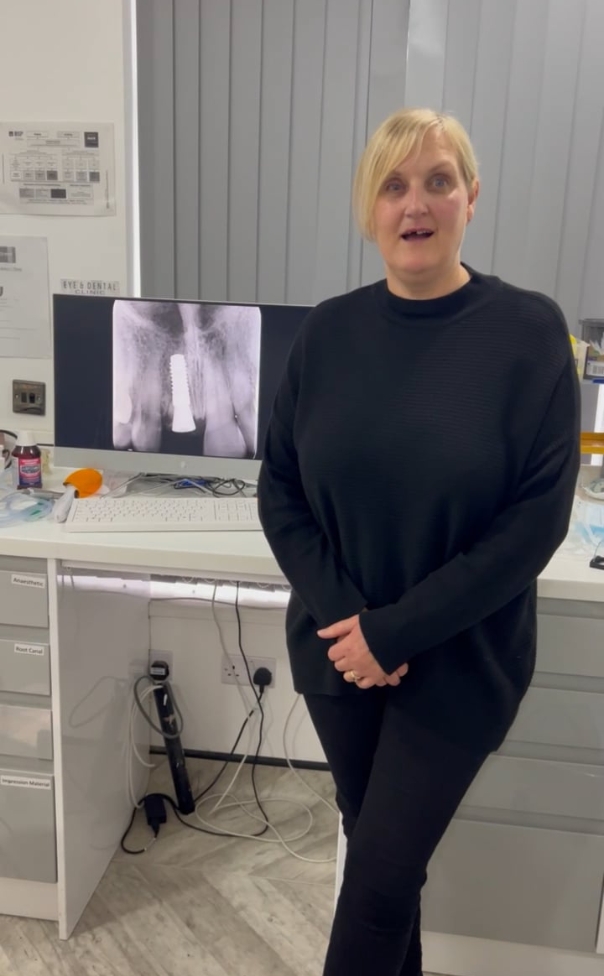
Had a deep clean today with Alla and Rachel, which was great, they were very gentle and even fixed a stubborn stain between my teeth, which they noticed during the...

Abs
Great service all around. Dr Uddin was knowledgeable, kind and put me at ease when having a chalazion removed. He helped me a lot with follow-up care for blepharitis, taking...
Amanda K
If I could give more than 5 stars for Mr J Uddin, I would. The reception staff were really polite and helpful. I had my chalazion removal surgery 2 months...
Nicole
Very satisfying. Dr J. Uddin removed a cyst on my upper lid. He explained everything to me before and during the procedure, and he has a very calming appearance. The...
Hemlata T
Had a deep clean today with Alla and Rachel, which was great, they were very gentle and even fixed a stubborn stain between my teeth, which they noticed during the...
Abs
Great service all around. Dr Uddin was knowledgeable, kind and put me at ease when having a chalazion removed. He helped me a lot with follow-up care for blepharitis, taking...
Amanda K
If I could give more than 5 stars for Mr J Uddin, I would. The reception staff were really polite and helpful. I had my chalazion removal surgery 2 months...
Nicole
Very satisfying. Dr J. Uddin removed a cyst on my upper lid. He explained everything to me before and during the procedure, and he has a very calming appearance. The...