


 25 Nov 2024
We’ll look at how to minimise pain from a tooth extraction and when to get more help.
Tooth extractions are generally painless during the procedure itself, thanks to the use of local anaesthetics that numb the area. However, once the anaesthetic wears off, the level of discomfort can vary depending on the tooth removed and the complexity of the extraction. Over-the-counter painkillers such as ibuprofen are typically recommended to manage pain and swelling afterwards.
Molars, especially wisdom teeth, are often considered the most painful teeth to have removed. These teeth are larger and deeply rooted in the jawbone, which can make their extraction more invasive and thus more painful. Impacted wisdom teeth, meaning those trapped under the gum or growing at an angle, often require surgical intervention, further increasing post-procedure discomfort, as the gums and jawbone around these teeth may experience swelling and soreness for several days.
Premolars and canines, though smaller, can also lead to notable discomfort, especially if their roots are long or curved. Front teeth (incisors) are generally the least painful to remove because they have single, straight roots and are easier to access.
The severity of post-extraction pain also depends on individual pain tolerance, whether there is an infection or not, and the aftercare routine. After your procedure, your dentist will provide guidance on proper oral hygiene, cold compresses, and medications to alleviate discomfort.
Most patients find that the pain subsides significantly within a few days, allowing them to return to normal activities, but you’ll need to be careful about what you eat and drink after the procedure, as well as when to consume alcohol or begin smoking again, to have a smooth recovery.
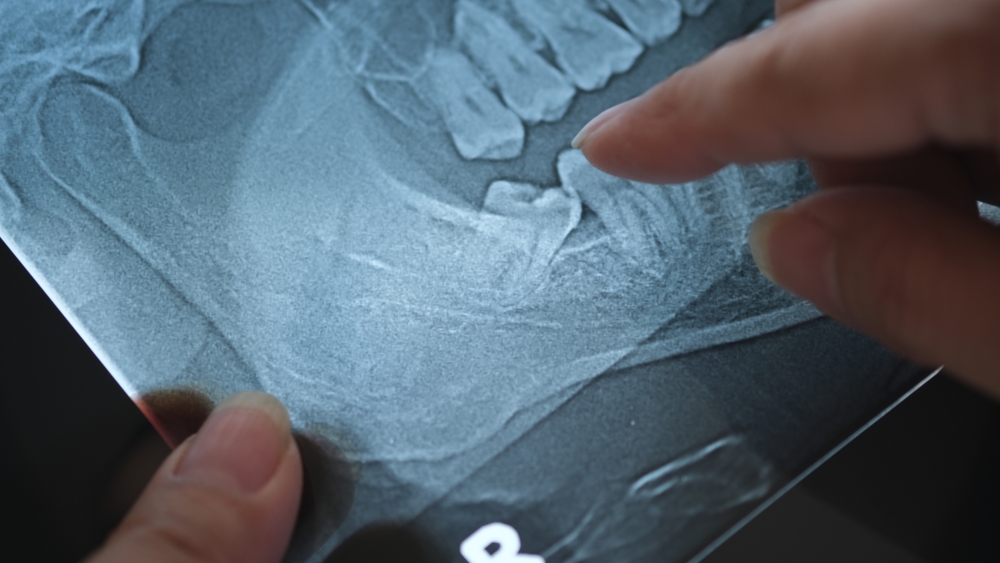
A tooth extraction is typically not painful during the procedure itself, thanks to the use of local anaesthetics that effectively numb the area. Patients often report feeling pressure on their teeth and jaw, but no real pain during the extraction. But for complex extractions, such as impacted wisdom teeth or for people with severe anxiety, sedation or general anaesthetics may also be used to ensure a more comfortable experience.
Any pain from the tooth extraction will begin once the anaesthetic wears off, usually a few hours after the procedure, as the procedure can be invasive and affect your tissue and nerves.
The level of pain varies depending on the type of tooth removed and the complexity of the extraction. Simple extractions, such as removing a loose front tooth, tend to cause minimal discomfort, while removing molars or impacted wisdom teeth can result in more significant soreness, due to larger teeth often having deeper roots and potentially requiring more invasive techniques, such as cutting into the gum or bone to remove the tooth.
Post-extraction pain is typically manageable with over-the-counter painkillers like ibuprofen, which also help reduce swelling. The first 24-48 hours are usually the most uncomfortable, but the pain generally subsides within a few days. Some people may also experience a dull ache in the jaw or slight swelling.
For most patients, the discomfort is temporary and outweighed by the long-term benefits of resolving dental issues that are often painful, necessitating the extraction.
Pain after a tooth extraction typically lasts for 1-3 days, with the first 24-48 hours being the most uncomfortable. For more complex extractions, such as impacted wisdom teeth, mild discomfort may persist for up to a week.
Applying a cold compress to the outside of your cheek during the first 24 hours can also help minimise swelling alongside ibuprofen. Dentists recommend avoiding the following, which can disrupt healing and increase pain:
Maintaining good oral hygiene is also essential for a smooth recovery with diminishing pain each day.
If pain lasts longer than 3-7 days after a tooth extraction or worsens over time, it could indicate a complication, such as dry socket or an infection. In such cases, you should contact your dentist immediately for an emergency appointment, as you may require further treatment.
Dry socket occurs when the blood clot protecting the extraction site dislodges or dissolves, exposing the bone and nerves. This condition causes severe, throbbing pain that can radiate to other areas of the face. Dentists typically treat dry sockets by cleaning the area and applying a medicated dressing to relieve pain and promote healing.
Antibiotics and professional cleaning are often required to address infections, so go back to your dentist if you have any of the following symptoms:
To avoid prolonged pain, follow all aftercare instructions carefully, including gentle cleaning, avoiding smoking, and steering clear of vigorous rinsing or suction that could disturb the clot. Early intervention ensures faster healing and relief.

Reducing pain after a tooth extraction involves a combination of proper care, medication, and lifestyle adjustments. Immediately after the procedure, bite down on a piece of gauze for 30-45 minutes to help stop the bleeding and encourage a blood clot to form, which is essential to protect the area from bacteria and encourage healing. If bleeding persists, replace the gauze and continue to apply pressure.
Painkillers and ice packs are also great to relieve pain as well as reducing swelling. Just make sure you wrap any cold packs well to prevent burning your skin, and only hold the pack to your face for 10-15 minutes at a time, as your jawbone will be sensitive to the cold.
The healing process generally takes 1-2 weeks, so be careful of the area where the tooth was removed. During this time, stick to soft, cool foods such as soup, mashed potatoes, scrambled eggs and smoothies. Avoid hot, spicy, or crunchy foods that may irritate the extraction site or dislodge the blood clot.
You must also avoid alcohol for at least 5 days after the tooth extraction, as it can interfere with blood clot formation, increase bleeding risk, and slow down healing. Smoking should also be avoided, as it can lead to dry socket.
Maintaining good oral hygiene by gently rinsing with warm salt water after 24 hours will keep the area clean and promote recovery, but make sure you don’t vigorously spit; gently release the salt water from your mouth to avoid disturbing the blood clot.
The level of pain experienced during dental procedures varies based on the procedure, the patient’s pain tolerance, and whether anaesthesia is used.
Tooth extractions, particularly for impacted wisdom teeth, can cause significant discomfort and are often considered the most painful dental procedure, as the post-operative swelling, bleeding, and soreness can be intense for several days.
Dental implants involve drilling into the jawbone to place a titanium post, so while the surgery itself is generally painless under anaesthesia, recovery can be uncomfortable due to swelling, bruising, and soreness in the jaw for 3-5 days afterwards.
Root canals are often considered one of the most painful procedures; however, the pain from the abscess that requires removal is usually much worse than the pain following the procedure. Any discomfort typically stems from inflammation after the procedure, which can easily be relieved
Cosmetic treatments like teeth whitening are usually not painful at all, but can cause heightened tooth sensitivity due to bleaching agents irritating the enamel. However, this discomfort is temporary and less severe than surgical procedures.
Other painful procedures include periodontal surgeries for gum disease and orthodontic adjustments for braces, which can cause lingering soreness.
Ultimately, tooth extractions and dental implants are often considered the most painful due to the invasive nature of these procedures and their recovery. However, advancements in dental care and the use of anaesthetics have significantly mitigated pain for most treatments.
The specialists at the Eye and Dental Clinic can help with any of your dental woes, from cosmetic dentistry like veneers to routine check-ups. Book an appointment today, contact us for more information, or read more information about our dental services, including:
You can also find out more about our clinic by reading our:


Discover how our advanced eye and dental treatments have helped patients see clearly, smile confidently, and live better with personalised care, comfort, and lasting results.
View More















Hemlata T
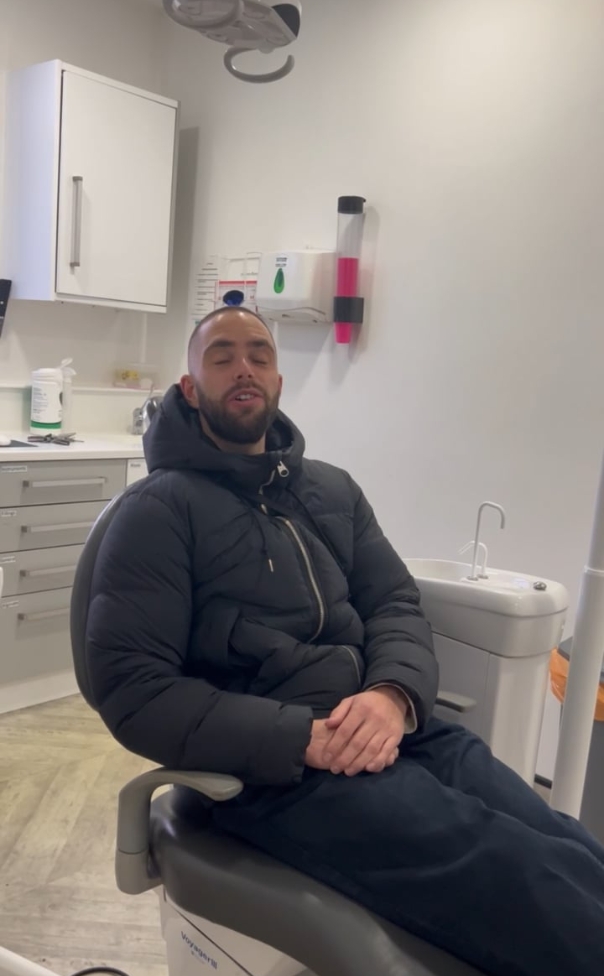
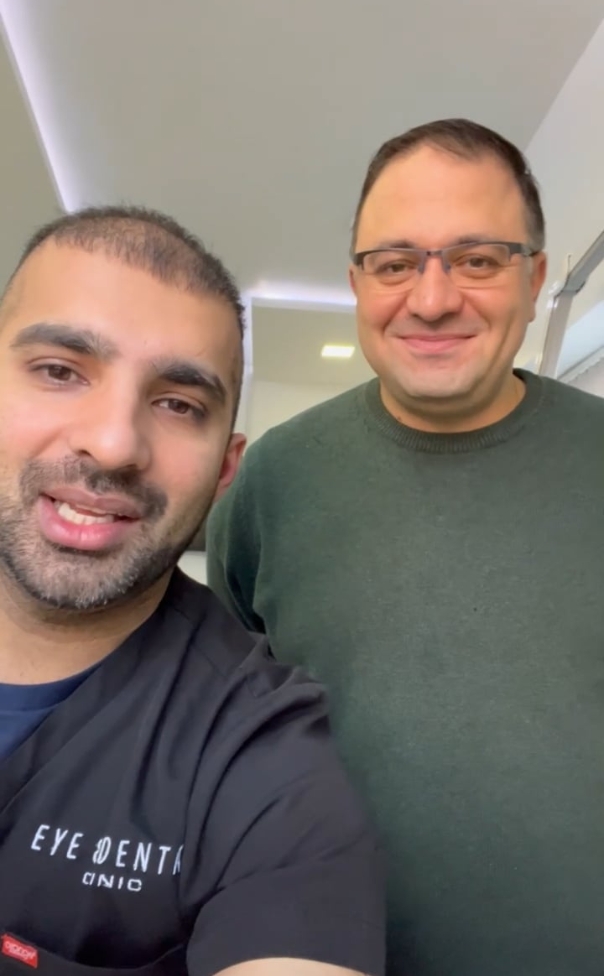
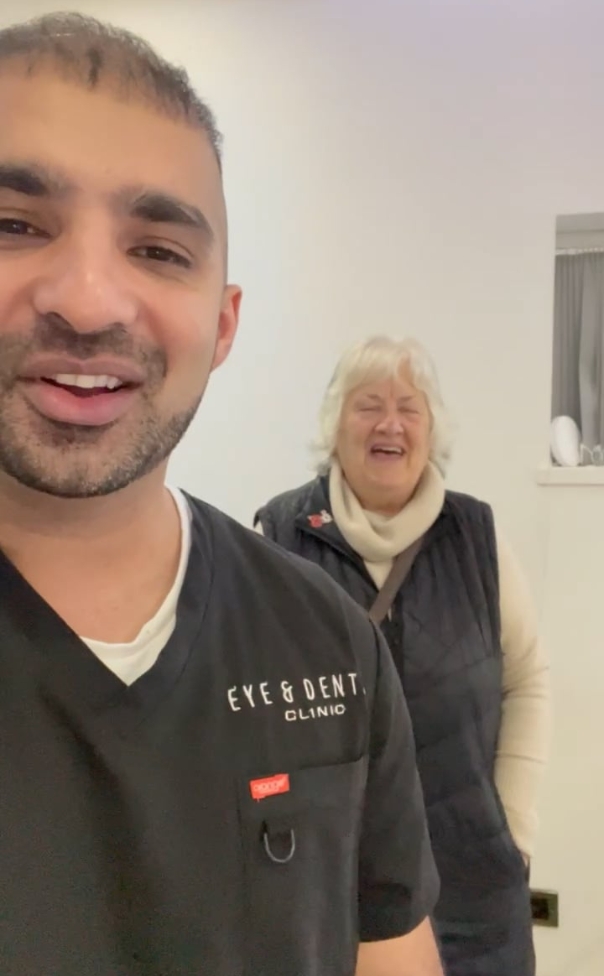
Had a deep clean today with Alla and Rachel, which was great, they were very gentle and even fixed a stubborn stain between my teeth, which they noticed during the...

Abs
Great service all around. Dr Uddin was knowledgeable, kind and put me at ease when having a chalazion removed. He helped me a lot with follow-up care for blepharitis, taking...
Amanda K
If I could give more than 5 stars for Mr J Uddin, I would. The reception staff were really polite and helpful. I had my chalazion removal surgery 2 months...
Nicole
Very satisfying. Dr J. Uddin removed a cyst on my upper lid. He explained everything to me before and during the procedure, and he has a very calming appearance. The...
Hemlata T
Had a deep clean today with Alla and Rachel, which was great, they were very gentle and even fixed a stubborn stain between my teeth, which they noticed during the...
Abs
Great service all around. Dr Uddin was knowledgeable, kind and put me at ease when having a chalazion removed. He helped me a lot with follow-up care for blepharitis, taking...
Amanda K
If I could give more than 5 stars for Mr J Uddin, I would. The reception staff were really polite and helpful. I had my chalazion removal surgery 2 months...
Nicole
Very satisfying. Dr J. Uddin removed a cyst on my upper lid. He explained everything to me before and during the procedure, and he has a very calming appearance. The...