
 30 Aug 2024
They may not be your real teeth, but it’s still important to keep your dentures clean and in good condition. Here are our top tips to do so.
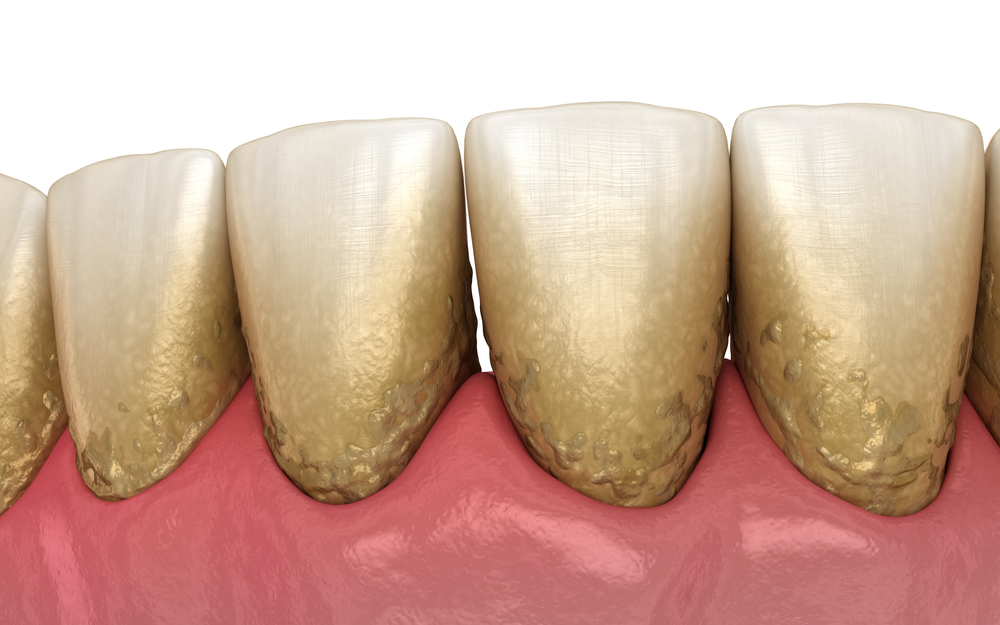
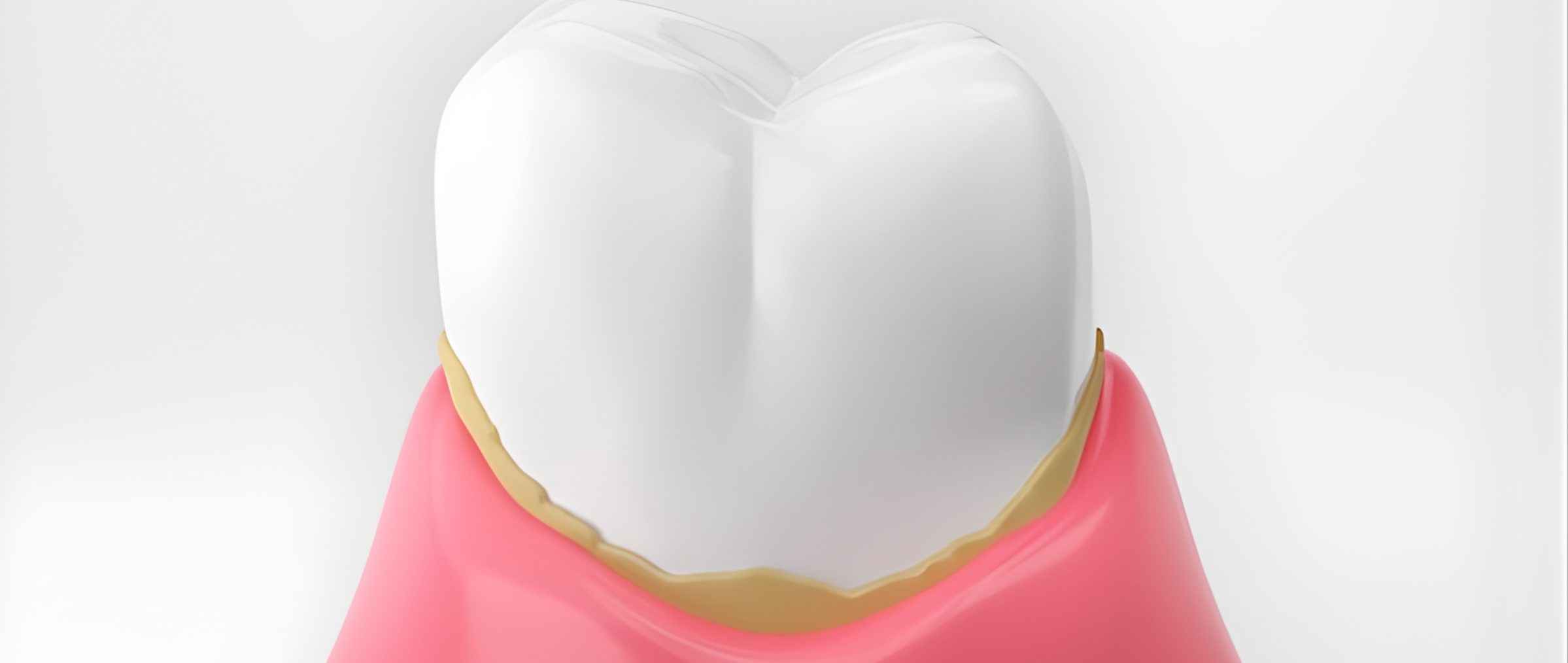
Tartar, also known as dental calculus, is a hard, yellowish or brownish deposit that forms on teeth due to the mineralisation of plaque. Plaque is a soft, sticky film of bacteria that accumulates on teeth and, if not removed through regular brushing and flossing, can harden into tartar within 24 to 72 hours. Tartar can lead to gum disease, cavities, and bad breath, and it can be difficult to remove without professional dental tools.
To prevent tartar buildup, maintaining a consistent and thorough oral hygiene routine is crucial. Brush your teeth at least twice a day with fluoride toothpaste, making sure to use a toothbrush with soft bristles. Floss daily to remove plaque from between your teeth and along the gum line where your toothbrush can’t reach. Regular use of an antimicrobial mouthwash, or even saltwater, can also help reduce plaque formation and maintain oral health.
Diet plays a role in oral health, but it’s not the only factor. While reducing sugary and acidic foods can help decrease plaque formation, good brushing and flossing habits are more effective in preventing tartar buildup. Regular dental check-ups are essential for professional cleanings and to address any tartar that has already formed, as it’s natural to exhibit a certain amount over time.
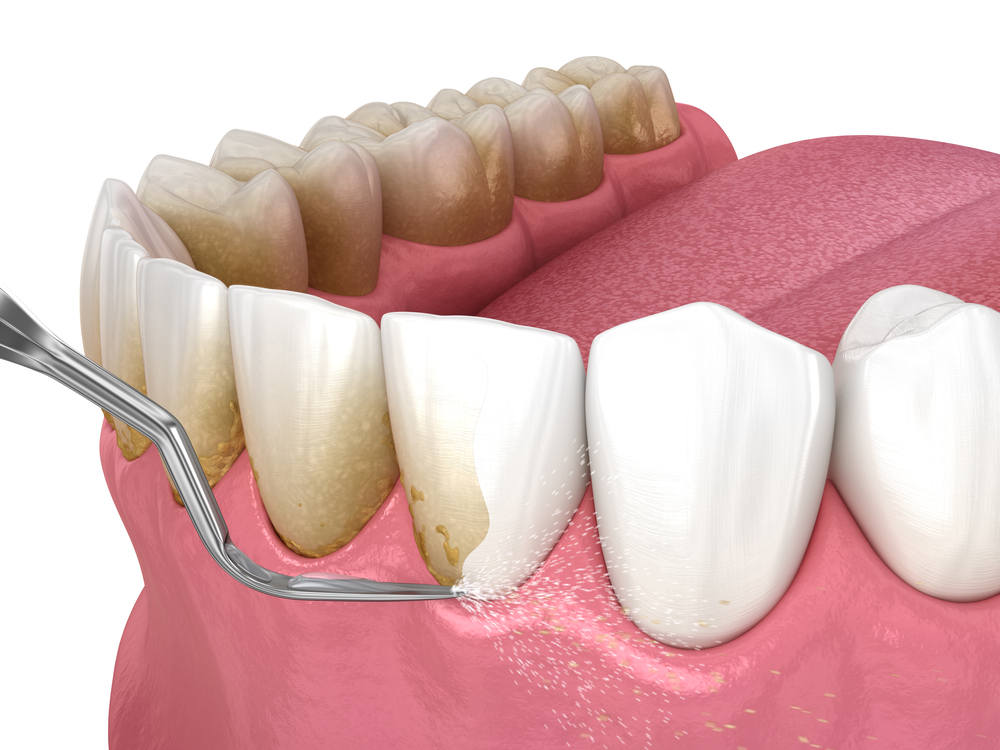
Removing tartar from dentures instantly can be challenging, as tartar is a hardened form of plaque that adheres tightly to the surface of the dentures. While the most effective way to remove tartar is through a professional dental cleaning, there are some home methods you can try to manage and minimise tartar buildup, including:
It’s crucial that you thoroughly rinse your dentures in water after trying each of these cleaning techniques to reduce irritation in your mouth from the cleaning products.
While these home remedies may be moderately effective, for a more thorough clean, visit your dentist. Dentists use ultrasonic cleaners and specialised tools to remove tartar from dentures without damaging them. This method is the safest and most efficient, especially for hard-to-remove or extensive tartar buildup.
To minimise future tartar buildup, maintain a strict oral hygiene routine, including daily brushing, soaking, and rinsing of your dentures, as well as regular dental check-ups.
For your own comfort and oral hygiene, as well as the appearance of your dentures, it’s important that you look after your dentures well. That means cleaning them well and maintaining them to keep them free from damage. Here are some essential denture care tips.
Cleaning your dentures daily is crucial for maintaining oral health and ensuring your dentures remain comfortable and long-lasting.
You should immediately rinse your dentures with water after eating to remove food particles and reduce plaque buildup.
When brushing your teeth at the beginning and end of the day, always use a soft denture brush and a non-abrasive cleaner specifically designed for dentures. Gently brush all surfaces to eliminate plaque and prevent staining. Regular toothpaste can be too harsh and damage the denture material.
Keeping them clean will prevent bacteria from growing on your dentures, reducing the risk of gum disease and infections, as well as reducing irritation and preventing sores in your mouth.
By incorporating these cleaning habits into your daily routine, you ensure optimal oral hygiene, enhance the appearance of your dentures, and promote overall mouth health.
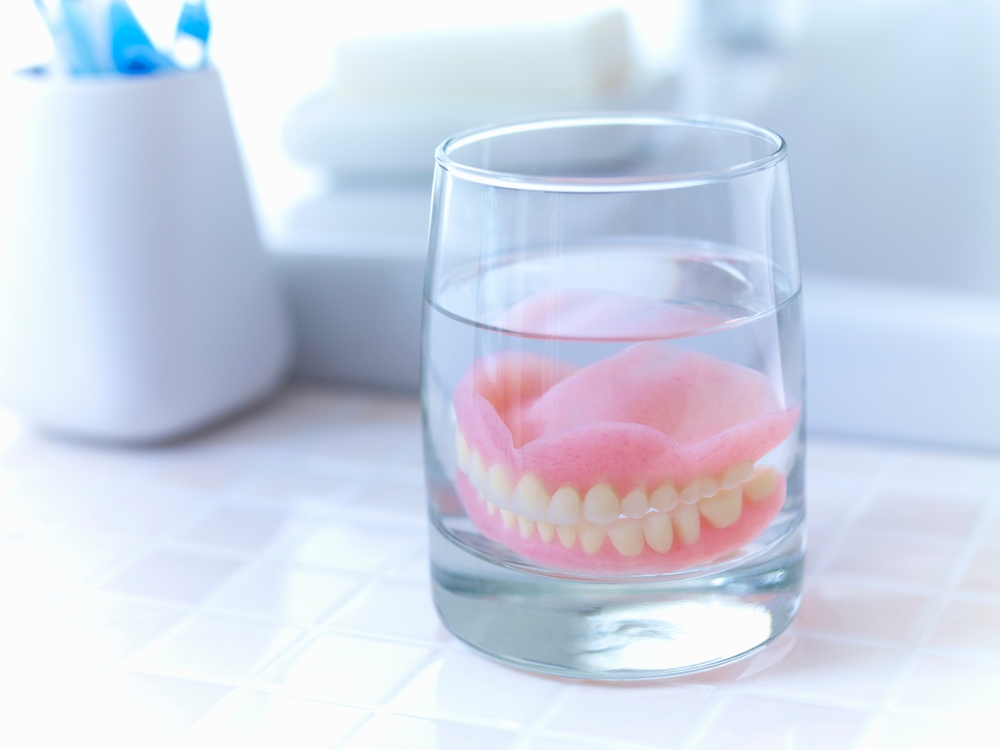
Soaking your dentures overnight is essential for maintaining their shape, cleanliness, and longevity. Place your dentures in a glass of water or a denture-cleaning solution before bed. This prevents them from drying out, which can cause warping or cracking.
Soaking also helps loosen plaque, food particles, and stains, making them easier to clean in the morning. Additionally, many denture-soaking solutions have antimicrobial properties, reducing bacteria that cause bad breath and gum infections. Overnight soaking ensures your dentures stay in good condition and fit comfortably, promoting better oral health.
Even with dentures, regular dental check-ups are essential for maintaining your oral health and the longevity of your dentures. During these visits, your dentist can monitor the fit of your dentures, ensuring they remain comfortable and effective. Over time, your gums and jawbone can change shape, potentially causing your dentures to become loose, leading to discomfort, sores, or difficulty eating and speaking.
Your dentist can also check for signs of oral issues, such as gum disease, infections, or oral cancer, which can occur even without natural teeth. Professional cleanings remove any tartar or stains that might have built up on your dentures, keeping them in top condition.
It’s unlikely that your dentures will ever require emergency dental treatment, but staying on top of your oral hygiene and arranging regular check-ups will help prevent any emergency care from being needed.
However, if your dentures are causing severe pain or sores in your mouth, you may need to see a dentist in an emergency to understand the issue and resolve it, as your dentures may be causing an allergic reaction or require urgent restructuring if they’re ill-fitting.
In rare cases, a piece of a broken denture can become a choking hazard, especially if it’s sharp or loose in your mouth, so you should see your dentist as soon as possible to have this fixed and receive advice and any necessary treatment. You cannot go to A&E; however, you can call NHS 111 for help if you don’t have a regular dentist.
If you’ve lost your teeth, there are several alternatives to traditional dentures that can restore your smile and oral function. Some of the best options include:
Dental implants are a popular and durable solution. They involve surgically placing a titanium post into the jawbone, which acts as a root for a replacement tooth, so a crown can then be attached to the post. Implants provide a stable, permanent solution that mimics natural teeth in function and appearance, and they help prevent bone loss in the jaw.
Dental bridges are made of one or more artificial teeth anchored by crowns on adjacent natural teeth or implants. They are a good option if you’re missing a few teeth in a row. They are less invasive than implants and more stable than removable dentures.
Veneers are thin layers of porcelain or composite resin which are attached to the front of your teeth to improve their appearance and prevent sensitivity. They’re ideal for those who have some natural teeth remaining and want to enhance their smile, but they’re not suitable for replacing missing teeth.
Composite bonding, also known as dental bonding, involves applying a tooth-coloured resin to repair chipped, broken, or discoloured teeth. It’s a non-invasive procedure that improves aesthetics but is not used to replace missing teeth.
Choosing the best alternative depends on factors like the extent of tooth loss, overall oral health, and how much you have to spend, as both NHS and private dental treatments can be expensive. Talk to your dentist to determine the best option for you.
Veneers can be worth it if you’re seeking a significant cosmetic improvement to your smile. They offer a natural, aesthetically pleasing appearance and can correct issues like discolouration, minor misalignment, or chipped teeth.
Veneers are durable and stain-resistant, often lasting 10-15 years with proper care. However, it’s irreversible as the procedure removes some enamel. While more expensive than other cosmetic options like composite bonding, their longevity and superior aesthetics make them a worthwhile investment for many people looking for a long-term solution to enhance their smile.
Ultimately, whether they’re worth it or not depends on how much you want to change your smile, how much you have to spend, and the extent of your tooth damage.
With routine dental appointments available for check-ups, cleanings and cosmetic dentistry, the Eye and Dental Clinic also offers emergency dental care for a reasonable price.
Back to Blog

Discover how our advanced eye and dental treatments have helped patients see clearly, smile confidently, and live better with personalised care, comfort, and lasting results.
View More







Hemlata T
Had a deep clean today with Alla and Rachel, which was great, they were very gentle and even fixed a stubborn stain between my teeth, which they noticed during the...

Abs
Great service all around. Dr Uddin was knowledgeable, kind and put me at ease when having a chalazion removed. He helped me a lot with follow-up care for blepharitis, taking...
Amanda K
If I could give more than 5 stars for Mr J Uddin, I would. The reception staff were really polite and helpful. I had my chalazion removal surgery 2 months...
Nicole
Very satisfying. Dr J. Uddin removed a cyst on my upper lid. He explained everything to me before and during the procedure, and he has a very calming appearance. The...
Hemlata T
Had a deep clean today with Alla and Rachel, which was great, they were very gentle and even fixed a stubborn stain between my teeth, which they noticed during the...
Abs
Great service all around. Dr Uddin was knowledgeable, kind and put me at ease when having a chalazion removed. He helped me a lot with follow-up care for blepharitis, taking...
Amanda K
If I could give more than 5 stars for Mr J Uddin, I would. The reception staff were really polite and helpful. I had my chalazion removal surgery 2 months...
Nicole
Very satisfying. Dr J. Uddin removed a cyst on my upper lid. He explained everything to me before and during the procedure, and he has a very calming appearance. The...