

 06 Sep 2024
Maintaining clean dentures is crucial for oral health and comfort. Proper care not only prevents bacterial build-up and unpleasant breath but also prolongs the lifespan of your dentures.
We’ll take a look at the most effective methods for denture maintenance, as well as the best soaking solutions to use overnight, ensuring your dentures remain hygienic and fresh. Read on to discover how to keep your dentures in optimal condition and enhance your overall dental hygiene.
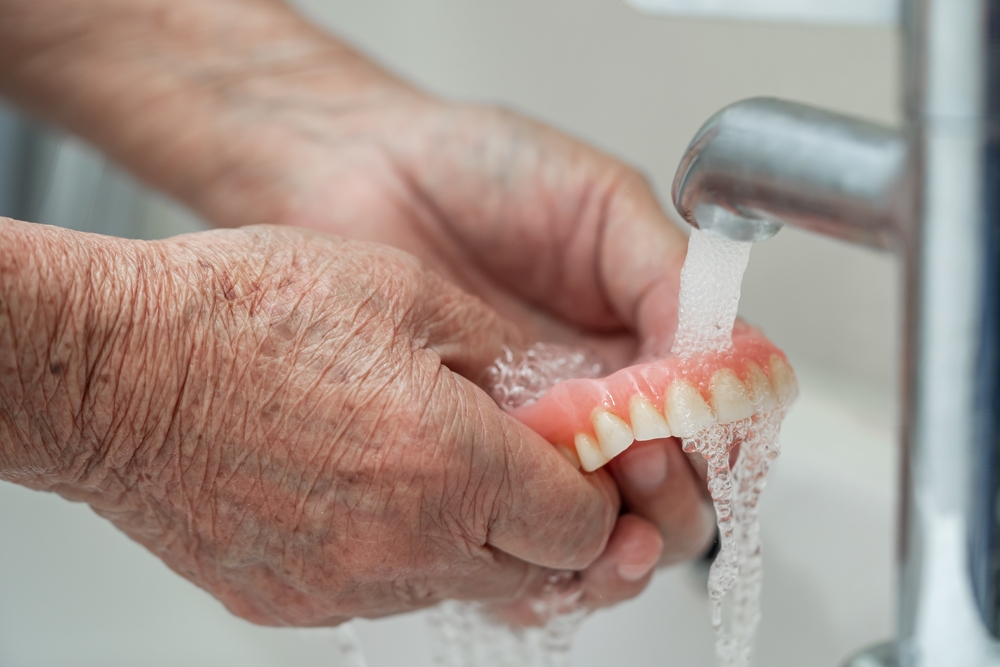
Looking after your dentures is as essential as looking after your teeth. Just because you have dentures doesn’t mean you can neglect your oral hygiene, as bacteria can still thrive in the warm, wet environment of your mouth. Plus, proper denture care is crucial for maintaining oral health and ensuring the longevity of your prosthetics. Here are the basics of taking care of your dentures.
To keep your dentures clean, it is essential to maintain a daily cleaning routine, just as you had (or should have had) a daily teeth cleaning routine.
Start by rinsing your dentures under warm water to remove loose food particles. Then, using a soft-bristle toothbrush or a denture brush, gently brush all surfaces of the dentures with a non-abrasive denture cleanser or mild liquid soap.
Regular toothpaste can be too harsh and scratch your dentures, so it should be avoided. Pay special attention to areas where food particles and plaque tend to accumulate, such as the grooves or spaces between teeth. After brushing, rinse your dentures thoroughly with water to remove any residual cleaning solution.
In addition to cleaning your dentures, it’s important to maintain good oral hygiene. Brush your gums, tongue, and any remaining natural teeth with a soft toothbrush and fluoride toothpaste to remove plaque and prevent bad breath.
Using mouthwash can help keep your mouth fresh and reduce bacteria that could affect your dentures. Opt for an alcohol-free mouthwash, as alcohol can dry out your mouth and damage the denture material over time.
Following this daily routine will help ensure your dentures remain clean, odour-free, and in good condition, promoting overall oral health.
Soaking dentures overnight is an essential part of maintaining their cleanliness and hygiene.
After removing your dentures, place them in a glass or container filled with a denture-soaking solution or plain water. This helps to loosen plaque, food particles, and stains that accumulate throughout the day. The soaking solution also helps disinfect the dentures, reducing bacteria and preventing odour.
Hot water can warp the denture material, so room-temperature water is preferable.
By soaking them overnight, you allow your dentures to stay moist, maintaining their shape and fit while promoting a healthier mouth by keeping them clean and free of harmful bacteria.
Regular dental appointments are crucial for keeping your dentures clean and in good condition. Even with proper at-home care, dentures can accumulate plaque, tartar, and stains that are difficult to remove through daily cleaning alone. A dentist or dental hygienist can perform a professional cleaning to ensure your dentures remain in optimal condition and free from harmful buildup.
Regular check-ups also allow the dentist to inspect your dentures for any signs of wear, damage, or fit issues. Dentures that do not fit properly can cause discomfort, irritation, and even damage to the gums and other oral tissues. Early detection and repair of any cracks, chips, or wear can extend the life of your dentures and maintain their functionality.
Additionally, routine dental visits are vital for monitoring the health of your gums, tongue, and any remaining natural teeth. The dentist can check for signs of infection, gum disease, oral lesions, or other potential issues that may not be immediately apparent to you. Regular exams also provide an opportunity to discuss any discomfort or changes in your mouth or with your dentures.
Your dentist can offer personalised advice on proper denture care, adjustments, and any necessary replacements. This proactive approach helps prevent complications and ensures a comfortable fit, which is essential for effective chewing, speaking, and overall comfort. Regular dental appointments support a comprehensive approach to oral health, combining professional care with good home practices to ensure both your dentures and mouth remain healthy and in good condition.
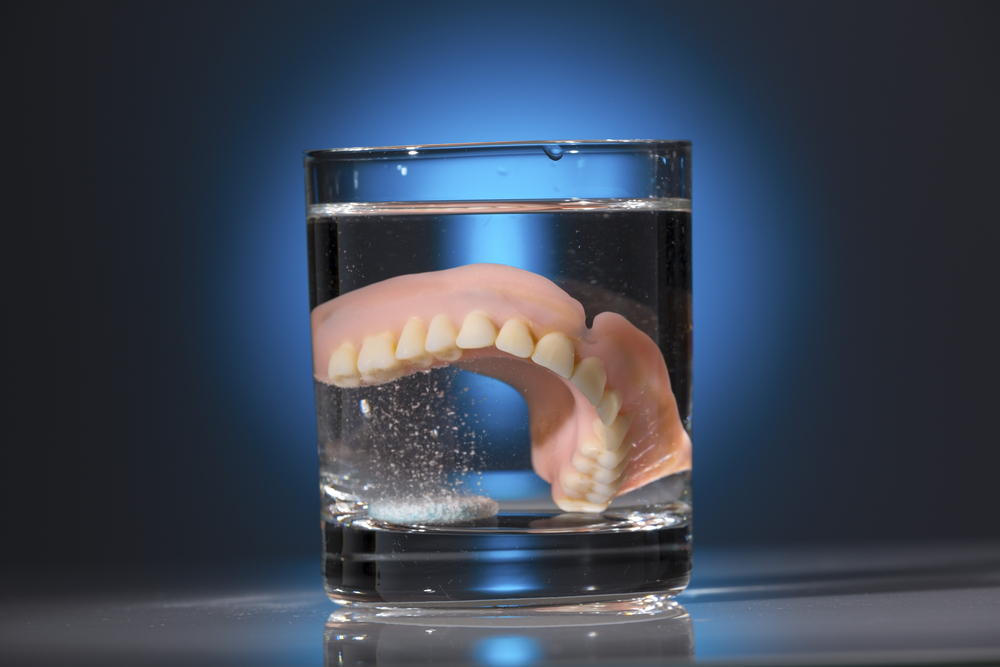
Soaking your dentures overnight is essential for maintaining their cleanliness, longevity, and overall keeping them in good nick. Typically, dentures should be soaked in a denture-cleaning solution or plain water. Here are a few options for soaking:
Denture-cleaning solutions are specially formulated to kill bacteria, remove stains, and prevent plaque buildup. These solutions often contain ingredients that help eliminate odours and keep dentures looking bright.
They also help disinfect the dentures, reducing the risk of oral infections and irritation. Be sure to use a solution recommended by your dentist or that is specifically designed for dentures.
If a denture-cleaning solution is unavailable, soaking dentures in plain water is a safe alternative. Keeping dentures in water prevents them from drying out, which could cause them to warp, lose shape, or become brittle. However, water does not disinfect or clean as effectively as a specialised solution, and cold or room-temperature water is the best option.
Another option is a mixture of equal parts water and white vinegar. Vinegar can help remove stubborn stains and keep the dentures clean. However, this method should not be used daily, as frequent use may cause the dentures to degrade over time.
Dentures are made of materials that need to stay hydrated to prevent warping and cracking. If you don’t soak your dentures, they may dry out, become brittle, or change shape, causing discomfort and a poor fit.
Failure to soak dentures overnight can also lead to a buildup of bacteria, plaque, and food particles, increasing the risk of bad breath, oral infections, and gum irritation. By soaking your dentures every night, you ensure they stay clean, comfortable, and in good working order, promoting overall oral health.
Choosing between dentures and veneers depends on your specific dental needs, goals, and budget.
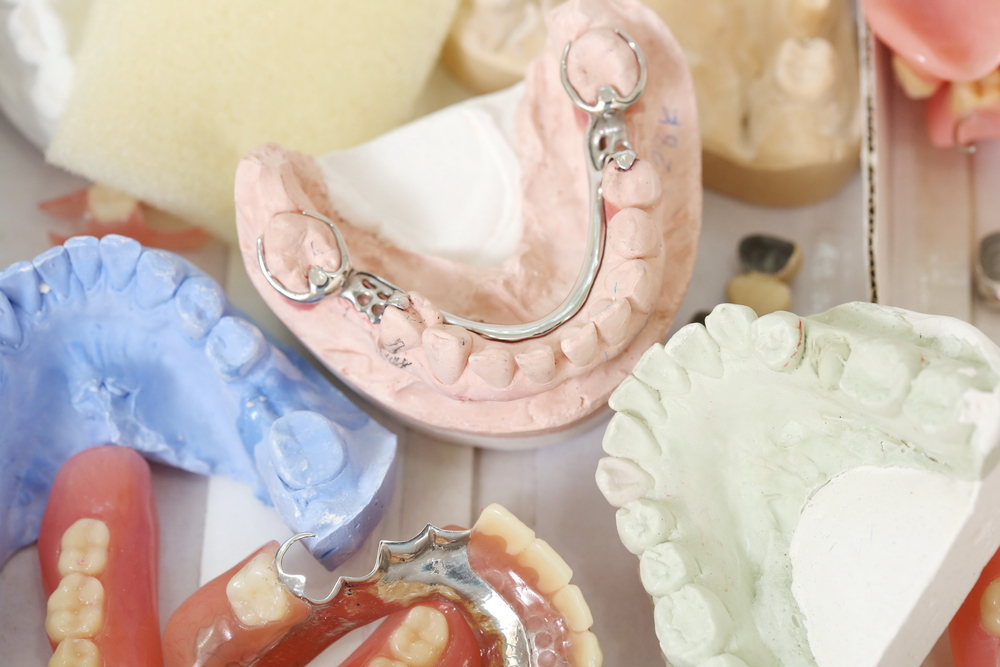
Dentures are removable prosthetic models of your teeth and the roof of your mouth or gums, designed to replace missing teeth. They come in two main types:
Dentures are suitable for individuals who have lost most or all of their teeth due to decay, gum disease, injury, or other issues. They help restore the ability to chew, speak, and provide a natural-looking smile. Dentures are generally more affordable than veneers, but they require proper maintenance and may need replacement or adjustment over time.
Veneers, on the other hand, are thin shells made of porcelain or composite resin that are bonded to the front surface of existing teeth. Veneers are used to enhance the appearance of teeth by correcting issues like discolouration, minor chips, gaps, or slightly crooked teeth.
They are ideal for those looking for a cosmetic improvement without needing major tooth replacement. Veneers provide a natural-looking, durable finish, and with proper care, they can last 10-15 years or longer. However, veneers are more expensive than dentures, and because they require removing a small amount of enamel, they are not reversible.
For those missing several teeth, dentures are the better choice as they provide a comprehensive solution for tooth loss. For patients with healthy teeth who want to improve the appearance of their smile, veneers are the more suitable option.
Composite bonding is an alternative to veneers for cosmetic improvements. It involves applying a tooth-coloured resin to the surface of the teeth to fix minor chips, gaps, or discolouration. Composite bonding is less expensive than veneers but may not last as long.
When choosing between dentures, veneers, or composite bonding, it’s important to consider the dental issue, desired outcome, and budget.
For comprehensive eye and dental care, including emergency dental treatment, visit the Eye and Dental Clinic! With reasonably priced emergency dental care available, the expert team is ready to assess you to see if you need emergency care and help you get an emergency dentist appointment quickly.
Back to Blog

Discover how our advanced eye and dental treatments have helped patients see clearly, smile confidently, and live better with personalised care, comfort, and lasting results.
View More













Hemlata T
Had a deep clean today with Alla and Rachel, which was great, they were very gentle and even fixed a stubborn stain between my teeth, which they noticed during the...

Abs
Great service all around. Dr Uddin was knowledgeable, kind and put me at ease when having a chalazion removed. He helped me a lot with follow-up care for blepharitis, taking...
Amanda K
If I could give more than 5 stars for Mr J Uddin, I would. The reception staff were really polite and helpful. I had my chalazion removal surgery 2 months...
Nicole
Very satisfying. Dr J. Uddin removed a cyst on my upper lid. He explained everything to me before and during the procedure, and he has a very calming appearance. The...
Hemlata T
Had a deep clean today with Alla and Rachel, which was great, they were very gentle and even fixed a stubborn stain between my teeth, which they noticed during the...
Abs
Great service all around. Dr Uddin was knowledgeable, kind and put me at ease when having a chalazion removed. He helped me a lot with follow-up care for blepharitis, taking...
Amanda K
If I could give more than 5 stars for Mr J Uddin, I would. The reception staff were really polite and helpful. I had my chalazion removal surgery 2 months...
Nicole
Very satisfying. Dr J. Uddin removed a cyst on my upper lid. He explained everything to me before and during the procedure, and he has a very calming appearance. The...